AutomotiveAnalysis 133
Best Home EV Chargers 11 kW
An 11 kW wallbox is the default home charger across much of the EU: three phases at 16 A, enough to refill most cars overnight, and in Germany the level at which a wallbox only has to be notified to the grid operator rather than approved. The headline power is identical on every box in this list, so what separates them is mostly invisible on the product photo: how the charger protects against DC fault currents, whether its meter is MID-certified, and how much of this the maker actually publishes.
We compared ten 11 kW three-phase Type 2 wallboxes from nine brands, priced from €379 to €1,129, on the data their makers and a major German specialist retailer publish, and on ADAC tests from 2023 to 2025. Our key metric is whether integrated 6 mA DC fault-current detection is stated – which lets the electrician fit a cheaper Type A RCD instead of a Type B – and whether an MID meter is built in.
The result is uneven. Five of the ten state 6 mA DC detection or an integrated DC sensor in plain terms; three only say “DC protection” without a value; two say nothing at all. Only one maker, go-e, publishes a standby figure.
Methodology note
Desk research carried out in October 2026; no wallbox was installed or tested hands-on. Specifications come from manufacturer pages and datasheets (KEBA, go-e, ABL, Elli, Ohme, Raedian) and, where the manufacturer page would not load (Fronius, Alfen, ChargeLine), from the product pages of The Mobility House, a German specialist retailer; the product links for those three point to that retailer. Prices are The Mobility House prices seen in October 2026 (often reduced from a higher list price), except Elli, where the manufacturer’s “from €759 including shipping” price is used. Independent evidence is limited to ADAC tests published between November 2023 and December 2025; in several cases ADAC tested a predecessor or a sibling model, which we say in each entry. Stiftung Warentest results were not consulted first-hand. We could not open owner-review pages for any of the ten, so the owner-feedback score is held at a neutral level and does not separate the products. Prices exclude installation, the upstream RCD and circuit breaker, cabling and the grid-operator notification, which are typically handled by an electrician and can cost more than the cheaper boxes. The Tesla Wall Connector was left out because it is sold as a 22 kW unit. German rules (§14a EnWG, notification) are described; other countries’ rules were not examined.
 7.6BPR score
Key parameter
Integrated 6 mA DC fault detection and MID meter, as published
Built-in 6 mA DC detection decides whether a cheaper Type A RCD is enough in front of the wallbox, and an MID meter decides whether the kWh reading counts for anyone else. Values come from manufacturer datasheets and pages or, where those would not load, from The Mobility House; where neither states it, we say so.
-
Top score
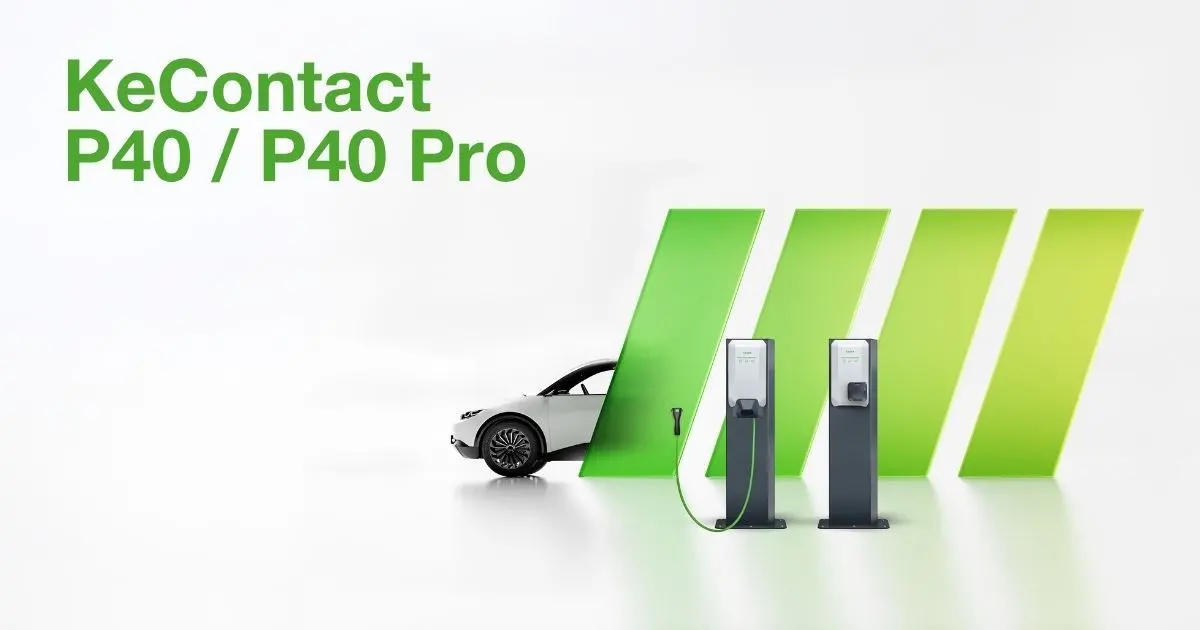
KEBA KeContact P40 (131.736)
- Integrated RCCB Type A plus 6 mA DC detection (RDC-DD); meter not calibrated, MID only in dearer variants — published by KEBAIntegrated 6 mA DC fault detection and MID meter, as published
- €959retail price
Details+
The best-evidenced wallbox here: ADAC graded the P40 1.6 and named it test winner in December 2025, and KEBA builds both the Type A RCCB and the 6 mA DC detection into the box.
- Strengths
- ADAC test winner, grade 1.6 (December 2025)
- RCCB Type A and 6 mA DC detection both integrated
- Built-in 1-/3-phase switching for PV surplus
- OCPP 1.6, Modbus, REST API, LAN, WLAN, Bluetooth
- 6 m tethered cable and RFID
- Weaknesses
- Meter in the 131.736 is not calibrated; MID versions cost €1,010–1,059
- ISO 15118 only optional on the standard P40
- No standby figure on the pages we opened
- Large housing: 221 × 476 × 142 mm, about 6.2 kg
7.6 / 10fair
-
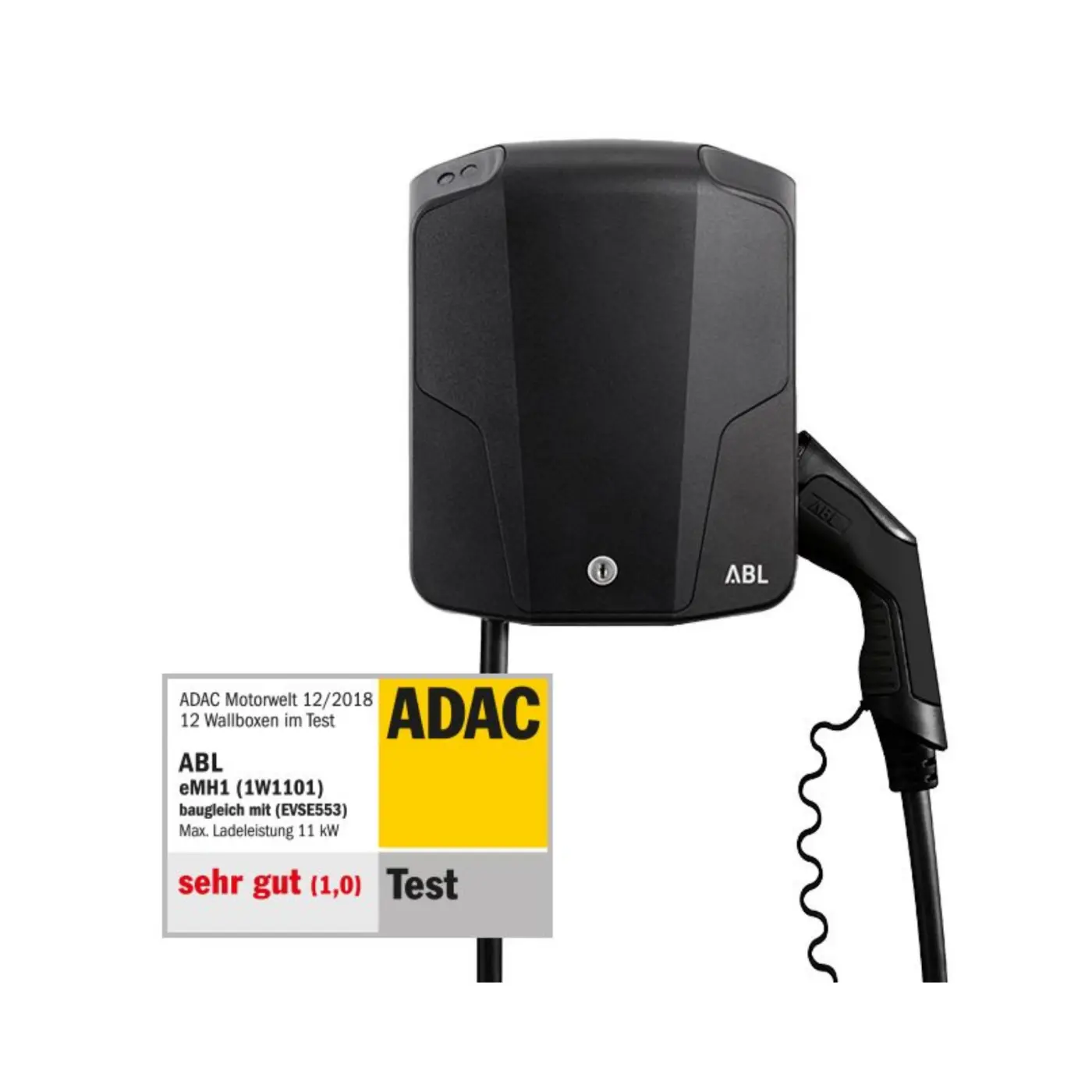
ABL eMH1 1W1101
- Integrated RCD Type A 30 mA plus electronic DC detection ≥ 6 mA; no energy meter listed — published by ABLIntegrated 6 mA DC fault detection and MID meter, as published
- €439retail price
Details+
A deliberately simple, German-made wallbox whose datasheet lists both an integrated 30 mA Type A RCD and electronic 6 mA DC detection, at well under half the price of the smart boxes.
- Strengths
- Integrated RCD Type A 30 mA plus 6 mA DC detection
- Complete datasheet: −25 to 40 °C, IP54, 4.5 kg
- ADAC grade 2.1 for an eMH1 (October 2024)
- €439 including the protection hardware
- Key switch, no account or cloud required
- Weaknesses
- No energy meter listed, so no MID billing
- No app, WLAN, LAN or OCPP; RS485 only
- No phase switching or PV mode out of the box
- No standby figure or IK rating published
7.5 / 10fair
-
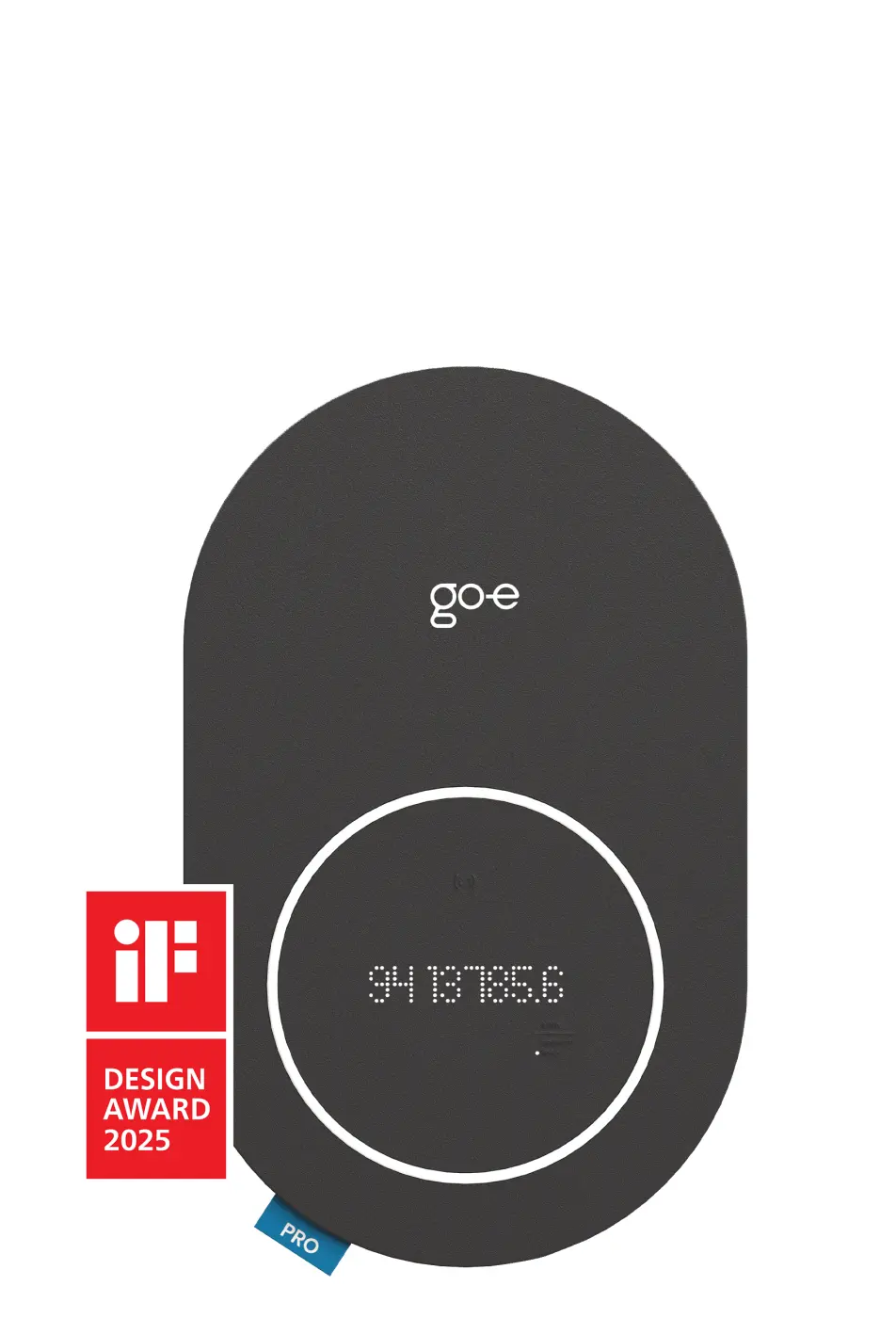
go-e Charger PRO 11 kW (CH-PRO-CABLE-011)
- 6 mA DC and 20 mA AC detection; upstream RCD Type A 30 mA required; MID Class B meter (Eichrecht only in the PRO ME) — published by go-eIntegrated 6 mA DC fault detection and MID meter, as published
- €1,099retail price
Details+
The most completely documented unit here, and the only one whose maker publishes a standby figure (3.5 W), an IK rating and both AC and DC detection thresholds.
- Strengths
- Standby published: 3.5 W
- 6 mA DC detection; Type A RCD suffices upstream
- MID Class B meter included
- IP66 and IK08, −25 to +40 °C
- Wi-Fi, LTE, Ethernet, OCPP 1.6J, RFID
- Weaknesses
- No independent test of the PRO found
- Eichrecht only in the PRO ME (€1,299)
- ISO 15118 only hardware-ready
- Upstream RCD Type A not included in the €1,099
6.9 / 10acceptable
-
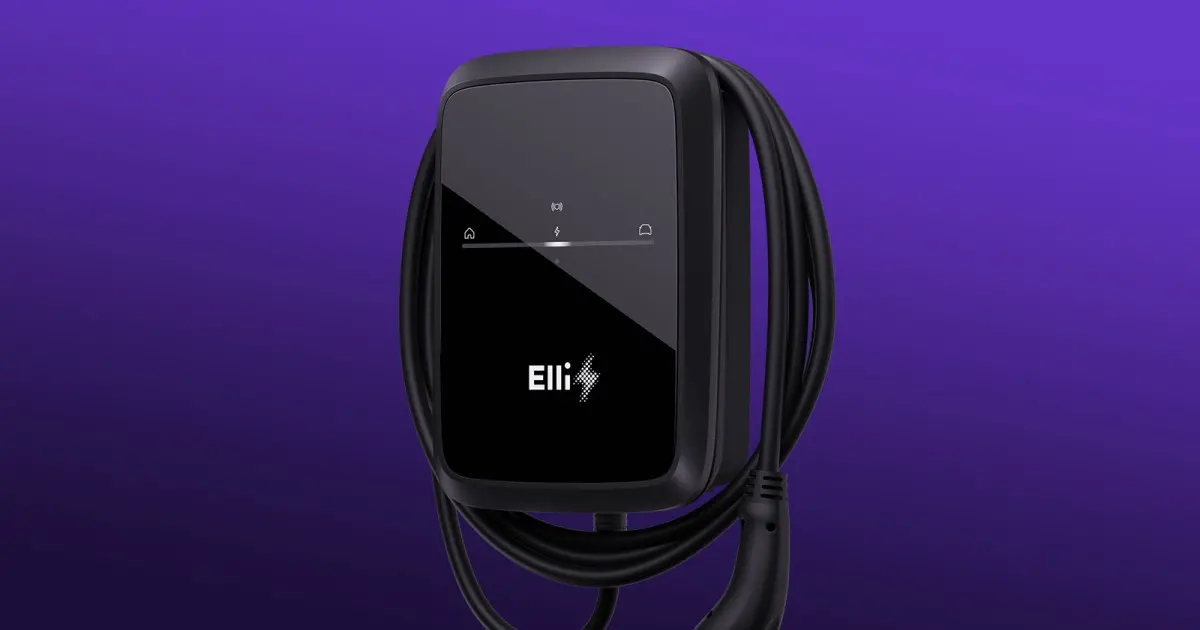
Elli Charger Connect 2 (11 kW)
- 6 mA DC detection to IEC 62955; upstream RCD at least Type A; integrated meter not MID (MID only in the 22 kW Pro 2) — published by ElliIntegrated 6 mA DC fault detection and MID meter, as published
- €759retail price
Details+
Volkswagen Group’s wallbox, sold as Elli Charger Connect 2 and as the VW ID. and Cupra Charger Connect 2; its installation manual is one of the few to name IEC 62955 for the 6 mA DC detection.
- Strengths
- 6 mA DC detection to IEC 62955; Type A RCD upstream
- ISO 15118 Plug and Charge listed (VW version)
- PV-surplus charging and dynamic phase switching
- EEBUS interface and published §14a declaration
- From €759 including shipping
- Weaknesses
- Meter not MID-certified; MID only in the 22 kW Pro 2 from €1,099
- No standby, IK or temperature data found
- Previous ID. Charger only graded 2.2 by ADAC (2023)
- Standard warranty two years
6.8 / 10acceptable
-
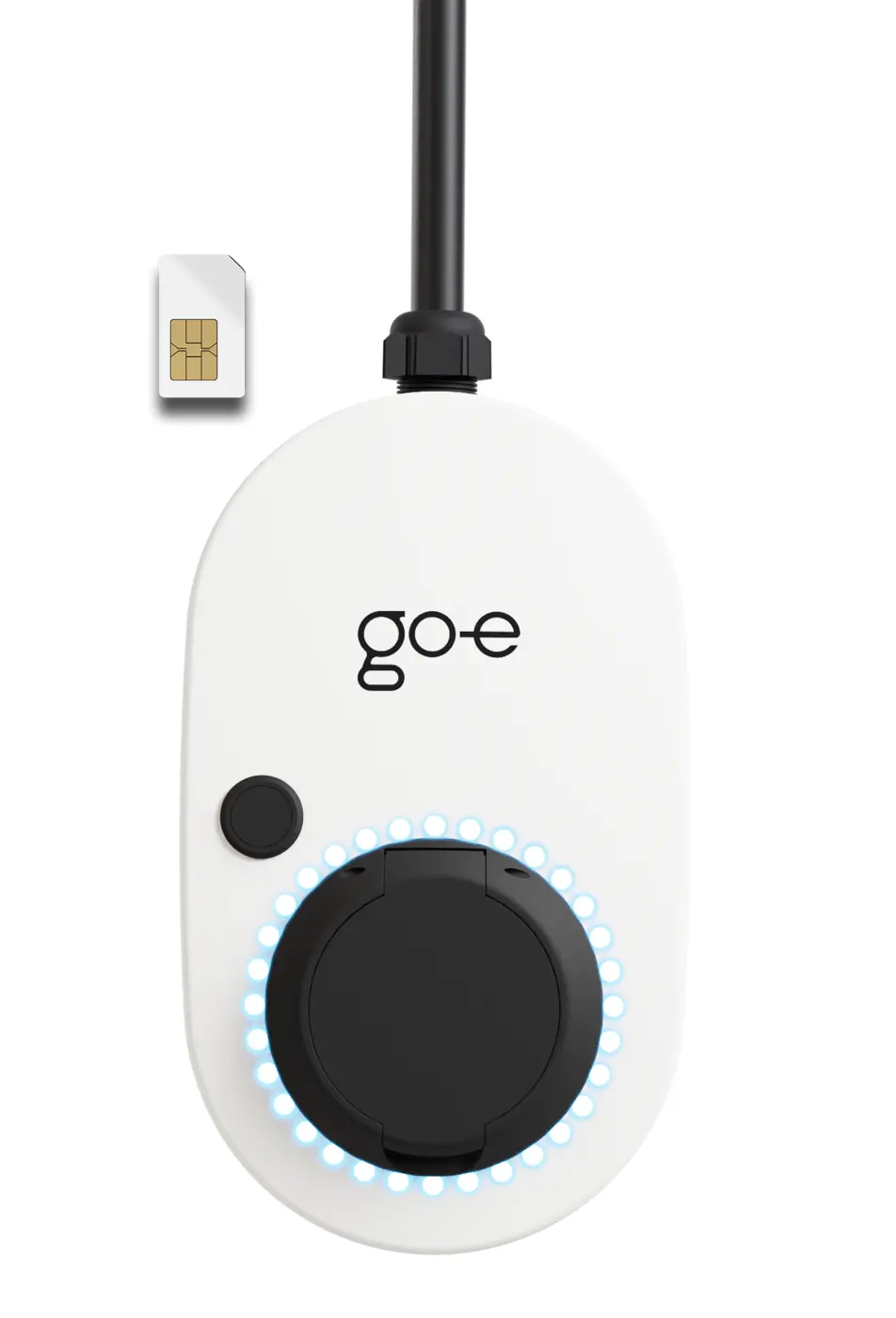
go-e Charger Gemini 2.0 11 kW (CH-05-11-51)
- DC protection module listed, threshold not stated on the pages we opened; meter uncalibrated — go-e / The Mobility HouseIntegrated 6 mA DC fault detection and MID meter, as published
- €689retail price
Details+
A light (1.84 kg) socket wallbox with phase switching, a SIM with mobile data and OCPP at a mid-range price; the DC protection is listed, but not its threshold.
- Strengths
- Very light: 1.84 kg
- Phase switching, 1.4–11 kW range
- SIM with mobile data, OCPP 1.6, Modbus TCP, MQTT
- IP65
- €689 at The Mobility House
- Weaknesses
- DC detection threshold and RCD type not stated on pages opened
- Meter uncalibrated, no MID
- Socket only: cable not listed
- No standby or warranty figure found
6.7 / 10acceptable
-
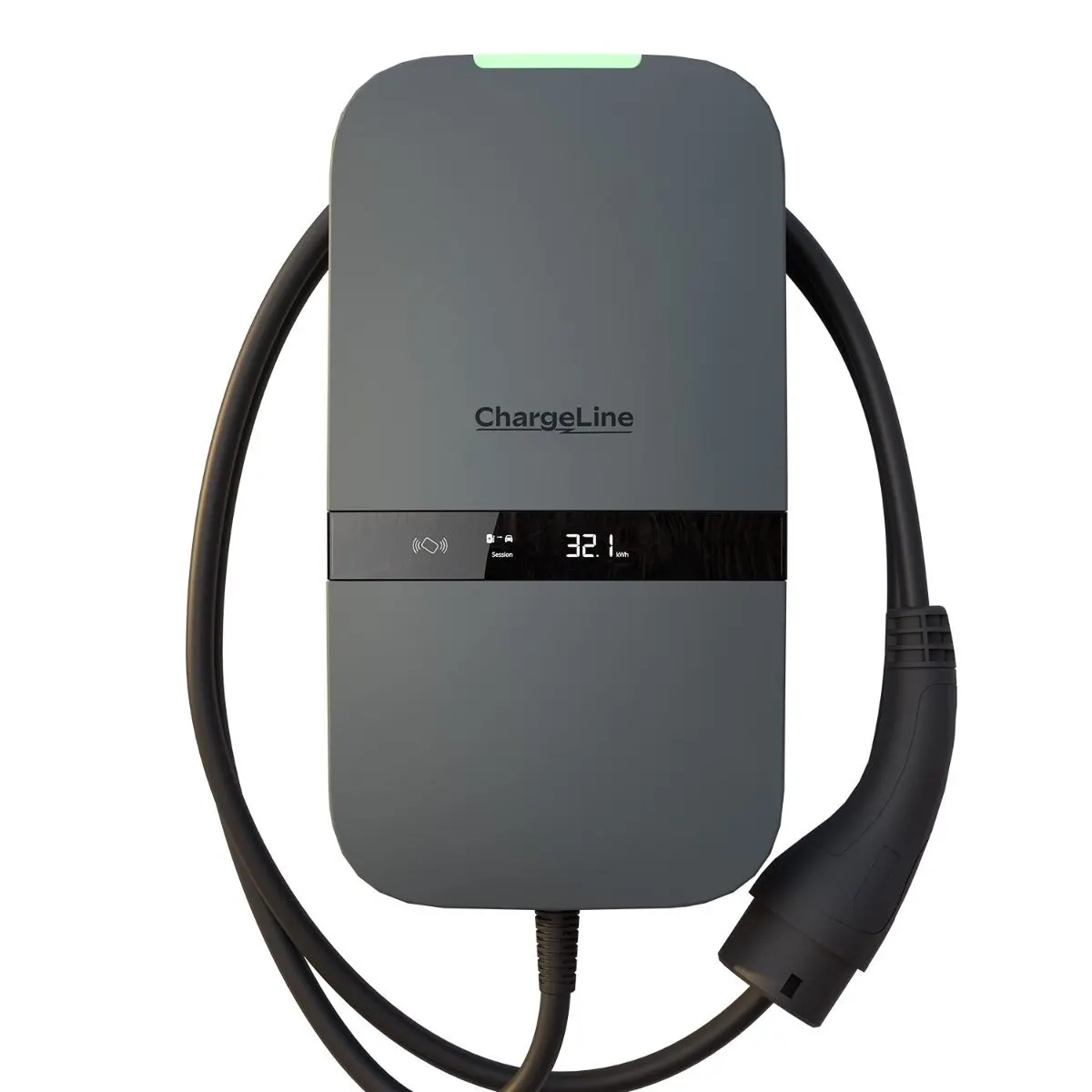
ChargeLine 11kW Home
- “DC protection” listed without a mA value; MID meter included — The Mobility HouseIntegrated 6 mA DC fault detection and MID meter, as published
- €899retail price
Details+
A feature-rich package — MID meter, 7.5 m cable, SIM, OCPP and hardware-prepared Plug and Charge — whose spec sheet we could only read on its retailer’s page.
- Strengths
- MID meter included at €899
- 7.5 m tethered cable
- Wi-Fi, LAN, SIM, OCPP 1.6, Modbus RTU/TCP
- Integrated load management
- Three-year warranty
- Weaknesses
- DC protection listed without a mA value or RCD type
- Only the Business model tested by ADAC (2.1)
- ISO 15118 only hardware-prepared
- No manufacturer datasheet found; retailer data only
6.6 / 10acceptable
-
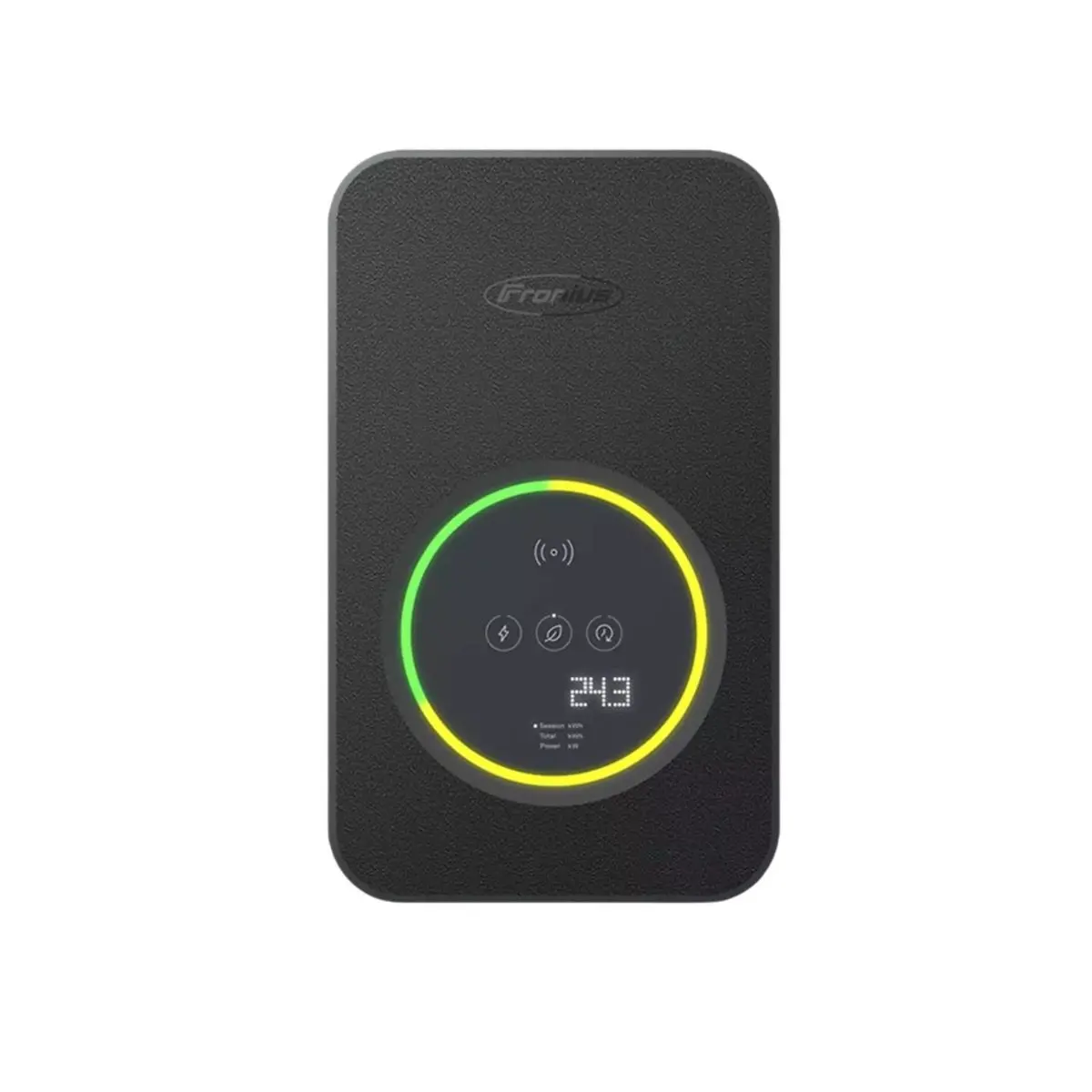
Fronius Wattpilot Flex Pro 11 (C6E)
- DC detection not stated on the page we opened; MID-certified meter described, but listed as not Eichrecht-calibrated — The Mobility HouseIntegrated 6 mA DC fault detection and MID meter, as published
- €1,129retail price
Details+
The PV specialist’s wallbox: automatic switching between one and three phases from 1.38 kW, IP66 and a Pro meter, from a family whose predecessor won ADAC’s 2023 PV test.
- Strengths
- 1-/3-phase switching from 1.38 kW for PV surplus
- Predecessor Wattpilot Home 11 J 2.0 graded 1.6 by ADAC (2023)
- IP66, 4.1 kg
- MID-certified meter in the Pro
- Wi-Fi, OCPP 1.6, RFID, app
- Weaknesses
- DC detection and RCD type not stated on the page we opened
- Most expensive 11 kW unit here: €1,129
- Meter not Eichrecht-calibrated
- Manufacturer page did not load; retailer data only
6.6 / 10acceptable
-
Alfen Eve Single S-line (904460587)
- Integrated DC fault-current sensor; a Type A RCD suffices; MID meter included — The Mobility HouseIntegrated 6 mA DC fault detection and MID meter, as published
- €889retail price
Details+
MID meter, integrated DC sensor and §14a control via contact, EMS or OCPP for €889 — but an S-line was rated 5.0 for safety defects by ADAC in 2022.
- Strengths
- MID meter included
- Integrated DC sensor: Type A RCD suffices
- §14a control via contact, EMS or OCPP
- LAN, Wi-Fi, SIM, OCPP, Modbus TCP
- Eve Single Pro-line DE graded 1.9 by ADAC (2025)
- Weaknesses
- S-line rated 5.0 for safety defects by ADAC (2022)
- DC sensor threshold in mA not stated
- Shortest cable here: 5 m
- Two-year carry-in warranty only
6.5 / 10acceptable
-
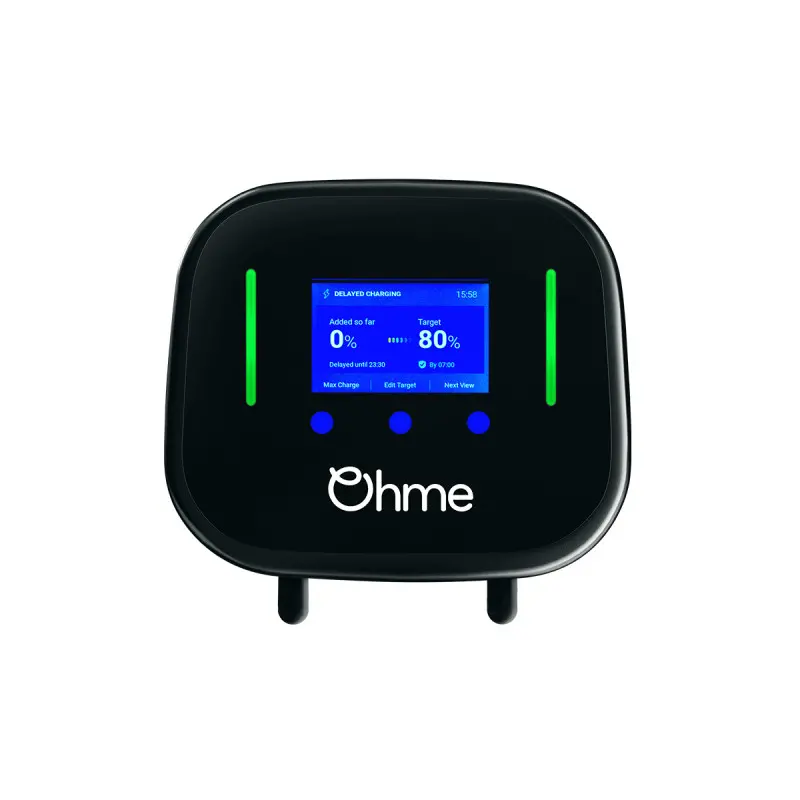
Ohme Home Pro MID (HP8-11EU-4G-BLMID-02)
- DC fault-current detection not published on the pages we opened; MID-compliant meter — published by OhmeIntegrated 6 mA DC fault detection and MID meter, as published
- €749retail price
Details+
A compact MID-metered box with an 8 m cable, 4G and dynamic-tariff smart charging, but neither Ohme nor its retailer states how it handles DC fault currents.
- Strengths
- MID-compliant meter
- 8 m cable on the HP8 version
- 4G multi-network SIM, OCPP 1.6, Modbus TCP
- Compact: 170 × 200 × 100 mm, 4 kg
- §14a-compliant and three-year warranty
- Weaknesses
- DC fault-current detection not published
- No Wi-Fi or LAN listed
- No independent test of the EU model found
- No standby or temperature data
6.0 / 10acceptable
-
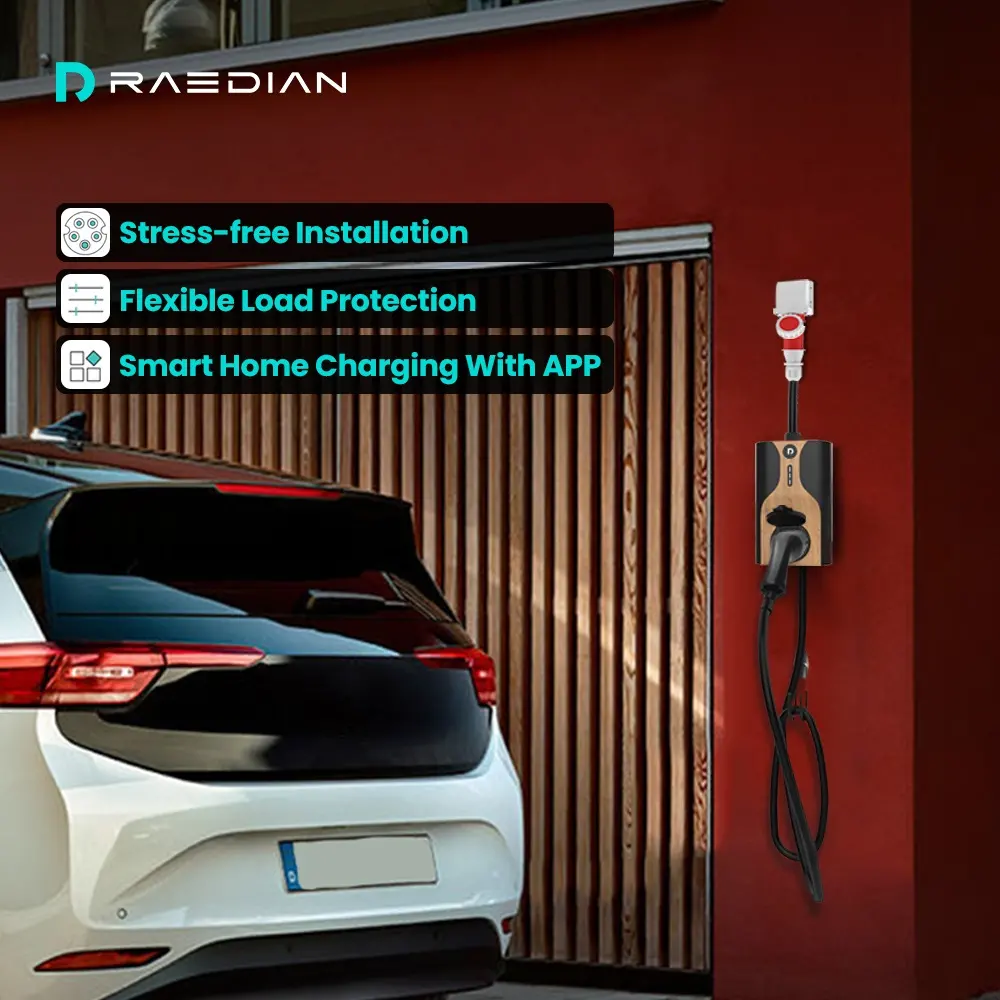
Raedian NORA 11 kW (9101000021122)
- “DC protection” listed without a mA value; meter uncalibrated — The Mobility HouseIntegrated 6 mA DC fault detection and MID meter, as published
- €379retail price
Details+
The cheapest box here at €379 with Wi-Fi, Bluetooth, RFID and OCPP, but with the thinnest published data and no independent test.
- Strengths
- Lowest price here: €379
- Wi-Fi, Bluetooth, RFID, OCPP, app
- IP55
- Maker lists tethered and socket versions
- Weaknesses
- DC detection threshold and RCD type not stated
- Meter uncalibrated, no MID
- No independent test found
- No warranty, standby or temperature data
5.9 / 10poor
Scores comparable only within this categorySignificance threshold: ±0.15 pt
7.6 Our verdict
The KEBA KeContact P40 leads because it pairs the best independent result here – ADAC test winner with 1.6 in December 2025 – with a clearly published integrated Type A RCCB and 6 mA DC detection. The ABL eMH1 is the value pick: €439 buys a datasheet that states an integrated 30 mA Type A RCD and DC detection at 6 mA, though it has no meter, app or OCPP. The go-e Charger PRO is the most completely documented box and the only one with a published standby figure (3.5 W) and an MID meter as standard, but no independent test. Elli’s Charger Connect 2 names IEC 62955 for its 6 mA DC detection and adds Plug and Charge. Further down, the data thin out: Fronius, Ohme, ChargeLine, go-e’s Gemini 2.0 and Raedian either omit the DC detection threshold or say nothing about it, and the Alfen S-line carries a 2022 ADAC safety failure that we could not see resolved. Whichever box you choose, ask the electrician to confirm the upstream RCD type from the installation manual and notify the grid operator before installation.
Grid rules
11 or 22 kW: notification, approval and §14a EnWG
Three-phase charging at 16 A gives 3 × 230 V × 16 A ≈ 11 kW; 22 kW needs 32 A per phase. In Germany the difference is administrative as much as electrical. ADAC’s guide of 28 November 2025 states that all private wallboxes must be notified to the responsible grid operator before installation, and that wallboxes above 11 kW additionally need approval. Responsibility lies with whoever uses the connection, even though the electrician usually files the paperwork.
Since 1 January 2024 the Bundesnetzagentur’s rules under §14a EnWG apply to controllable consumers with a connection rating above 4.2 kW, which includes private wallboxes. The grid operator may dim them in a congestion situation but must leave at least 4.2 kW per device, and in return may no longer refuse or delay connecting a new private charger on the grounds of possible local overload. Owners get reduced network charges under one of three modules: a flat reduction (Module 1, €110–190 a year depending on the region), a 40% cut in the network work price with a separate meter (Module 2), or time-variable network charges from April 2025 (Module 3, combinable only with Module 1).
| Item | 11 kW | 22 kW |
|---|---|---|
| Current per phase | 16 A | 32 A |
| Grid operator (DE) | Notification | Notification and approval |
| §14a EnWG (above 4.2 kW) | Applies | Applies |
A car charges no faster than its own on-board charger allows, so check the car’s AC rating before paying for 22 kW. For §14a control, Alfen, Elli and Ohme advertise compliance or an interface (contact, EEBUS, OCPP); ABL’s eMH1 lists only RS485. Rules in other EU countries differ and were not examined.
Key metric
6 mA DC fault detection and the RCD in front of the wallbox
A car’s charger can leak smooth DC fault current, which can blind an ordinary Type A residual-current device. There are two ways to deal with it: a Type B RCD upstream, which is expensive, or DC fault detection inside the wallbox that switches off at 6 mA DC, so that a Type A RCD is enough upstream. KEBA calls this element an RDC-DD; Elli’s installation manual names the standard it follows, IEC 62955, and requires at least a Type A RCD upstream. ABL’s datasheet cites IEC 61851-1 Ed. 3 and IEC 60364-7-722.
| Wallbox | DC detection as published | RCD |
|---|---|---|
| KEBA P40 | RDC-DD, 6 mA | RCCB Type A integrated |
| ABL eMH1 | Electronic, ≥ 6 mA | Type A 30 mA integrated |
| go-e PRO | 6 mA DC, 20 mA AC | Type A 30 mA upstream |
| Elli Connect 2 | 6 mA, IEC 62955 | At least Type A upstream |
| Alfen S-line | Integrated DC sensor | Type A upstream |
| ChargeLine, go-e Gemini 2.0, Raedian | “DC protection”, no value | Not stated |
| Fronius Flex Pro 11, Ohme Home Pro | Not stated | Not stated |
Two boxes, KEBA and ABL, integrate the Type A device itself; how much protection still goes in the consumer unit is the installer’s decision under local rules. Where a page only says “DC protection”, the box very likely has DC detection, but without the threshold you cannot tell from published data whether a Type A RCD is permitted. That is why we treat a missing value as a weakness rather than a detail.
Metering
MID, Eichrecht and what the meter is for
Directive 2014/32/EU, the Measuring Instruments Directive (MID), covers active electrical energy meters; Elli’s documentation describes its Pro 2 meter as MID 2014/32/EU-compliant. An MID meter gives a certified kWh reading, which matters if an employer reimburses home charging of a company car or if you want a reliable record for §14a Module 2. German Eichrecht goes further and is needed when kWh are sold to third parties; it usually means a separate, dearer variant.
| Wallbox | Meter as published |
|---|---|
| go-e PRO | MID Class B; Eichrecht only PRO ME (€1,299) |
| Alfen S-line, ChargeLine Home, Ohme Home Pro MID | MID |
| Fronius Flex Pro 11 | MID described; not Eichrecht-calibrated |
| KEBA P40 131.736 | Uncalibrated; MID variants €1,010–1,059 |
| Elli Connect 2 | Integrated, not MID; Pro 2 from €1,099 |
| go-e Gemini 2.0, Raedian NORA | Uncalibrated |
| ABL eMH1 | No meter listed |
The word “meter” on a spec sheet often means an uncalibrated internal measurement that feeds the app. It is fine for keeping an eye on consumption, but it is not evidence for anyone else. If you need a billable figure, check that the exact article number says MID – the same model name may come with and without it.
Smart functions
Load management, PV surplus, phase switching, OCPP and ISO 15118
PV surplus and phase switching. At a 6 A minimum current, three phases still draw 3 × 230 V × 6 A ≈ 4.1 kW, so on a cloudy day a three-phase-only charger either stops or draws grid power. Switching to one phase lowers the floor: The Mobility House lists the Fronius Flex Pro 11 from 1.38 kW and the go-e Gemini 2.0 from 1.4 kW. KEBA states integrated 1-/3-phase switching; Elli lists dynamic phase switching on the VW version. Ohme advertises integrated PV surplus (“Solar Boost”) without stating phase switching.
Load management. ChargeLine lists integrated load management; Alfen offers §14a control via contact, EMS or OCPP. Most others rely on an external meter or energy-management system that is not included in the price.
OCPP. OCPP connects a wallbox to a back-end for billing, company fleets or third-party apps. Five makers state OCPP 1.6 or 1.6J (go-e, KEBA, Fronius, ChargeLine, Ohme); Elli’s product page gives no version; Alfen and Raedian say OCPP without a version; ABL’s eMH1 has none.
ISO 15118. Plug and Charge lets the car authenticate itself without a card or app. Only the VW-branded Charger Connect 2 is listed with Plug and Charge outright. go-e PRO (“hardware-ready”), ChargeLine (“hardware-prepared”) and KEBA (optional) depend on future software or extra cost. “Ready” means you cannot use it yet.
Tethered or socket. Nine of the ten have a fixed cable from 5 m (Alfen, Ohme standard, Raedian) to 8 m (Ohme HP8). The go-e Gemini 2.0 has a Type 2 socket, so a cable must be bought separately.
Marketing decoded
What the spec sheets leave out
“11 kW, configurable”. Every box here can deliver 11 kW; the phrase only means the installer can cap the current, for example to match the house connection. It says nothing about quality.
Standby consumption. A wallbox is switched on all year. ADAC measured this in its October 2024 budget test: 28.0 kWh a year for the Webasto Pure II, 42.0 kWh for the EM2GO and 52.6 kWh for the Pracht Alpha Mono XT. Among our ten only go-e publishes a figure, 3.5 W for the PRO. Everyone else is “not published”.
IP and IK. IP54 to IP66 is stated for all ten, so all are listed as suitable outdoors. Only go-e gives an impact rating (IK08), which matters in a public car park or a driveway shared with bicycles.
Temperature. Only ABL (−25 to 40 °C) and go-e (−25 to +40 °C) publish an operating range.
“Test winner”. Check which test and which model. ADAC graded the Fronius Wattpilot Home 11 J 2.0 (2023) and the go-e HOMEfix (2022), not their current successors in this list, and the ChargeLine grade belongs to the Business model.
Price. None of the prices include installation, the upstream RCD and circuit breaker, cabling or the grid-operator notification. For a cheap box these can exceed the price of the charger itself. A security test matters too: in ADAC’s December 2025 test one wallbox scored 5.0 because of IT-security flaws, a topic most product pages ignore.
Methodology
How this score is built
The score is the mean of four component scores — each carries equal weight and each rests on a named source. The full procedure is described in the methodology.
01Composition and specification
Declared composition and specification: active ingredients and their concentrations, energy classes, standards, technical parameters — and what the manufacturer leaves unsaid.
02Evidence and studies
Verification of the manufacturer's claims against outside sources: laboratory reports, industry testing, safety data sheets, certificates and regulatory decisions.
03Owner feedback
Analysis of verified reviews written after extended use, together with recurring fault reports for the model or series.
04Cost and value
Price set against what the product actually delivers, plus costs incurred later — consumables, energy, servicing, subscriptions — over the lifespan typical for the category.
FAQ
Frequently asked questions
Do I need a Type B RCD for an 11 kW wallbox?+
Not if the wallbox has integrated 6 mA DC fault-current detection: then a Type A RCD is enough upstream, as go-e and Elli state explicitly. KEBA and ABL integrate a Type A device as well. Where a maker does not publish the DC threshold, the installer must check the manual.
Does an 11 kW wallbox need approval in Germany?+
It must be notified to the grid operator before installation; ADAC states that only wallboxes above 11 kW additionally need approval.
What does §14a EnWG mean for my wallbox?+
Since 1 January 2024 private chargers above 4.2 kW are controllable devices: the grid operator may dim them to no less than 4.2 kW in a congestion situation, may not refuse the connection on overload grounds, and you get reduced network charges under Module 1, 2 or 3.
Is an MID meter worth paying for?+
Only if someone else relies on the reading, for example an employer reimbursing a company car, or for a separately metered tariff. For your own overview an uncalibrated meter is enough.
Is 22 kW better than 11 kW at home?+
Only if your car accepts 22 kW AC and your connection allows 32 A per phase. In Germany a 22 kW box also needs the grid operator’s approval, not only a notification.
Is installation included in the prices?+
No. All prices are for the wallbox alone; the electrician, RCD, circuit breaker, cabling and grid notification come on top.
What is ISO 15118 “ready”?+
It means the hardware is prepared for Plug and Charge but the function depends on future software or an upgrade. Among the ten, only the VW-branded Charger Connect 2 lists Plug and Charge as a feature.
Why is the Tesla Wall Connector not in this ranking?+
It is sold as a unit of up to 22 kW, so it does not fit an 11 kW comparison.
Sources
Documents and standards
- 1. ADAC – Wallboxen für Dienstwagen im Test (11.12.2025) — https://www.adac.de/rund-ums-fahrzeug/elektromobilitaet/laden/wallboxen-fuer-dienstwagen-test/
- 2. ADAC – Wallboxen für Photovoltaik-Anlagen im Test (31.10.2023) — https://www.adac.de/rund-ums-fahrzeug/elektromobilitaet/laden/wallbox-photovoltaik-anlagen-test/
- 3. ADAC – Günstige Wallboxen im Test (29.10.2024) — https://www.adac.de/rund-ums-fahrzeug/elektromobilitaet/laden/guenstige-wallboxen-test/
- 4. ADAC – Wallboxen der Autohersteller im Test (02.11.2023) — https://www.adac.de/rund-ums-fahrzeug/elektromobilitaet/laden/wallboxen/
- 5. ADAC – Wallbox anmelden (28.11.2025) — https://www.adac.de/rund-ums-fahrzeug/elektromobilitaet/laden/wallbox-anmelden/
- 6. Bundesnetzagentur – Steuerbare Verbrauchseinrichtungen (§14a EnWG) — https://www.bundesnetzagentur.de/DE/Vportal/Energie/SteuerbareVBE/start.html
- 7. §14a EnWG (dejure.org) — https://dejure.org/gesetze/EnWG/14a.html
- 8. KEBA – KeContact P40 overview — https://www.keba.com/en/emobility/products/ac-charging-stations/p40/kecontact-p40-overview
- 9. The Mobility House – KEBA KeContact P40 131.736 — https://www.mobilityhouse.com/de_de/keba-kecontact-p40-131-736-wallbox.html
- 10. The Mobility House – Ladestationen (price listing incl. go-e PRO, KEBA MID variants) — https://www.mobilityhouse.com/de_de/ladestationen.html
- 11. go-e – Charger PRO datasheet — https://go-e.com/fileadmin/Support/Anleitungen/Englisch/go-e-charger-pro-datasheet.pdf
- 12. go-e – Charger PRO — https://go-e.com/en/products/go-e-charger-pro
- 13. go-e – Charger Gemini 2.0 — https://go-e.com/en/products/go-e-charger-gemini-2-0
- 14. The Mobility House – go-e Charger Gemini 2.0 CH-05-11-51 — https://www.mobilityhouse.com/de_de/go-e-charger-gemini-2-0-ch-05-11-51-wallbox.html
- 15. ABL – eMH1 1W1101 datasheet — https://www.ablmobility.de/global/downloads/datenblaetter/emh1/eMH1_DE/ABL_1W1101_DE.pdf
- 16. The Mobility House – ABL eMH1 1W1101 — https://www.mobilityhouse.com/de_de/abl-wallbox-emh1-1w1101.html
- 17. Elli – Wallbox (Charger 2) — https://www.elli.eco/de/privatkunden/produkte/wallbox
- 18. Elli – Charger 2 installation manual v1.1.2 — https://www.elli.eco/media/pages/downloads/charger2-installation-manual/5b98a8cc4b-1776426279/charger_2_installation_manual_digital_v1.1.2.pdf
- 19. The Mobility House – VW ID. Charger Connect 2 139915003 — https://www.mobilityhouse.com/de_de/elli-vw-id-139915003-wallbox.html
- 20. The Mobility House – Fronius Wattpilot Flex Pro 11 — https://www.mobilityhouse.com/de_de/fronius-c6e-wattpilot-flex-pro-11-4-240-171-wallbox.html
- 21. The Mobility House – Alfen Eve Single S-line — https://www.mobilityhouse.com/de_de/alfen-eve-single-s-line-904460587-4917-wallbox.html
- 22. The Mobility House – ChargeLine 11kW Home — https://www.mobilityhouse.com/de_de/chargeline-home-wallbox.html
- 23. Ohme – Home Pro MID (DE) — https://ohme-ev.com/de/produkt/ohme-home-pro-mid/
- 24. The Mobility House – Ohme Home Pro HP8-11EU-4G-BLMID-02 — https://www.mobilityhouse.com/de_de/ohme-home-hp8-11eu-4g-blmid-02-wallbox.html
- 25. The Mobility House – Raedian NORA 9101000021122 — https://www.mobilityhouse.com/de_de/raedian-nora-9101000021122-wallbox.html
More
Other rankings
in
Automotive.
Each category has its own protocol and its own key parameter.