Sports & outdoorAnalysis 150
Best GPS Running Watches
A running watch is first a GNSS logger with a battery attached. This ranking compares ten current GPS running watches sold in the EU, from €240 to €899, on the one number that decides whether a watch finishes your longest run: hours of recording in the most accurate positioning mode the maker publishes, which on most of these models means multi-band (L1+L5) GNSS.
We also checked what the makers do not say: which mode a headline battery figure was measured in, whether water resistance is tied to ISO 22810, whether maps and music need extra storage or subscriptions, and how long software will be supported. None of the ten makers publishes a software-update period on the pages we opened.
This is desk research. Where we cite GPS or heart-rate accuracy, it comes from published independent reviews, mostly the5krunner's, not from our own testing.
Methodology note
Based on manufacturer product and specification pages (COROS, Suunto, Polar, Huawei, Amazfit, Apple), the5krunner's specification sheets, reviews and buying guides, and EU price listings on kieskeurig.nl and beslist.nl, all opened in October 2026. Garmin's product pages did not render specifications or prices for us, so Garmin figures are as reproduced by the5krunner, and the Forerunner 570 and 970 links point to Garmin's running-watch category page.
Not examined: hands-on accuracy, strap comfort, long-term durability. DC Rainmaker and Stiftung Warentest pages could not be fetched; Which? smartwatch results are behind a member login. We captured no retailer star ratings, so the owner-feedback score is a neutral 6.5 for every model rather than a measured figure. Prices are the lowest Dutch listings we saw, except Apple (Apple store), COROS PACE 4 Pro (€449 as quoted by the5krunner) and Suunto (€299, matching the5krunner's list price).
 7.8BPR score
Key parameter
GPS battery life in the most accurate published mode
Hours of continuous recording in multi-band (L1+L5) mode where the maker publishes it, otherwise in the most accurate mode it does publish. It decides whether the watch can record a marathon or ultra at full accuracy; values come from the manufacturer's page or, for Garmin, from Garmin figures reproduced by the5krunner.
-
Top score
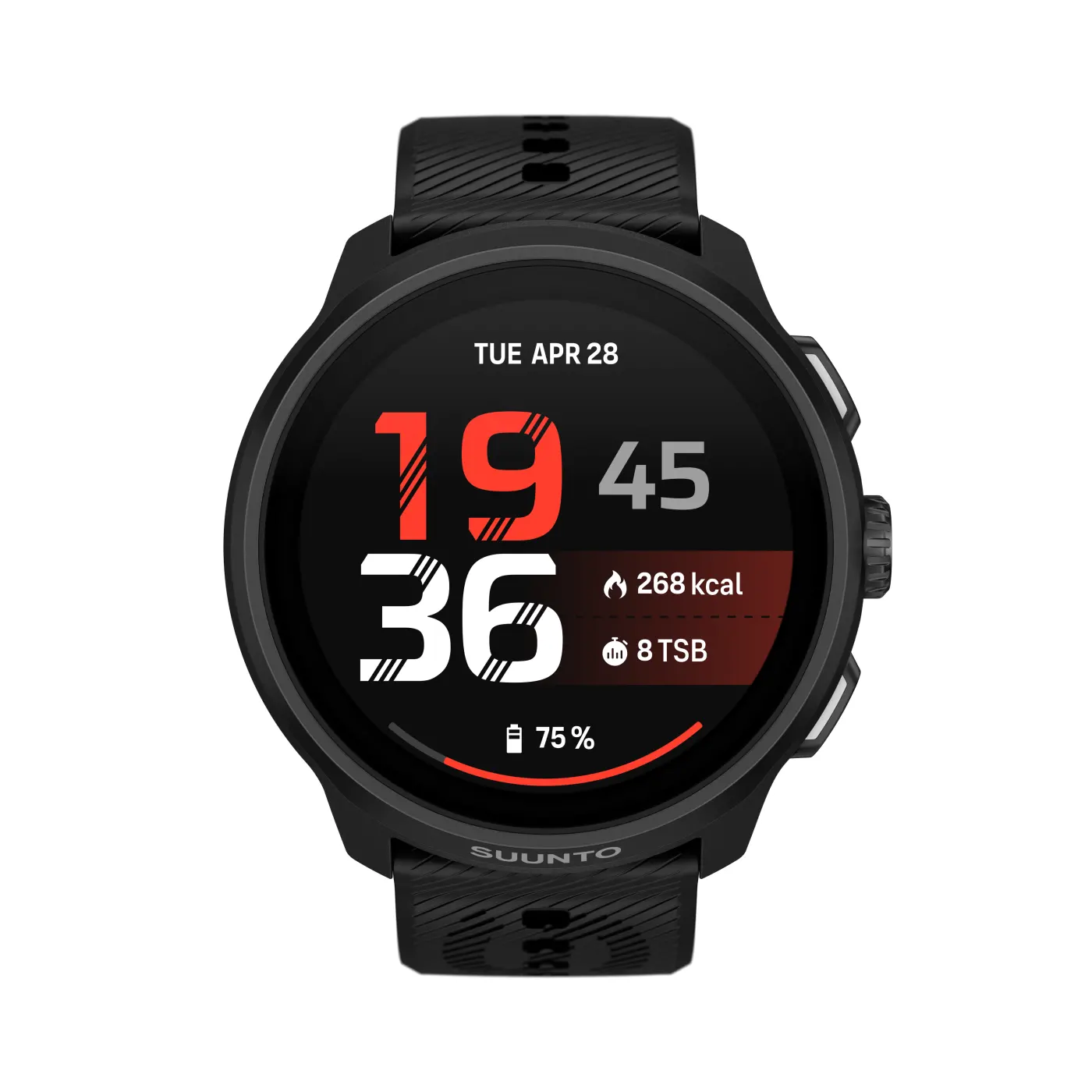
Suunto Run 2
- up to 24 h with dual-band GPS — published by SuuntoGPS battery life in the most accurate published mode
- €299retail price
Details+
The best-evidenced watch here: Suunto states 24 h with dual-band L1+L5 positioning, and the5krunner measured optical heart rate within 1 bpm of chest-strap references, with free offline maps at €299.
- Strengths
- 24 h with dual-band L1+L5 GPS (Suunto)
- Optical HR mean bias 0.0 bpm in the5krunner tests
- Free offline maps on both storage versions
- 35 g watch body, 1.32-inch AMOLED at 2,000 nits
- €299 for the 4 GB version
- Weaknesses
- No NFC payments
- No music streaming services, MP3 files only
- 40 m short on a tree-covered trail in the5krunner test
- No software-update period published
7.8 / 10fair
-
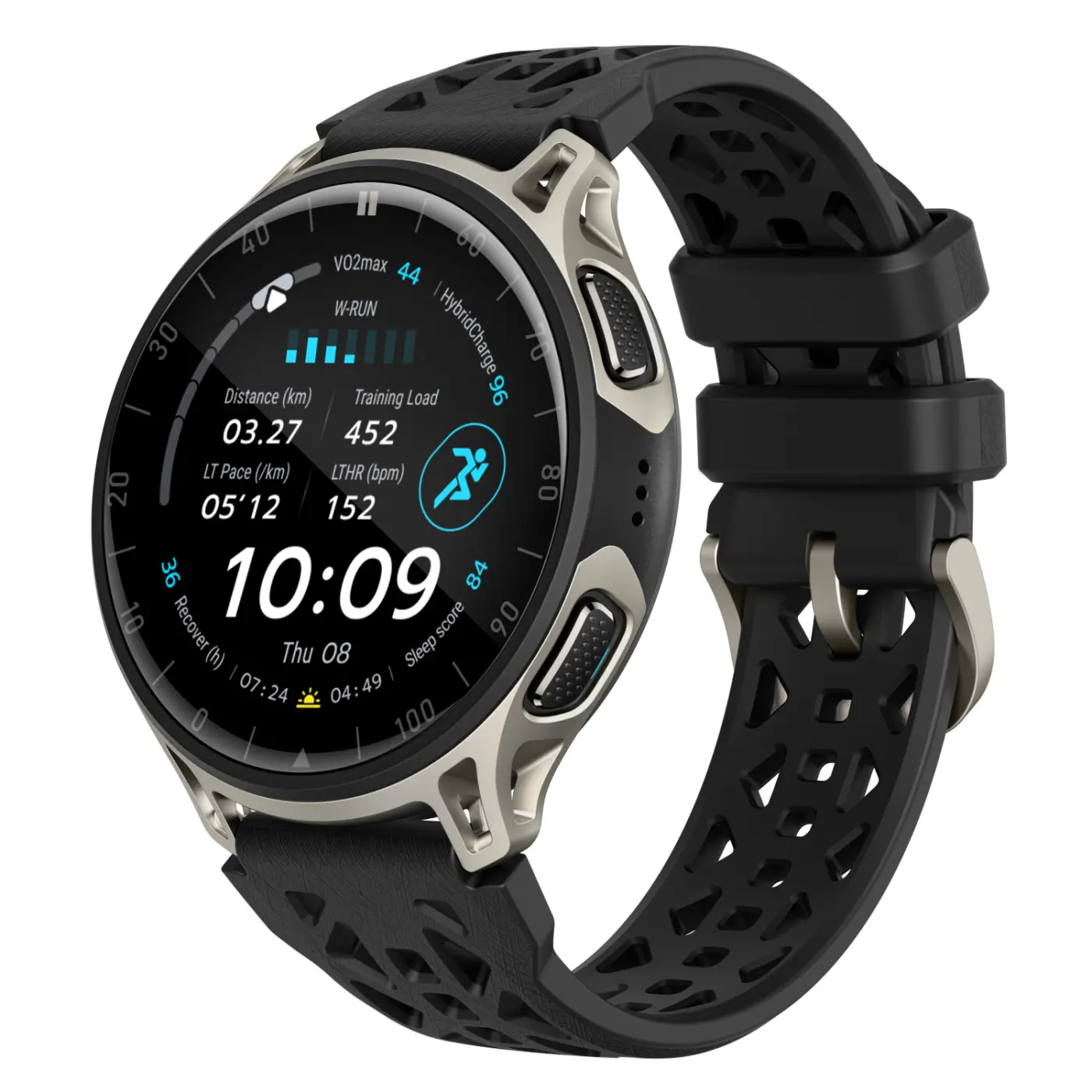
Huawei Watch GT Runner 2
- up to 32 h in outdoor workout mode — published by Huawei (dual-band L1+L5 hardware)GPS battery life in the most accurate published mode
- €240retail price
Details+
A 34.5 g titanium running watch with dual-band GNSS on every major constellation, rated 5 ATM under ISO 22810:2010, and the best urban-canyon GPS the5krunner recorded — now sold well below its €399 launch price.
- Strengths
- Dual-band on GPS, Galileo, QZSS; tri-band BeiDou
- 32 h outdoor workout (Huawei)
- 34.5 g without strap, titanium
- 5 ATM to ISO 22810:2010 plus EN13319
- 90% in the5krunner's 10-mile GPS test
- Weaknesses
- Huawei does not state which GNSS mode the 32 h figure uses
- iPhone connection issues reported by the5krunner
- No Spotify streaming at launch, MP3 only
- No update period published
7.7 / 10fair
-
COROS PACE 4
- up to 31 h dual-frequency (41 h all-systems) — 41 h published by COROS; 31 h from the5krunner's spec sheetGPS battery life in the most accurate published mode
- €269retail price
Details+
The cheapest multi-band watch here and the5krunner's budget pick: 32 g on a nylon strap, AMOLED, 41 h all-systems GPS and, since a September 2026 update, offline maps with street and trail names.
- Strengths
- 41 h all-systems GPS (COROS)
- 31 h dual-frequency (the5krunner spec sheet)
- 32 g with nylon band
- Offline maps added in September 2026
- €269 — cheapest multi-band watch here
- Weaknesses
- No published independent GPS or HR accuracy test seen
- Music support described inconsistently
- Mineral glass, not sapphire
- No update period published
7.5 / 10fair
-
Garmin Forerunner 170
- up to 14 h All-Systems (no multi-band); 20 h GPS-only — per the5krunner's reviewGPS battery life in the most accurate published mode
- €260retail price
Details+
Garmin's 2026 entry-level running watch brings Training Readiness, an AMOLED screen and very accurate wrist heart rate, but keeps single-frequency GPS: 14 h All-Systems, no L5.
- Strengths
- Optical HR bias −0.1 bpm at parkrun (the5krunner)
- AMOLED, 41 g, 5 ATM
- Training Readiness and Training Status
- Garmin Pay and barometric altimeter
- Up to 10 days smartwatch battery
- Weaknesses
- No multi-band L1+L5 GPS
- 14 h All-Systems, shortest here with Forerunner 570
- No on-watch maps
- Glass scratches easily (the5krunner)
7.4 / 10fair
-
COROS PACE 4 Pro
- up to 40 h in MAX (dual-frequency) mode, 60 h all-systems — published by COROSGPS battery life in the most accurate published mode
- €449retail price
Details+
The longest multi-band battery in this ranking — 40 h dual-frequency — with a 1.47-inch 3,500-nit AMOLED under sapphire and 32 GB for maps and music, at 43 g.
- Strengths
- 40 h dual-frequency, 60 h all-systems (COROS)
- 1.47-inch AMOLED, 3,500 nits, sapphire
- 32 GB for offline maps and music
- 43 g with nylon band
- Weaknesses
- Only a first-thoughts review so far; full accuracy data pending
- Early testers report cadence lock on optical HR
- No NFC payments, no Spotify, no ANT+
- Price stated only second-hand (€449)
7.1 / 10fair
-
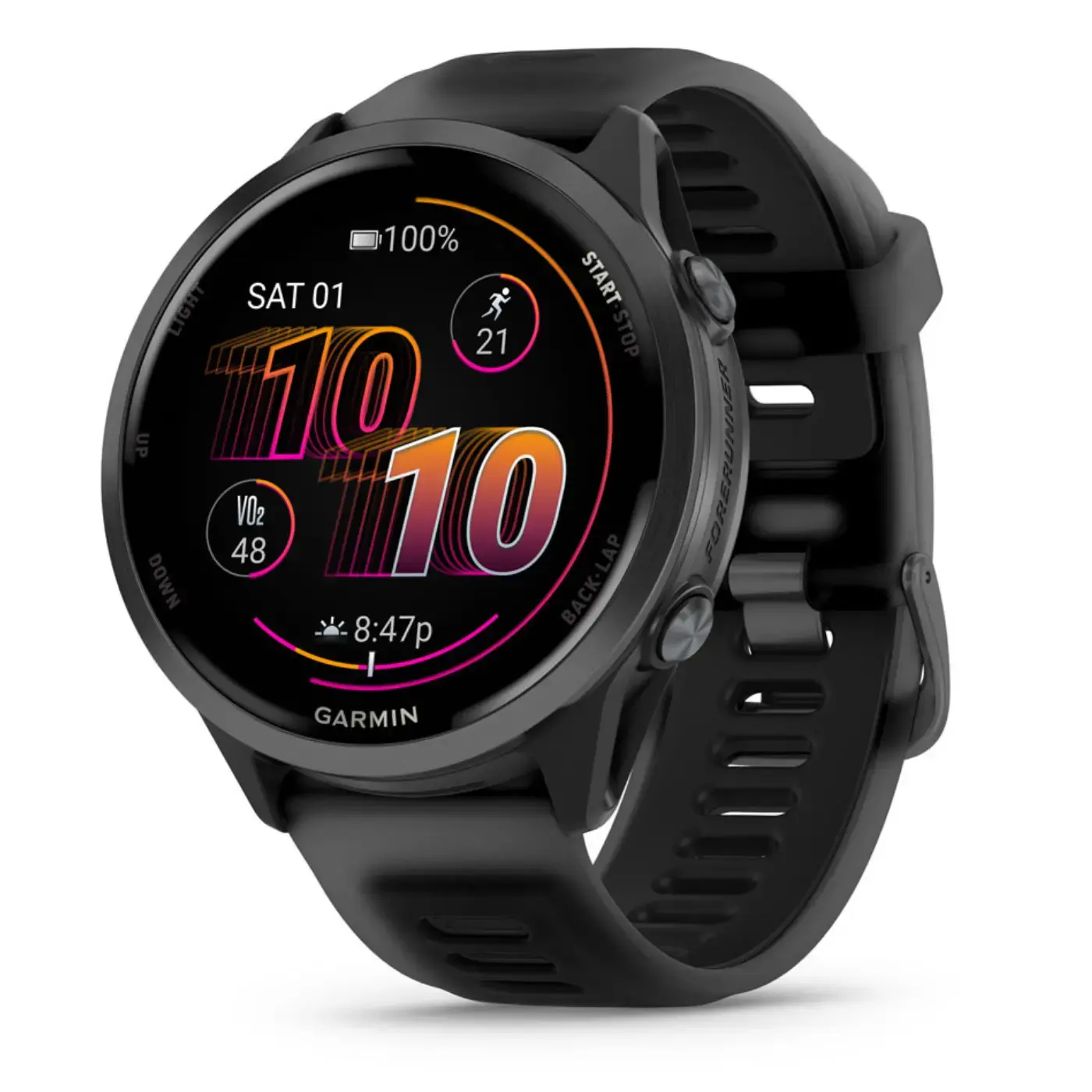
Garmin Forerunner 970
- up to 21 h All-Systems multi-band; 26 h GPS-only — Garmin figures via the5krunnerGPS battery life in the most accurate published mode
- €690retail price
Details+
The only current Forerunner with full colour maps, plus sapphire, an LED torch and ECG — and GPS the5krunner calls genuinely excellent — at close to €690.
- Strengths
- 21 h multi-band, 26 h GPS-only
- Full colour topographic maps
- Sapphire lens, LED flashlight, ECG
- 32 GB storage, up to 2,000 songs
- GPS rated genuinely excellent by the5krunner
- Weaknesses
- €689.99 — second most expensive here
- 56 g without band
- Launch bugs documented by the5krunner
- Some new features moving behind Connect+ subscription
7.0 / 10fair
-
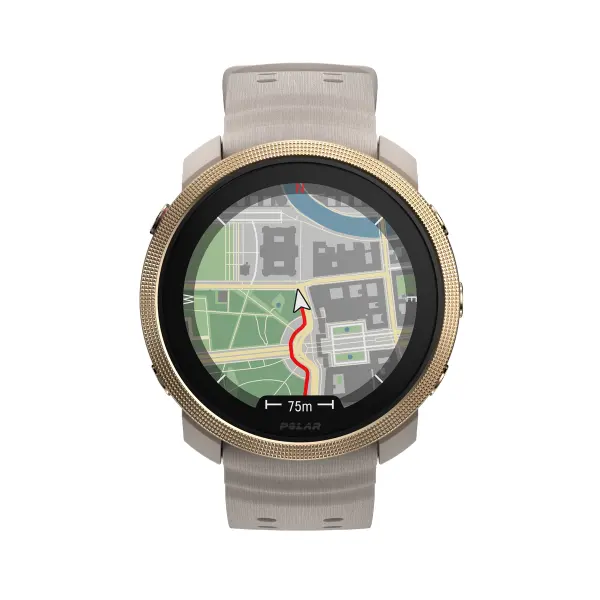
Polar Vantage M3
- up to 27 h in Performance training mode — published by Polar (dual-frequency hardware; mode not specified)GPS battery life in the most accurate published mode
- €322retail price
Details+
A compact dual-frequency AMOLED watch with offline maps, wrist ECG and a genuinely free app, but the5krunner found its wrist heart rate inconsistent.
- Strengths
- Dual-frequency GPS on five systems
- 27 h Performance, 90 h Eco (Polar)
- Offline maps, komoot turn-by-turn
- Polar Flow free, no subscription
- 53 g in total
- Weaknesses
- Optical HR inconsistent in the5krunner test
- Polar does not state the GNSS mode behind 27 h
- No map re-routing, no POI data
- No update period published
7.0 / 10fair
-
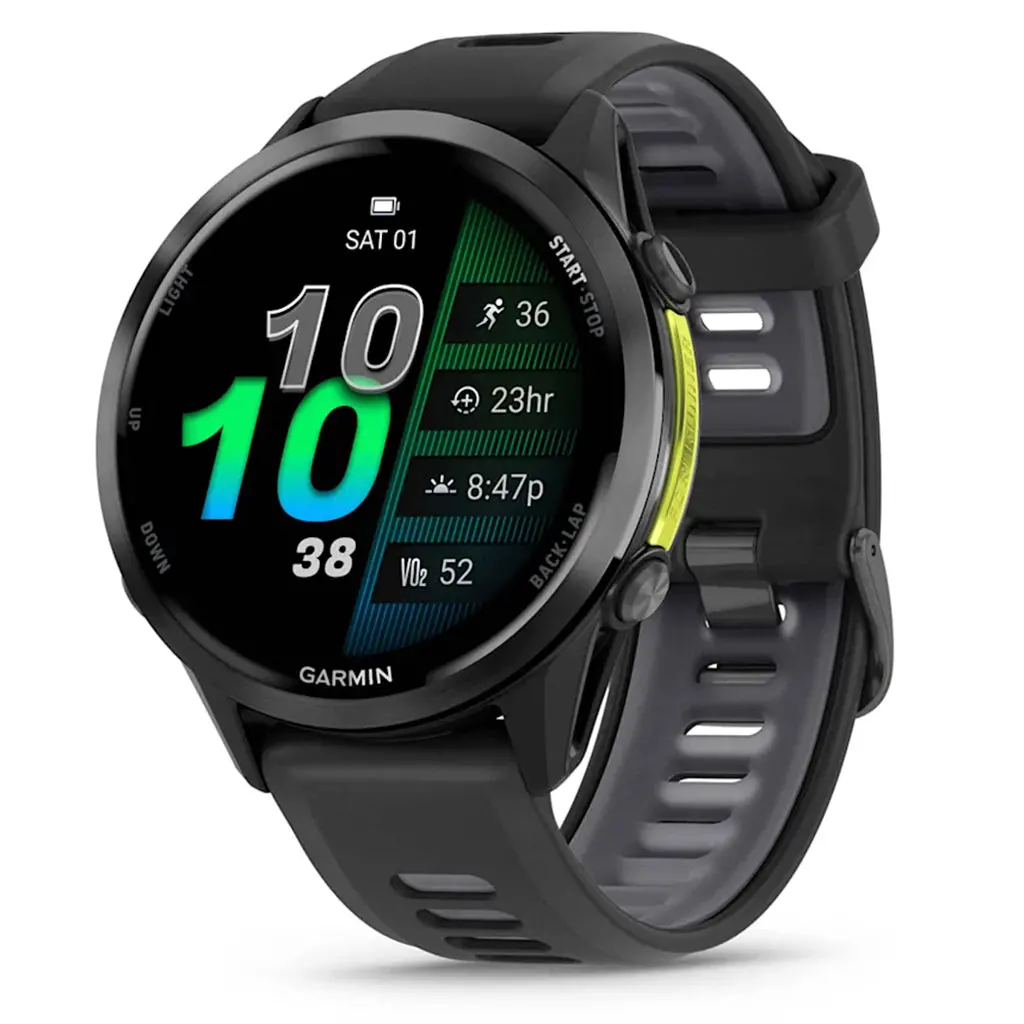
Garmin Forerunner 570
- up to 14 h All-Systems multi-band (47 mm); 18 h GPS-only — Garmin figures via the5krunnerGPS battery life in the most accurate published mode
- €440retail price
Details+
The5krunner's best overall running watch for its training software, but on paper the shortest multi-band battery in the ranking (14 h) and no maps.
- Strengths
- Two sizes: 42 g and 50 g
- Multi-band GNSS with SatIQ
- Music storage for Spotify, Amazon, Deezer, YouTube Music
- Best overall pick in the5krunner's 2026 guide
- Weaknesses
- 14 h multi-band — shortest multi-band figure here
- No onboard maps, breadcrumb only
- No numeric accuracy test seen by us
- Gorilla Glass 3, not sapphire
6.8 / 10acceptable
-
Amazfit Cheetah 2 Pro
- up to 31 h in Accurate GPS mode (dual-band hardware) — published by AmazfitGPS battery life in the most accurate published mode
- €420retail price
Details+
Titanium, sapphire, 3,000-nit AMOLED, 32 GB with maps and a torch, 20-day typical battery — but only 73% in the5krunner's 10-mile GPS test.
- Strengths
- 31 h Accurate GPS, 69 h Power Saving (Amazfit)
- Titanium, sapphire, 3,000 nits
- Offline maps and 32 GB storage
- Up to 20 days typical use
- Clear not-a-medical-device statement
- Weaknesses
- 73% in the5krunner's 10-mile GPS test
- HR 6 bpm low on the bike
- On-watch rerouting failed in testing
- No update period published
6.7 / 10acceptable
-
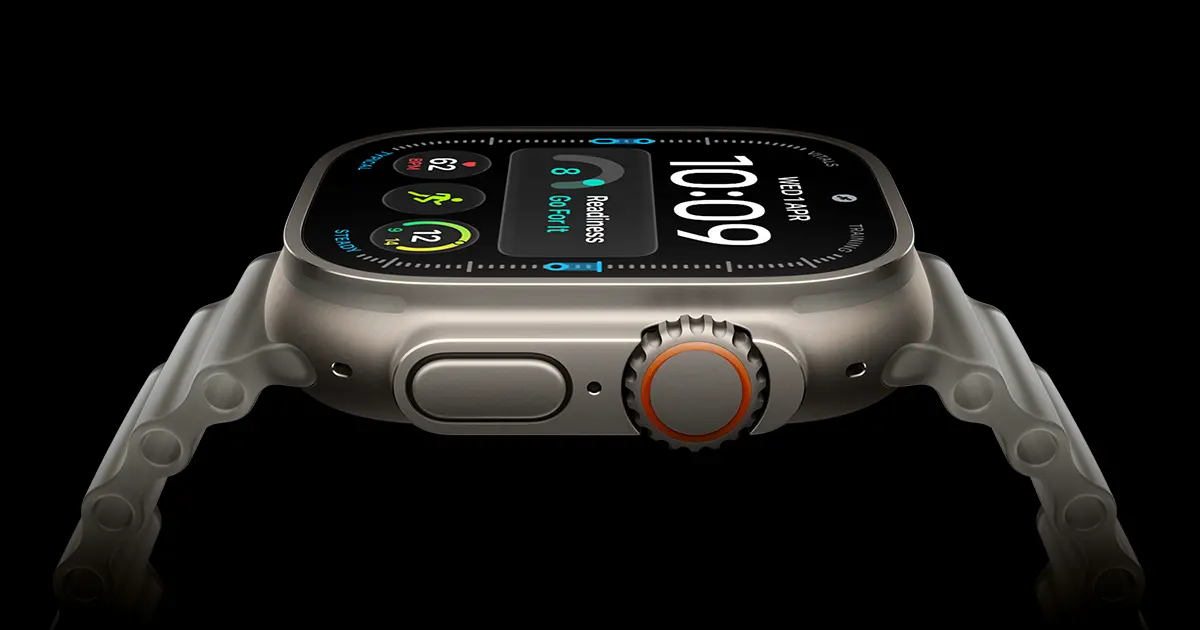
Apple Watch Ultra 4
- up to 18 h outdoor workout — published by Apple (dual-frequency L1+L5)GPS battery life in the most accurate published mode
- €899retail price
Details+
The best smartwatch here, with dual-frequency GPS, 100 m water resistance under ISO 22810:2010 and 3,000 nits — but 18 h of workout battery, iPhone-only use and €899.
- Strengths
- Dual-frequency L1+L5 GPS
- 100 m water resistance to ISO 22810:2010, EN13319 dive to 40 m
- 3,000-nit always-on OLED
- Battery test conditions disclosed in footnotes
- Weaknesses
- €899 — most expensive here
- 18 h outdoor workout in standard mode
- Requires an iPhone
- No independent Ultra 4 accuracy test published yet
- 63.0 g, heaviest here
6.0 / 10acceptable
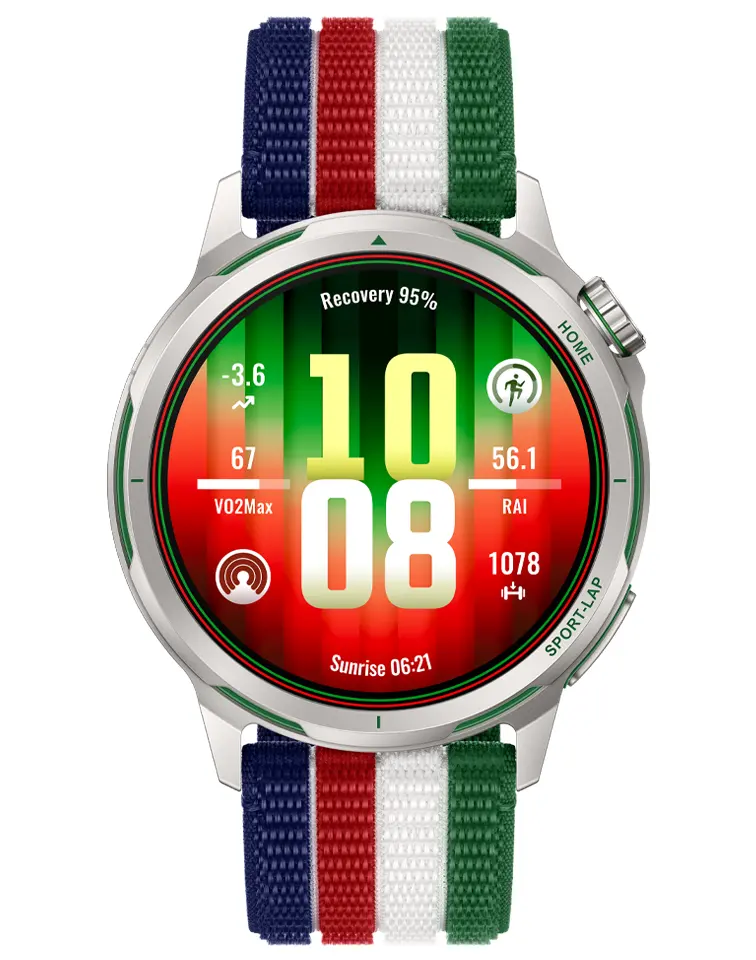
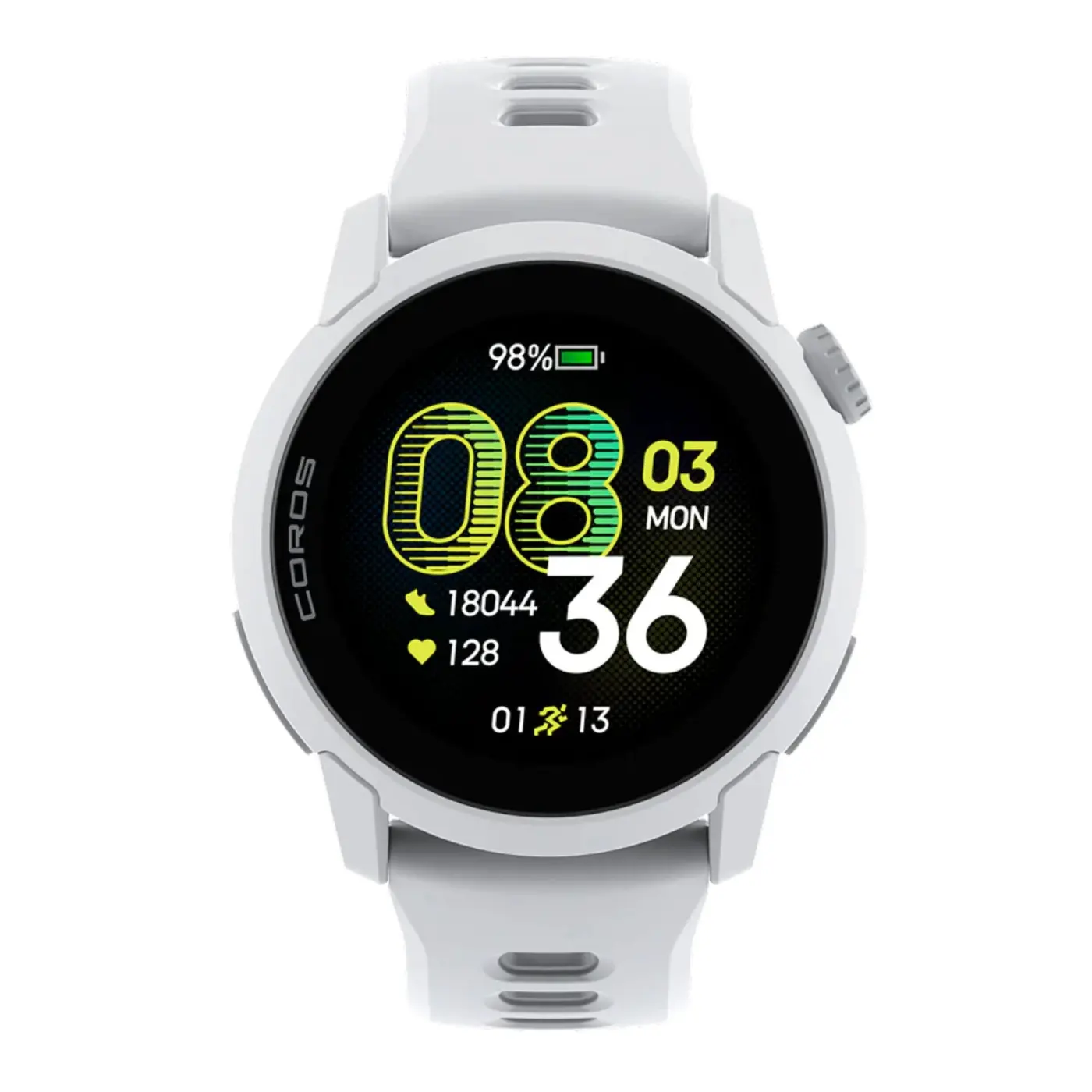
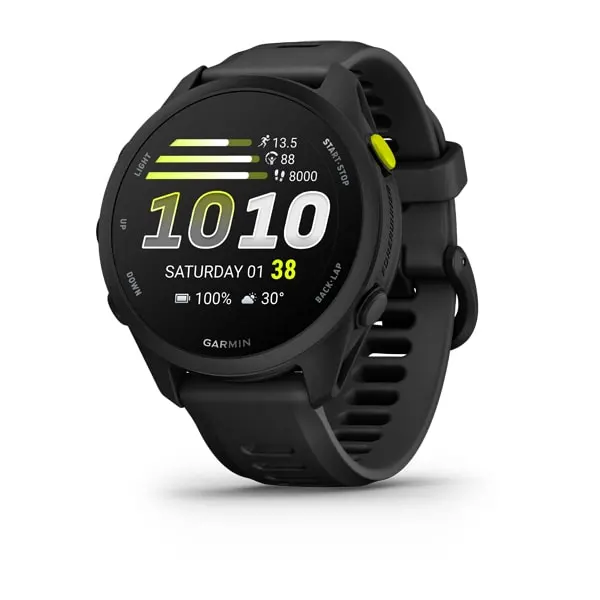
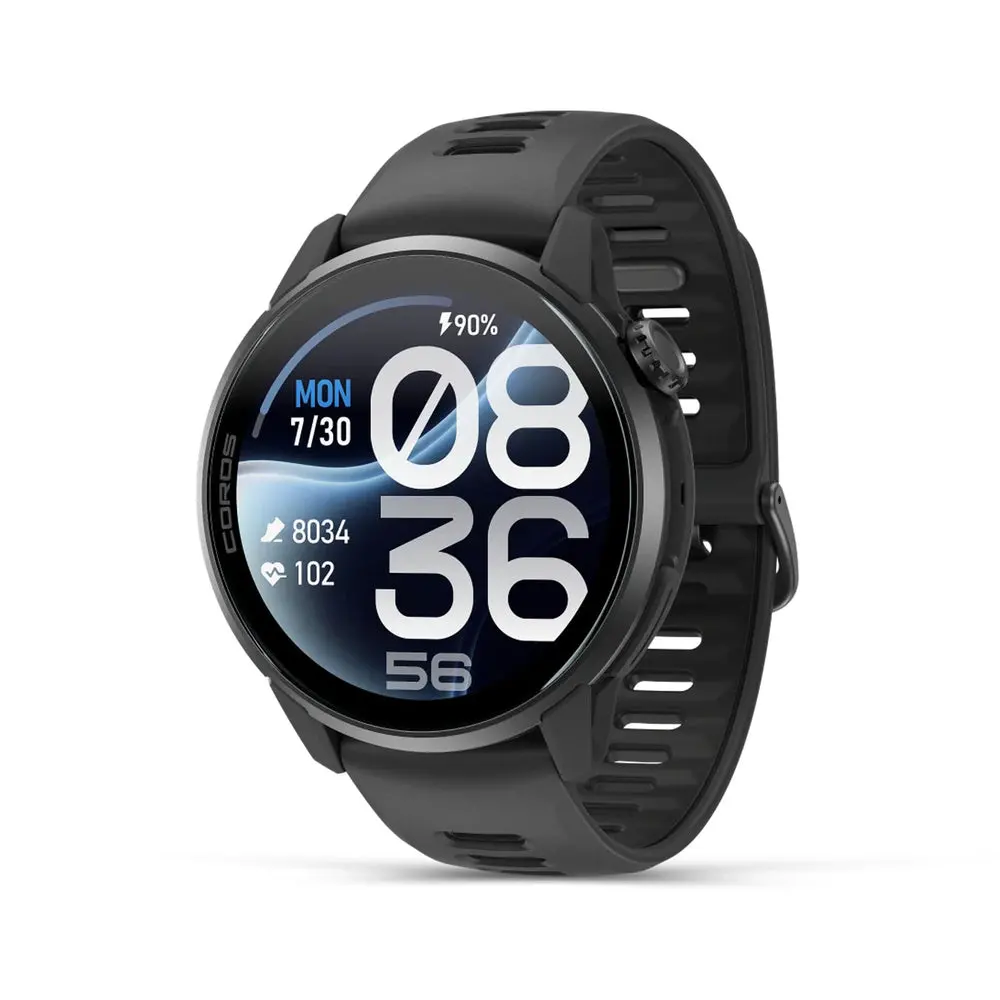
Scores comparable only within this categorySignificance threshold: ±0.15 pt
7.8 Our verdict
The Suunto Run 2 tops the ranking because it is the only model that combines a clearly stated multi-band battery figure (24 h dual-band), a full independent review with strong numbers (heart rate within 1 bpm, 90% in a 10-mile GPS test) and free offline maps at €299. The Huawei Watch GT Runner 2 matches it on test evidence and has the most explicit GNSS specification here, but Huawei does not say which mode its 32-hour figure uses and iPhone support is weaker. The COROS PACE 4 is the value pick: 41 h all-systems, maps since September 2026, €269, but no published accuracy test yet. Garmin's Forerunner 170 has the best-documented wrist heart rate among the cheap watches, yet no multi-band GPS. For ultra distances, the COROS PACE 4 Pro publishes 40 h in dual-frequency mode, almost three times the Forerunner 570's 14 h. The Apple Watch Ultra 4 is the most complete smartwatch, but at €899 with 18 h of workout battery and no independent test of the new model it ranks last for runners.
GNSS explained
Single-band versus multi-band (L1+L5): what you are paying for
Every watch here can use several satellite systems (GPS, Galileo, BeiDou, QZSS and often GLONASS). The difference that matters in 2026 is frequency. Single-band receivers listen only on L1; multi-band (also called dual-frequency or dual-band) receivers add L5/E5a, whose signal structure makes it easier to reject reflections from buildings and cliffs. That is why the5krunner measured the multi-band Huawei GT Runner 2 at its best in urban canyons, while the single-band Garmin Forerunner 170 was +40 m out in the same kind of environment.
Multi-band is not a guarantee. The5krunner's Polar Vantage M3 review found tracks that looked fooled by reflections despite dual-frequency, and the Amazfit Cheetah 2 Pro scored 73% in a 10-mile test on dual-band hardware. Antenna design and software filtering matter as much as the chip.
| Watch | Multi-band | Most accurate mode, hours |
|---|---|---|
| COROS PACE 4 Pro | Yes | 40 (MAX) |
| Huawei GT Runner 2 | Yes | 32 (mode not stated) |
| COROS PACE 4 | Yes | 31 |
| Amazfit Cheetah 2 Pro | Yes | 31 (Accurate GPS) |
| Polar Vantage M3 | Yes | 27 (mode not stated) |
| Suunto Run 2 | Yes | 24 |
| Garmin Forerunner 970 | Yes | 21 |
| Apple Watch Ultra 4 | Yes | 18 (outdoor workout) |
| Garmin Forerunner 570 | Yes | 14 |
| Garmin Forerunner 170 | No | 14 (All-Systems) |
Where a maker publishes no explicit multi-band figure, or does not say which mode its headline number uses, we note it in the table; those figures may not be directly comparable.
Battery claims
Smartwatch days versus GPS hours, AMOLED versus MIP
Box claims usually lead with smartwatch days: 21 days for the COROS PACE 4 Pro, 20 for the Amazfit Cheetah 2 Pro, 10 for the Suunto Run 2. Those figures assume a few workouts a week, screen off most of the time and no GPS. For a runner the useful number is GPS hours, and within that the mode. COROS's PACE 4 falls from 41 h in all-systems to 31 h in dual-frequency, according to the5krunner's spec sheet; Garmin's Forerunner 970 from 26 h GPS-only to 21 h multi-band.
Always-on display costs a lot. The5krunner reports the PACE 4 dropping from 19 days to 6 days of daily use with always-on, and from 41 h to 30 h in high GPS mode; Garmin's Forerunner 170 falls from 10 days to 4 days. Music playback costs more again: the Forerunner 570 is rated 8 h GPS with music against 18 h without.
All ten watches in this ranking use AMOLED or OLED screens. None uses a transflective MIP display; the5krunner's headline on the Forerunner 170 launch notes that Garmin dropped MIP on that model. AMOLED is easier to read indoors and in colour, but needs to be bright (2,000–3,500 nits here) to compete with MIP in direct sun.
Makers rarely disclose test conditions. Apple's footnote does (notifications, two 60-minute workouts with music, sleep tracking); Huawei's describes screen wake-ups and prompts but not the positioning mode. Treat every figure as a laboratory best case.
Heart rate and metrics
Optical heart rate, VO2max and training load are estimates
Every watch here measures heart rate optically at the wrist. Independent testing shows how variable that is. The5krunner measured a −0.1 bpm bias for the Garmin Forerunner 170 at parkrun and a mean bias of 0.0 bpm for the Suunto Run 2 against chest straps, but found the Polar Vantage M3's sensor inconsistent in intervals, the Amazfit Cheetah 2 Pro 6 bpm low on the bike, and early PACE 4 Pro testers reported cadence lock, where the sensor follows step rate instead of pulse.
Makers are cautious in their own wording. Amazfit states that the product and the Zepp app are not medical devices and cannot be used for diagnosis; Polar notes that its temperature feature is not intended for medical purposes. Huawei's specification page lists an ECG sensor but we found no equivalent disclaimer there.
VO2max, training load, recovery time, race predictions and readiness scores are model outputs built on heart rate, pace and sometimes heart-rate variability. None of the makers' pages we opened publishes a validation error for these numbers. They are useful for spotting trends in your own data, but two brands will give you different VO2max figures for the same fitness, and a bad heart-rate reading feeds straight into the load calculation.
For interval sessions and anything zone-based, the5krunner's advice — repeated in its Forerunner 970 review — is that a chest strap remains the gold standard. Check sensor compatibility before buying: the5krunner lists missing ANT+ support as a drawback on the PACE 4 Pro.
Hardware details
Water resistance, maps, music and weight
Water resistance. The other eight watches are simply rated 5 ATM or WR50. Only Huawei and Apple tie their rating to the international standard for water-resistant watches, ISO 22810:2010: 5 ATM for the GT Runner 2 and 100 m for the Ultra 4, both also listing EN13319 for recreational diving to 40 m. A 5 ATM rating covers swimming and rain; it does not mean the watch is a dive computer.
Maps. Full on-watch maps are now available well below €500: the Suunto Run 2 (free offline maps), the COROS PACE 4 (added by firmware in September 2026) and the Polar Vantage M3 (offline maps with komoot guidance). In Garmin's Forerunner line, the5krunner reports, only the Forerunner 970 has full colour maps; the 170 and 570 show a breadcrumb line only. Rerouting is another matter: the5krunner found it did not work on the Cheetah 2 Pro, and the Polar has none.
Music. Garmin is the only brand here with offline Spotify and other streaming-service playlists (Forerunner 170 Music, 570, 970). COROS and Suunto play stored MP3 files; Huawei plays MP3 files through a built-in speaker, per the5krunner.
| Watch | Weight as published |
|---|---|
| COROS PACE 4 | 32 g (nylon band) |
| Huawei GT Runner 2 | 34.5 g (no strap) |
| Suunto Run 2 | 35 g (watch body) |
| Garmin Forerunner 170 | 41 g |
| Garmin Forerunner 570 | 42 g / 50 g |
| COROS PACE 4 Pro | 43 g (nylon band) |
| Amazfit Cheetah 2 Pro | 45.6 g (no strap) |
| Polar Vantage M3 | 53 g (with band) |
| Garmin Forerunner 970 | 56 g (no band) |
| Apple Watch Ultra 4 | 63.0 g |
Note that makers weigh differently — with or without strap — so differences of a few grams are not comparable.
Marketing decoded
Subscriptions, updates, independent tests and what is not published
Subscriptions. Polar describes Polar Flow as 100% free with no hidden fees. Amazfit's EU page presents Zepp Coach adaptive plans as included. Garmin, per the5krunner's Forerunner 970 review, has started placing some features behind a Connect+ subscription, currently of limited value; Garmin's own Connect+ page did not load for us, so we cannot list its price or contents. Check what is free before you buy into an ecosystem.
Software updates. None of the ten makers publishes a minimum software-support period on the product pages we opened. Updates can add real features — the COROS PACE 4 gained maps about ten months after launch — but they are not promised.
Independent tests. We read the5krunner's reviews first-hand; they include numerical GPS and heart-rate comparisons against reference devices for the Suunto Run 2, Huawei GT Runner 2, Garmin Forerunner 170 and Amazfit Cheetah 2 Pro, a qualitative assessment of the Forerunner 970 and Polar Vantage M3, and only first thoughts on the COROS PACE 4 Pro. DC Rainmaker and Stiftung Warentest pages could not be fetched in this run, and Which? results are visible only to members, so we cite no grades from them.
Marketing decoded. "Up to" battery figures are best cases; "most accurate GPS yet" (Apple, Ultra 4) had not been independently tested when we checked; "dual-band" says nothing about how well the antenna and software use it; and a VO2max number is an estimate, not a lab result.
Methodology
How this score is built
The score is the mean of four component scores — each carries equal weight and each rests on a named source. The full procedure is described in the methodology.
01Composition and specification
Declared composition and specification: active ingredients and their concentrations, energy classes, standards, technical parameters — and what the manufacturer leaves unsaid.
02Evidence and studies
Verification of the manufacturer's claims against outside sources: laboratory reports, industry testing, safety data sheets, certificates and regulatory decisions.
03Owner feedback
Analysis of verified reviews written after extended use, together with recurring fault reports for the model or series.
04Cost and value
Price set against what the product actually delivers, plus costs incurred later — consumables, energy, servicing, subscriptions — over the lifespan typical for the category.
FAQ
Frequently asked questions
Do I need multi-band (L1+L5) GPS for running?+
Not for open roads and parks, where single-band watches such as the Garmin Forerunner 170 were within a few metres in the5krunner's tests. It helps most among tall buildings, in deep valleys and under dense tree cover, where reflections cause errors.
Which watch has the longest battery in multi-band mode?+
The COROS PACE 4 Pro, rated by COROS at up to 40 hours in MAX (dual-frequency) mode. Huawei quotes 32 hours for the GT Runner 2 but does not say which GNSS mode was used.
Is wrist heart rate accurate enough for training?+
For steady runs, the better sensors here were within about 1 bpm of a chest strap in the5krunner's tests. For intervals, cycling and strength work, errors grow; use a chest strap if you train by zones.
Are VO2max and training-load figures reliable?+
They are estimates from proprietary models. No maker we checked publishes their error margin, and figures differ between brands. Use them for trends, not as lab values.
What does 5 ATM mean?+
It is a pressure rating suitable for swimming and showering. Huawei and Apple link their ratings to ISO 22810:2010; the other makers state only 5 ATM or WR50. None of the 5 ATM watches is a dive computer.
Do these watches need a subscription?+
Core training features work without one. Polar says Polar Flow is free; Garmin has begun adding some features to its paid Connect+ tier, according to the5krunner.
How long will my watch receive software updates?+
None of the ten makers publishes a guaranteed update period on its product pages. Past behaviour varies, so treat any future feature as a bonus rather than a promise.
Is an Apple Watch Ultra 4 a good running watch?+
It has dual-frequency GPS and an excellent screen, but works only with an iPhone, costs €899 and lasts 18 hours in standard outdoor workout mode. No independent accuracy test of the Ultra 4 had been published when we checked.
Sources
Documents and standards
- 1. the5krunner — Best Running Watch 2026 guide — https://the5krunner.com/best/best-sports-watch/best-running-watch/
- 2. the5krunner — Best Garmin Forerunner — https://the5krunner.com/best/best-garmin-watch/best-garmin-forerunner/
- 3. the5krunner — Garmin Forerunner 170 review — https://the5krunner.com/2026/08/27/garmin-forerunner-170-review/
- 4. the5krunner — Forerunner 70/170 launch — https://the5krunner.com/2026/05/12/forerunner-70-170-launch/
- 5. the5krunner — Garmin Forerunner 570 specs — https://the5krunner.com/specs/garmin/forerunner-570/
- 6. the5krunner — Garmin Forerunner 970 specs — https://the5krunner.com/specs/garmin/forerunner-970/
- 7. the5krunner — Garmin Forerunner 970 review — https://the5krunner.com/2025/07/28/garmin-forerunner-970-review/
- 8. the5krunner — COROS Pace 4 Pro review — https://the5krunner.com/2026/09/26/coros-pace-4-pro-review-opinion/
- 9. the5krunner — COROS Pace 4 specs — https://the5krunner.com/specs/coros/pace-4/
- 10. the5krunner — Coros vs Garmin: Pace 4 adds maps — https://the5krunner.com/2026/09/04/coros-pace-4-maps/
- 11. the5krunner — Suunto Run 2 review — https://the5krunner.com/2026/09/08/suunto-run-2-review/
- 12. the5krunner — Polar Vantage M3 review — https://the5krunner.com/2024/10/23/polar-vantage-m3-review-pros-cons/
- 13. the5krunner — Huawei Watch GT Runner 2 accuracy review — https://the5krunner.com/2026/02/26/huawei-watch-gt-runner-2-review/
- 14. the5krunner — Amazfit Cheetah 2 Pro review — https://the5krunner.com/2026/05/16/amazfit-cheetah-2-pro-review/
- 15. the5krunner — Apple Watch Ultra 4 upgrade guide — https://the5krunner.com/apple-watch/ultra-4-upgrade-guide/
- 16. COROS — PACE 4 — https://coros.com/pace4
- 17. COROS — PACE 4 Pro — https://coros.com/pace4pro
- 18. Suunto — Suunto Run 2 — https://www.suunto.com/Products/sports-watches/suunto-run-2/suunto-run-2-all-black-4gb/
- 19. Polar — Vantage M3 — https://www.polar.com/en/vantage/m3
- 20. Huawei — WATCH GT Runner 2 specifications — https://consumer.huawei.com/en/wearables/watch-gt-runner-2/specs/
- 21. Amazfit EU — Cheetah 2 Pro — https://eu.amazfit.com/products/cheetah-2-pro
- 22. Apple — Apple Watch Ultra 4 technical specifications — https://www.apple.com/uk/apple-watch-ultra-4/specs/
- 23. Apple Germany — Apple Watch kaufen (prices) — https://www.apple.com/de/shop/buy-watch/apple-watch-ultra
- 24. Garmin — Forerunner 70 | 170 — https://www.garmin.com/en-GB/p/1941179/
- 25. kieskeurig.nl — Garmin Forerunner price listings — https://www.kieskeurig.nl/search?q=garmin+forerunner
More
Other rankings
in
Sports & outdoor.
Each category has its own protocol and its own key parameter.