Sports & outdoorAnalysis 126
Best Fitness Trackers
Three things are true of every tracker in this ranking, and no manufacturer puts them on the box.
Heart rate is the only number these devices measure well. The best wrist sensors here sit within 1–2% of an ECG chest strap at steady effort. That is genuinely good.
Calories are not measured at all — they are estimated, and the estimate is close to useless. The Stanford study that remains the reference point for this category (Shcherbina et al., 2017, seven devices, 60 participants) found heart rate within 5% on the best devices while energy-expenditure error ranged from 27% to 93%. No device came close. Nothing since has fixed it, because the problem is not the sensor — it is that calorie burn cannot be derived from wrist optics and an accelerometer.
Sleep staging is a coin toss with better graphics. Against polysomnography, agreement on sleep stages runs at Cohen's κ between roughly 0.21 and 0.53 across current devices. κ = 0.5 is "moderate". These devices detect sleep versus wake fairly well; the four-colour stage chart is largely inference.
And a finding that should be better known: a 2025 PLOS ONE analysis reported that PPG error associated with darker skin tone roughly triples during exercise compared with rest. Green-light optical sensing is absorbed by melanin. If that describes you, a chest strap is not an accessory — it is the measurement.
Methodology note
What this ranking is based on. Published validation studies comparing wrist sensors with ECG or chest straps; manufacturer specifications for battery, sensors, GNSS and regulatory class; and current European retail prices.
Limitations you should weigh. Validation studies rarely test the exact model on sale — several figures here come from the immediately preceding generation and are labelled as such. Study protocols differ (treadmill, cycling, daily wear), so MAPE figures are not perfectly comparable between devices. Prices move constantly in this category; check before buying.
What we did not test. We wore none of these devices and ran no comparison against an ECG ourselves. Every accuracy figure here is somebody else's measurement, and we name whose.
What we could not verify. Sleep-stage κ values are not published for every device here — where they are missing we say so rather than estimating. Skin-tone performance is not published per-device by any manufacturer in this ranking.
 8.9BPR score
Key parameter
Measured heart-rate accuracy against an ECG chest strap
How far the wrist optical sensor drifts from a chest strap or clinical ECG in published validation work, reported as mean absolute percentage error (MAPE) or mean deviation in bpm. A MAPE under 3% is normally treated as acceptable in the validation literature. Where a figure comes from steady-state cycling rather than running or interval work, that is stated — accuracy collapses in exactly the conditions the marketing photographs show.
-
Top score
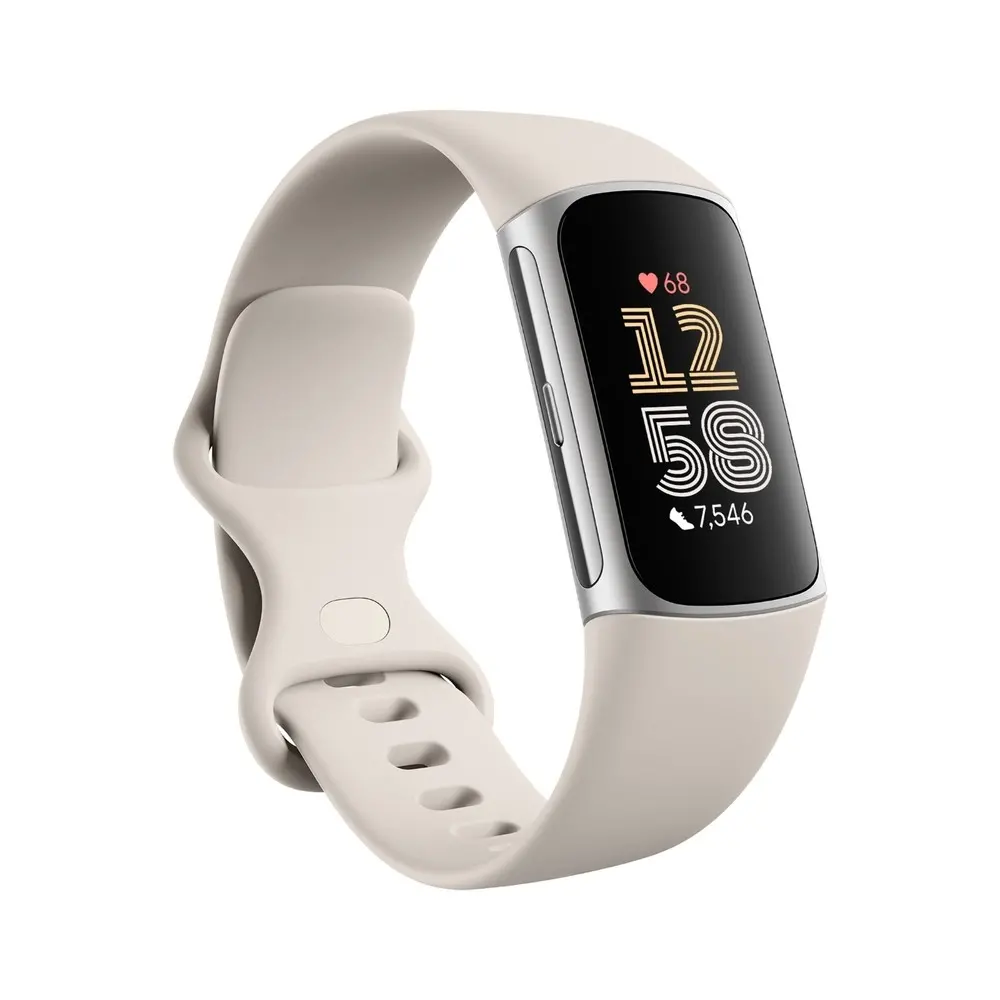
Fitbit (Google) Fitbit Charge 6
- ~1% deviation vs Polar H10 chest strapMeasured heart-rate accuracy against an ECG chest strap
- €85retail price
Details+
Chest-strap-class heart-rate accuracy from a wrist band at around €85, with a CE-marked ECG feature and the ability to pair an external chest strap.
- Strengths
- ~1% heart-rate deviation vs a Polar H10 chest strap
- CE-marked ECG feature at around €85
- Pairs with an external Bluetooth chest strap — rare at any price
- Up to 7 days battery
- EDA sensor for stress tracking
- Weaknesses
- Single-band GPS — drifts in cities and woodland
- Key features including Daily Readiness sit behind Fitbit Premium
- Small display
- No user-replaceable battery (wearables were granted a derogation on 14 July 2026)
8.9 / 10good
-
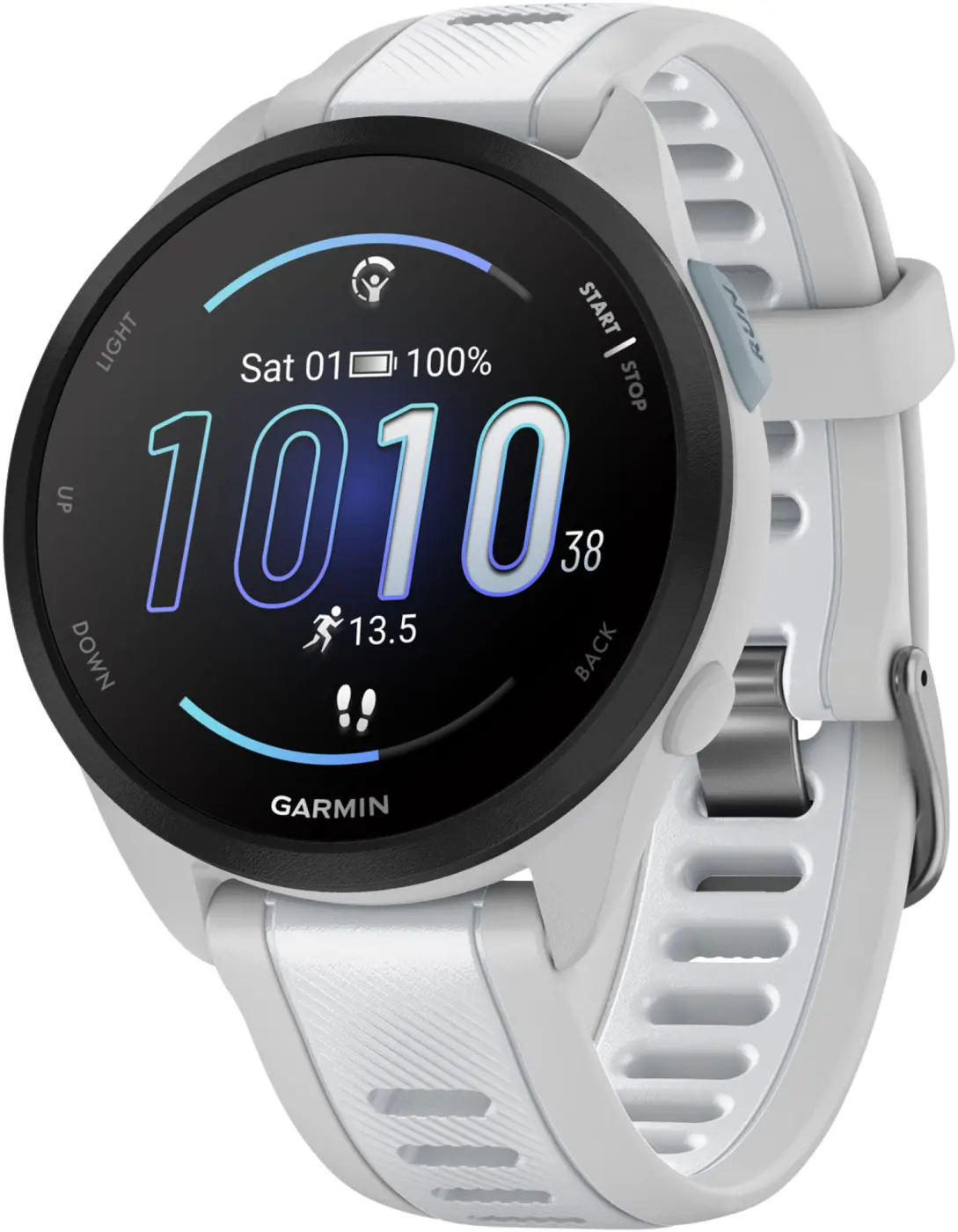
Garmin Garmin Forerunner 165
- Multi-band GNSS; Elevate v4 optical sensorMeasured heart-rate accuracy against an ECG chest strap
- €190retail price
Details+
The running watch in this ranking — multi-band satellite positioning, genuine training-load analysis and two weeks of battery, with no subscription.
- Strengths
- Multi-band GNSS — accurate pace in cities and woodland
- Full training load, recovery and race-prediction suite with no subscription
- Up to 11 days battery, ~19 hours with GPS active
- Pairs with ANT+ and Bluetooth chest straps
- AMOLED display
- Weaknesses
- No ECG feature
- Always-on display cuts battery life sharply
- Interface takes a couple of weeks to learn
- No user-replaceable battery
8.8 / 10good
-
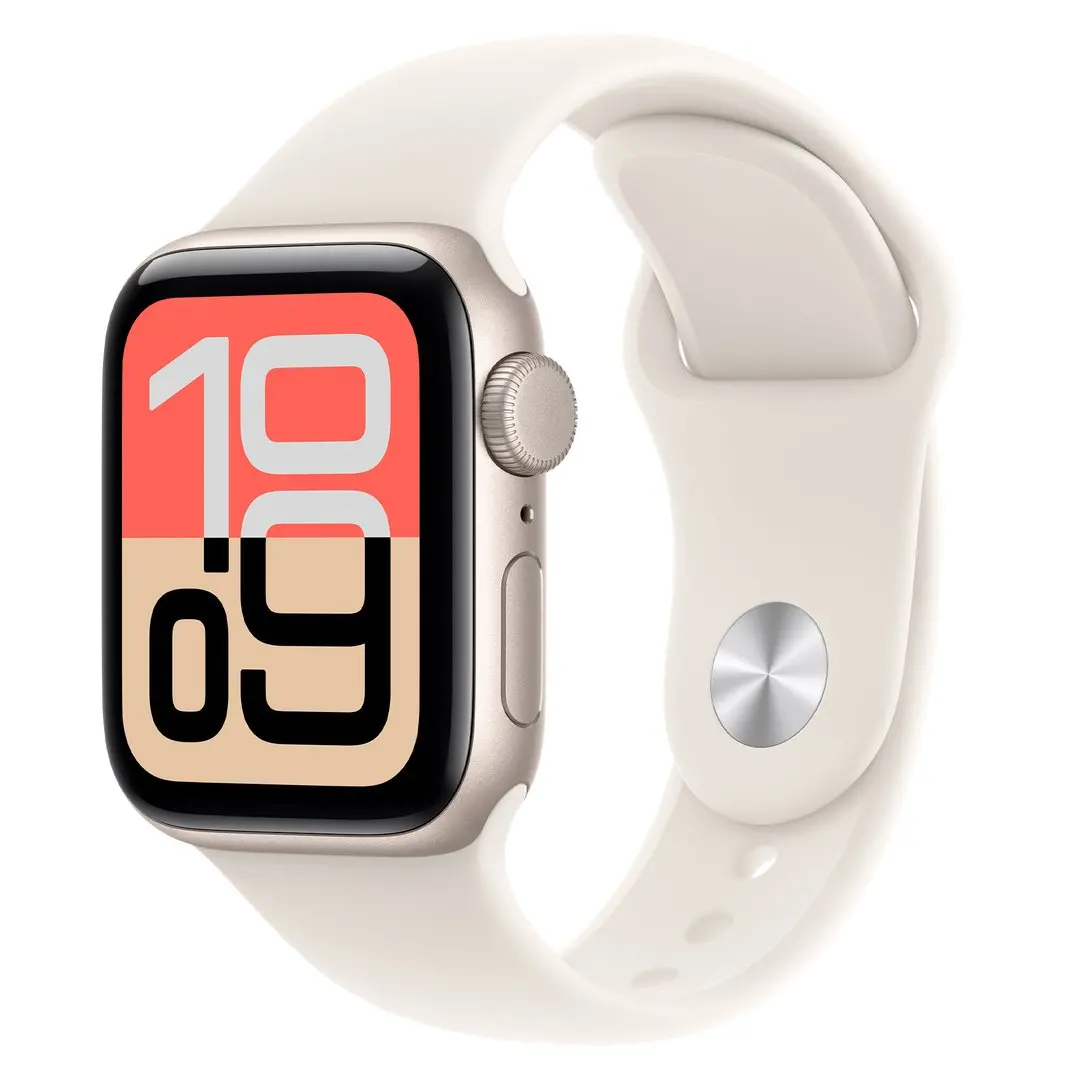
Apple Apple Watch SE 3
- MAPE 1.09–1.56%; sleep staging κ = 0.53Measured heart-rate accuracy against an ECG chest strap
- €269retail price
Details+
The most accurate device in this ranking on both heart rate and sleep staging — and the only one where the sleep chart is worth more than a glance.
- Strengths
- MAPE 1.09–1.56% — the most accurate heart rate here
- Sleep staging κ = 0.53, the best published for any consumer wearable
- ECG and crash detection
- The strongest app ecosystem in the category
- Weaknesses
- iPhone only — no Android support of any kind
- ~18 hours battery: sleep tracking requires a daytime charge
- €269 — three times the Fitbit for a modest accuracy gain
- No blood-oxygen sensor on the SE line
- No user-replaceable battery
8.6 / 10good
-
Huawei Huawei Watch Fit 4
- Cheapest dual-band GNSS in this rankingMeasured heart-rate accuracy against an ECG chest strap
- €102retail price
Details+
Dual-band satellite positioning at around €102 — a specification that otherwise starts near €190 — with a week of real battery life.
- Strengths
- Dual-band GNSS at around €102 — nothing else comes close on that
- About a week of battery in mixed use
- Large, bright AMOLED display
- Strong build quality for the money
- Weaknesses
- Huawei Health app is not on the Google Play Store — sideloading needed on Android
- No published independent heart-rate validation for this generation
- No ECG feature
- Weaker third-party app and export ecosystem
8.3 / 10good
-
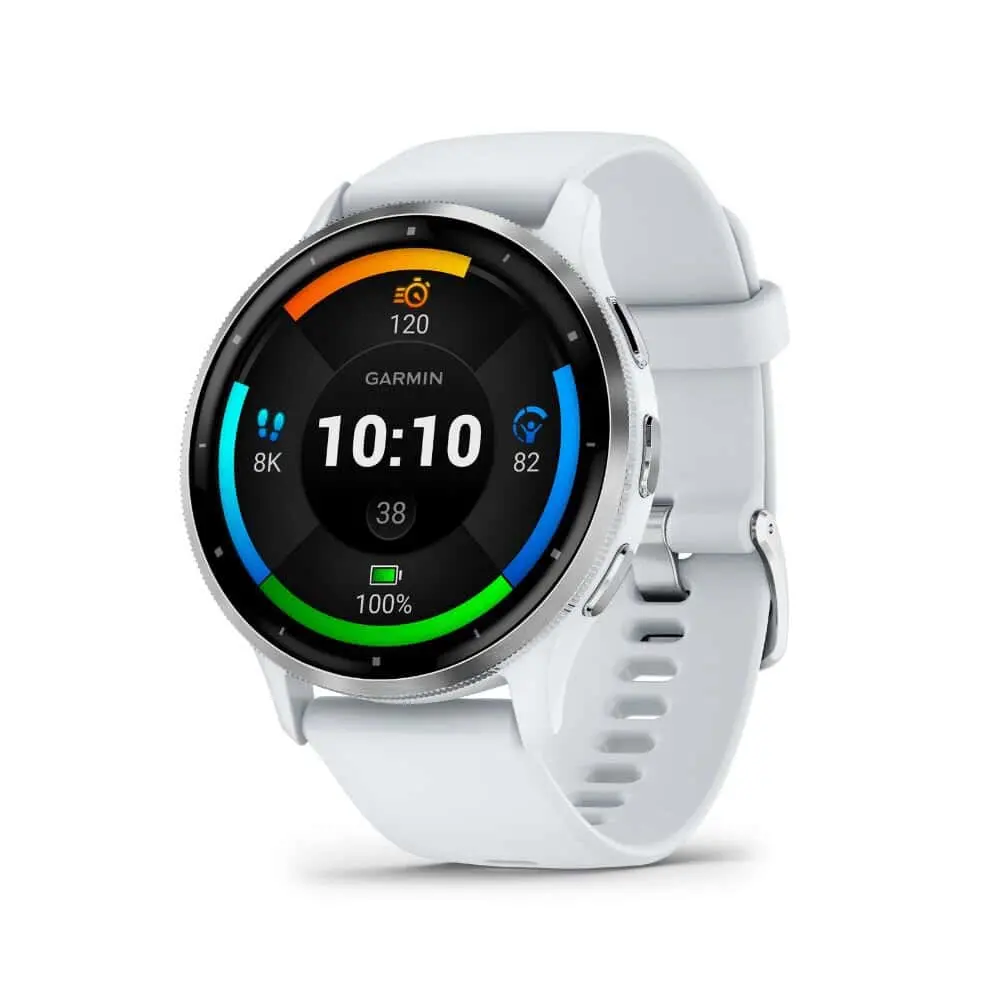
Garmin Garmin Venu 3
- ECG certified Class IIa under MDR since 15 January 2025Measured heart-rate accuracy against an ECG chest strap
- €299retail price
Details+
The most regulated device here — its ECG has been a Class IIa medical device under the EU Medical Device Regulation since January 2025 — with 14 days of battery.
- Strengths
- ECG certified Class IIa under MDR — the highest regulatory class here
- Up to 14 days battery with an AMOLED screen
- Full Garmin training and sleep suite, no subscription
- Reliable nap detection and sleep coaching
- Weaknesses
- €299 — the most expensive device in this ranking
- Single-band GNSS, despite costing more than the multi-band Forerunner 165
- Physically large
- No user-replaceable battery
8.1 / 10good
-
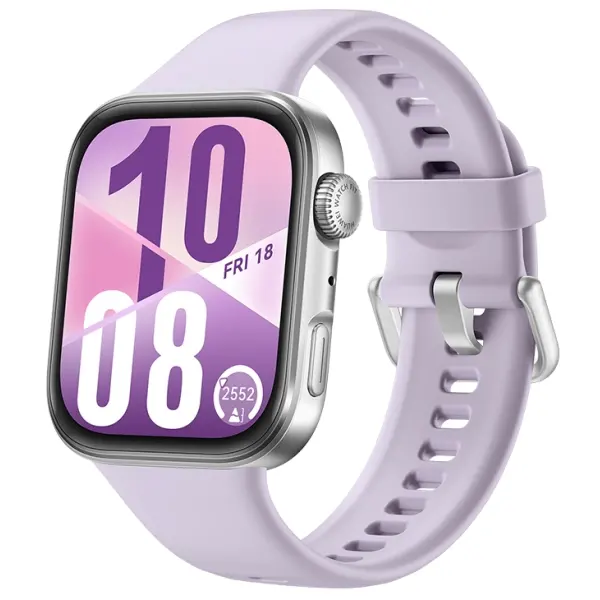
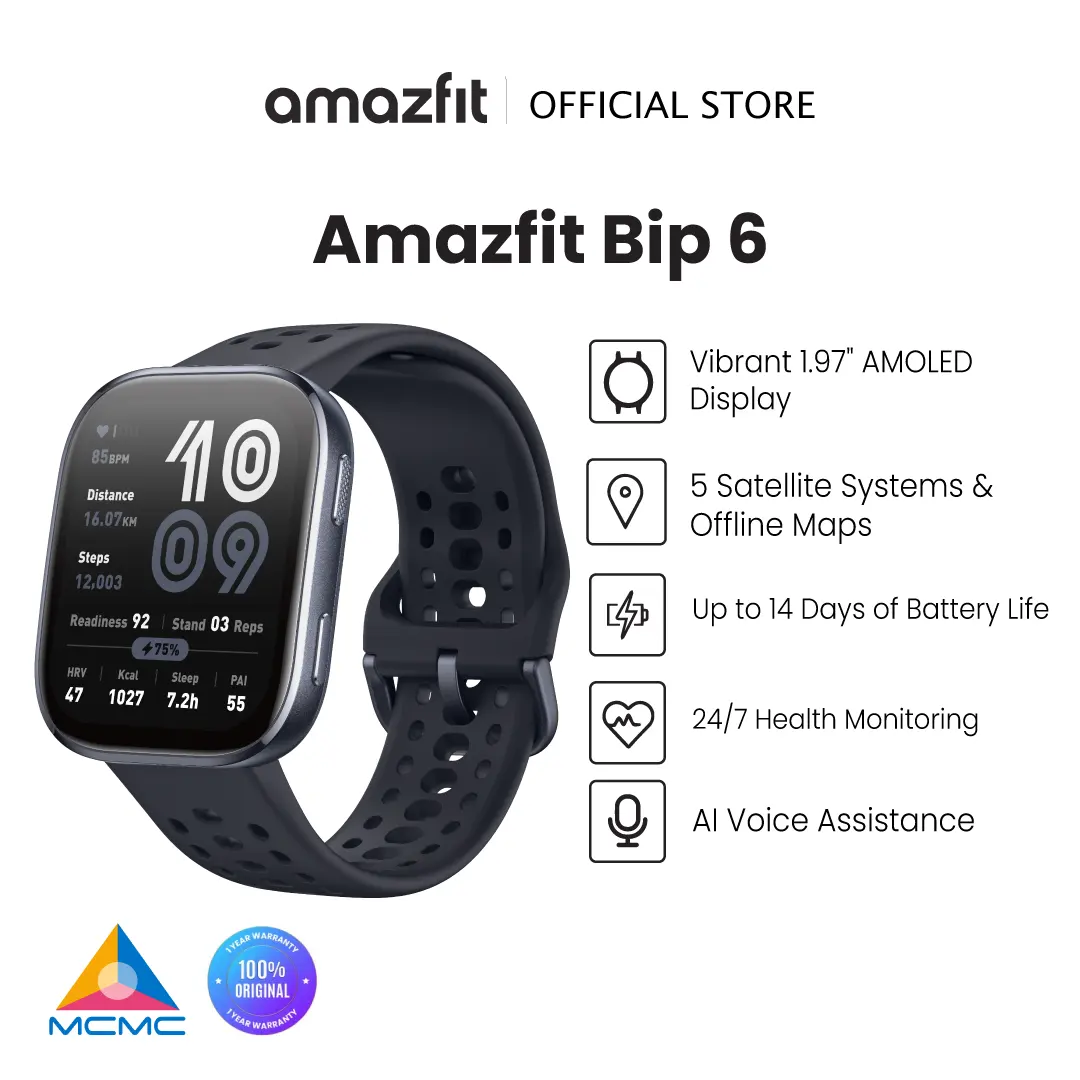
Amazfit (Zepp Health) Amazfit Bip 6
- Built-in GPS at around €69Measured heart-rate accuracy against an ECG chest strap
- €69retail price
Details+
Built-in satellite positioning and a fortnight of battery for around €69 — the cheapest device here that can record a run without your phone.
- Strengths
- Built-in GPS at around €69 — the cheapest here that has it
- About two weeks of battery
- Large, legible display
- Capable app for the price
- Weaknesses
- Single-band GPS — noticeable drift in cities
- No ECG
- No independent validation of exercise heart-rate accuracy
- Plastic build
- Limited third-party integration
8.0 / 10good
-
Best value
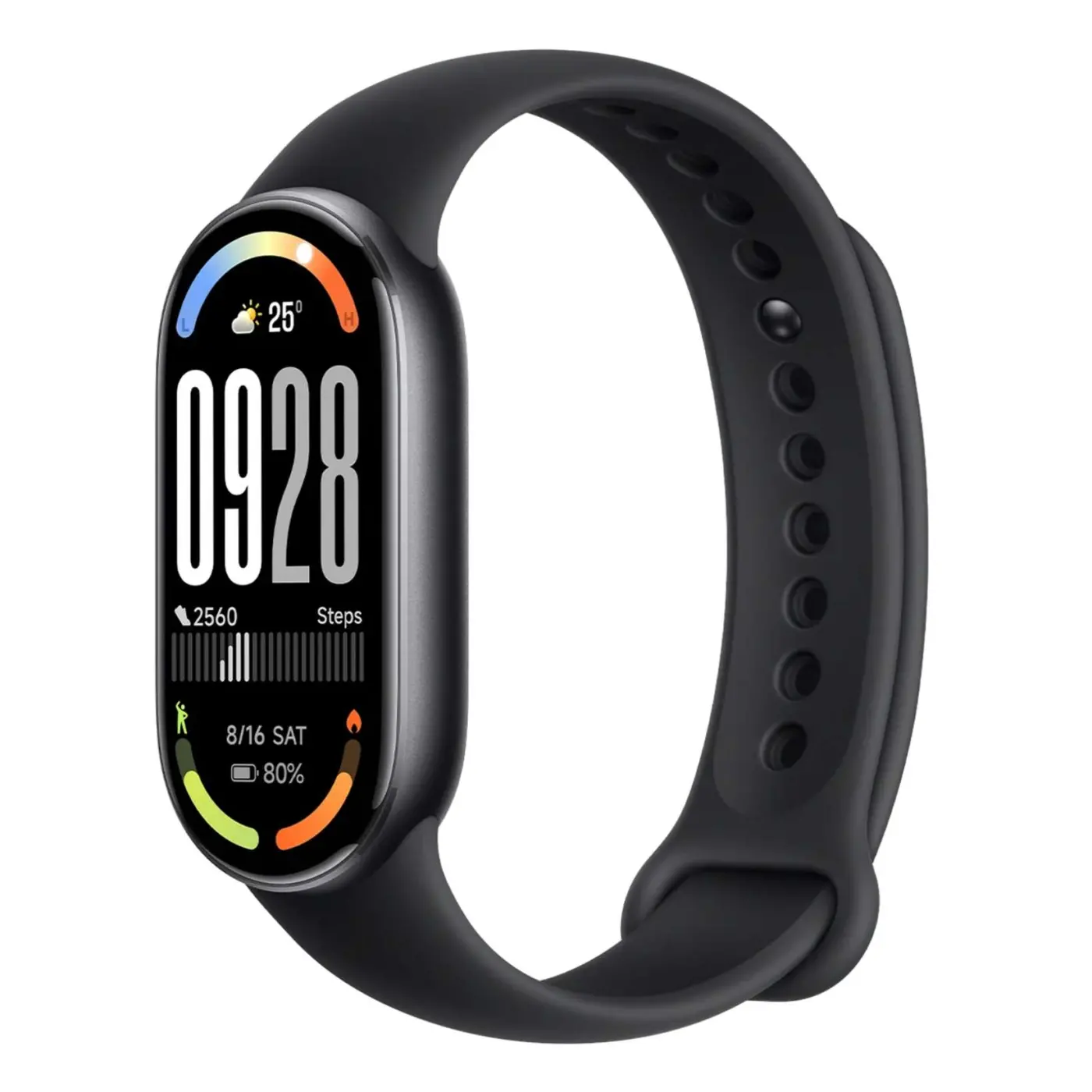
Xiaomi Xiaomi Smart Band 10
- ~21 days battery; no built-in GPSMeasured heart-rate accuracy against an ECG chest strap
- €50retail price
Details+
Three weeks of battery for around €50 — an excellent step and sleep-duration tracker, and honest about being nothing more.
- Strengths
- Around three weeks of battery
- ~€50 — the cheapest device here
- Good AMOLED display for the price
- Reliable step counting and sleep duration
- Weaknesses
- No built-in GPS — pace and distance depend on your phone
- No ECG
- No independent heart-rate validation published for this generation
- Exercise heart rate should be treated as indicative only
8.0 / 10good
-
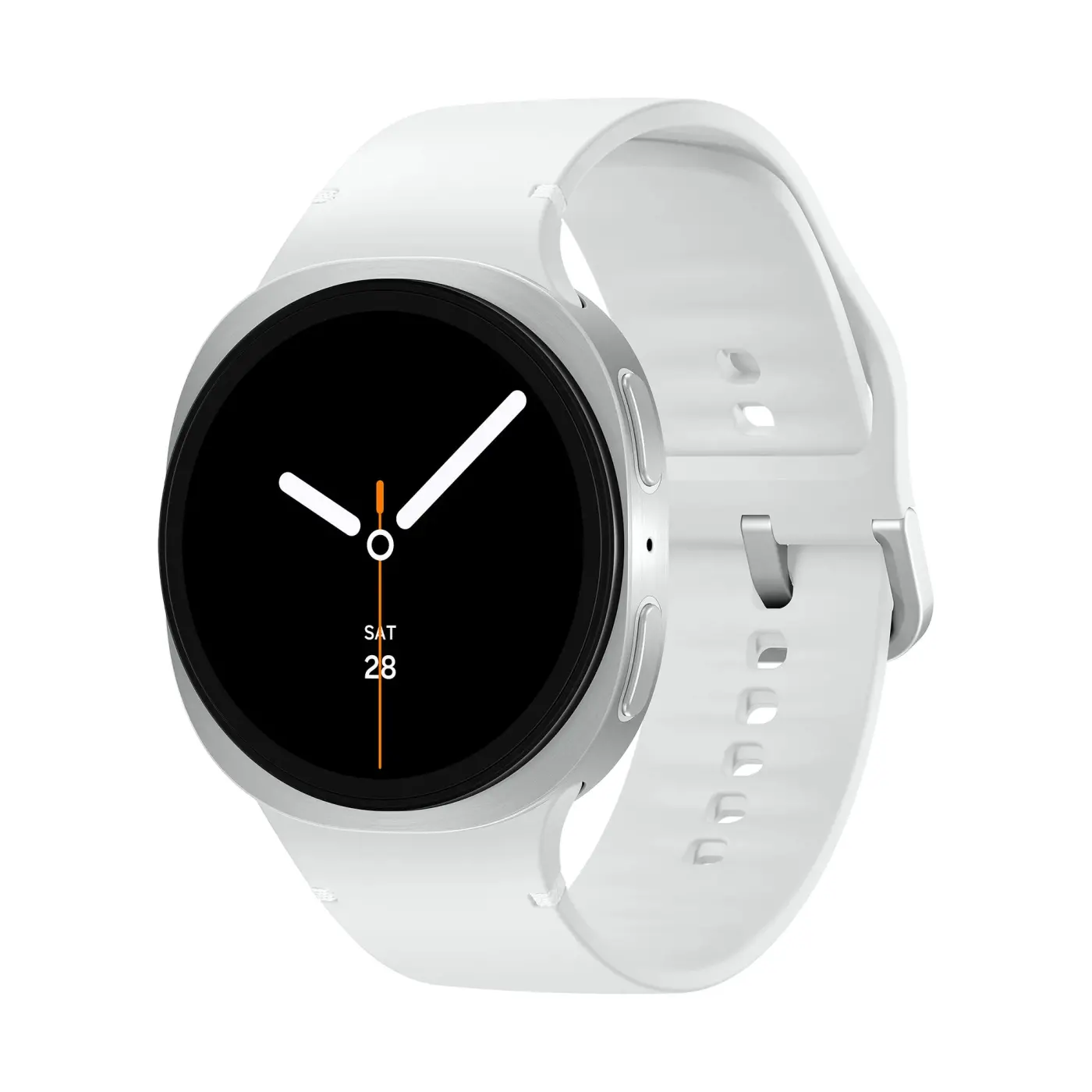
Samsung Samsung Galaxy Watch 8
- Worst heart-rate accuracy in the 2026 comparison reviewed; cadence-lock artefactMeasured heart-rate accuracy against an ECG chest strap
- €179retail price
Details+
A capable Android smartwatch with the weakest measured heart-rate performance in this ranking — listed because the feature list is genuinely strong and the sensor is genuinely not.
- Strengths
- Full Wear OS with the Google app ecosystem
- ECG, blood pressure and body composition features
- Bright AMOLED display
- Excellent integration with Samsung phones
- Supports external chest straps
- Weaknesses
- Worst measured heart-rate accuracy in the 2026 comparison reviewed
- Cadence-lock artefact during running produces plausible but wrong data
- Android only; some features need a Samsung phone
- 30–40 hours battery
- Blood-pressure feature needs cuff calibration and is not available everywhere
6.7 / 10acceptable
Scores comparable only within this categorySignificance threshold: ±0.15 pt
8.9 Our verdict
The Fitbit Charge 6 at around €85 is the pick, and it wins on the only metric that holds up. Fitbit rebuilt the heart-rate algorithm with machine learning for this generation and claims a 60% improvement in vigorous activity; independent comparisons against a Polar H10 chest strap put it around 1% deviation, which is chest-strap territory from a wrist. It carries a CE-marked ECG feature, and it will pair with a Bluetooth chest strap when you want certainty — unusual at this price.
If you are on iPhone, the Apple Watch SE 3 at €269 is the most accurate device here overall — MAPE of 1.09–1.56% in validation work and the best sleep-staging agreement anyone has published (κ = 0.53). It is three times the price and lasts a day.
For running, the Garmin Forerunner 165 at around €190 gives you multi-band GNSS, real training-load metrics and a fortnight of battery.
Two warnings. The Samsung Galaxy Watch 8 recorded the worst heart-rate accuracy in the 2026 comparison work we reviewed, with a cadence-lock artefact during running — the sensor tracking arm-swing rather than pulse, which produces a plausible-looking but wrong line. And note that wearables were granted a derogation from the EU battery-removability rule on 14 July 2026: unlike your phone, none of these will have a user-replaceable battery, so the device's life is the battery's life.
The number nobody should trust
Calorie counts are wrong by 27–93% and always have been
The reference study for this category is still Shcherbina et al. (2017) at Stanford: seven wrist devices, 60 participants, measured against indirect calorimetry and ECG. The heart-rate finding was encouraging — the best devices sat within 5%. The energy-expenditure finding was that error ranged from 27% to 93% depending on device and activity. Not one device met a reasonable accuracy threshold.
Nine years later this has not been fixed, and it will not be, because the limitation is not the sensor. Calorie burn depends on your body composition, mechanical efficiency, fitness, ambient temperature and the specific activity. A wrist device knows your heart rate, your motion, and whatever height and weight you typed in. From that it produces a number to the nearest kilocalorie — a precision that is pure interface design.
The practical rule: use the calorie figure as a relative measure, never an absolute one. "Today was harder than yesterday" is information your tracker can give you. "I burned 612 kcal" is not. If you are eating back your tracked calories, you may be eating back a number that is wrong by half.
The chart that looks like data
Sleep staging agrees with the lab about half the time
Consumer wearables are measured against polysomnography — the clinical standard, with EEG electrodes reading brain activity — using Cohen's κ, which corrects for agreement that would happen by chance. Across current devices, κ for sleep-stage classification runs from roughly 0.21 to 0.53. By convention 0.21–0.40 is "fair", 0.41–0.60 "moderate". Nothing on the consumer market reaches "substantial".
The Apple Watch SE 3's κ = 0.53 is the best figure published for any consumer wearable, and it means roughly that the four-colour breakdown is right more often than chance by a moderate margin.
What these devices do measure well is sleep versus wake, and therefore total sleep time. That is the number to act on. If your tracker says you averaged six hours this week and seven last week, believe it. If it says you got 48 minutes of deep sleep, understand that a different device on your other wrist would very likely disagree by a wide margin — and that chasing "deep sleep" figures has produced enough anxiety that clinicians have a name for it, orthosomnia.
A measurement problem the industry does not advertise
Skin tone, green light and a tripling of error during exercise
Optical heart-rate sensing works by shining green light into the skin and measuring how much comes back; blood absorbs green light, so the returning signal pulses with each heartbeat. Melanin also absorbs green light. The consequence has been documented for years, and a 2025 PLOS ONE analysis quantified it: error associated with darker skin tone roughly triples during exercise compared with at rest.
At rest, with the wrist still and good contact, most devices manage acceptably across skin tones. Add motion — which reduces the signal-to-noise ratio for everyone — and the devices with the weakest starting signal degrade fastest.
What to do about it is practical rather than political. If this affects you and heart rate matters to your training, a chest strap is not an upgrade, it is the measurement — electrical sensing via ECG is unaffected by skin tone. The Fitbit Charge 6, both Garmins and the Samsung all pair with one. A €40 chest strap plus a €50 band will out-measure a €299 watch worn alone.
Also worth knowing: wear the device a finger's width above the wrist bone and snug enough not to slide. Loose fit is the single largest controllable source of optical error, for everyone.
Regulation
What CE, MDR Class IIa and the July 2026 battery derogation actually mean
Three different regulatory statuses appear in this ranking and they are not equivalent.
A plain CE mark covers electrical safety and electromagnetic compatibility. It says nothing about whether the heart-rate reading is accurate.
A CE-marked ECG feature — the Fitbit Charge 6, the Samsung — means the atrial-fibrillation function has been through conformity assessment as a medical device. A Class IIa certification under EU Regulation 2017/745 (MDR) — the Garmin Venu 3's ECG, certified 15 January 2025 — required an independent notified body to assess the clinical evidence. That is a higher bar. Neither makes any of these a diagnostic instrument, and none of them detects a heart attack.
And a consumer-rights point that has gone largely unreported: on 14 July 2026 wearables were granted a derogation from the EU battery-removability requirement under Regulation 2023/1542. Portable batteries in most products must be user-replaceable from 18 February 2027; smartwatches and fitness bands are exempt. In practice the life of every device in this ranking is the life of its battery, typically two to four years of daily charging. Factor that into a €299 purchase.
How to choose
Decide what you are measuring before you decide what to buy
If you want to know whether you are moving more than last month: the Xiaomi Smart Band 10 at €50 does this as well as anything at €299. Steps and sleep duration are solved problems.
If you train to heart-rate zones: buy the Fitbit Charge 6 and a chest strap, or a Garmin and a chest strap. The wrist sensor is for the other 23 hours.
If you run and care about pace: multi-band GNSS is the specification to look for — the Forerunner 165 at €190, or the Huawei Watch Fit 4 at €102 if the budget is firm. Single-band GPS in a city produces pace figures that swing wildly.
If you want the best data available from a wrist and own an iPhone: Apple Watch SE 3, and accept the daily charge.
If your phone is Android and you want a smartwatch first: the Galaxy Watch 8 — with a chest strap for anything that matters.
What no tracker will do is tell you accurately how many calories you burned, diagnose a condition, or make you fitter by being worn. The devices that improve behaviour do it by making a trend visible. Choose the one whose trend you will actually look at.
Methodology
How this score is built
The score is the mean of four component scores — each carries equal weight and each rests on a named source. The full procedure is described in the methodology.
01Composition and specification
Declared composition and specification: active ingredients and their concentrations, energy classes, standards, technical parameters — and what the manufacturer leaves unsaid.
02Evidence and studies
Verification of the manufacturer's claims against outside sources: laboratory reports, industry testing, safety data sheets, certificates and regulatory decisions.
03Owner feedback
Analysis of verified reviews written after extended use, together with recurring fault reports for the model or series.
04Cost and value
Price set against what the product actually delivers, plus costs incurred later — consumables, energy, servicing, subscriptions — over the lifespan typical for the category.
FAQ
Frequently asked questions
Which fitness tracker has the most accurate heart rate?+
The Apple Watch SE 3, with a validated MAPE of 1.09–1.56%, followed very closely by the Fitbit Charge 6 at roughly 1% deviation against a Polar H10 chest strap — for a third of the price. Any chest strap beats any of them.
Are the calorie counts accurate?+
No. The Stanford validation study found energy-expenditure error between 27% and 93% across seven devices, and nothing since has solved it. Use the figure to compare one day with another, never as an absolute.
Can I trust the sleep stages?+
Trust the total sleep time. The deep/REM/light breakdown agrees with laboratory polysomnography at a Cohen's κ between about 0.21 and 0.53 depending on device — fair to moderate, never substantial.
Do I need a chest strap?+
For steady-state exercise, resting heart rate and daily tracking, no. For intervals, weights, anything where your wrist moves sharply, and for anyone whose skin tone means green-light PPG performs worse under motion — yes. It is the difference between an estimate and a measurement.
What does an ECG feature on a watch actually detect?+
Indications of atrial fibrillation, and only that. It does not detect a heart attack, and it is not a substitute for a clinical 12-lead ECG. The Garmin Venu 3's ECG holds MDR Class IIa certification, which means an independent body reviewed the clinical evidence.
Is single-band or multi-band GPS worth caring about?+
In open countryside, barely. In a city or under tree cover, considerably — single-band positioning bounces off buildings and produces pace readings that swing by 30 seconds per kilometre. Multi-band starts at around €102 here.
Will these devices have replaceable batteries under EU rules?+
No. Wearables were given a derogation from the removability requirement of Regulation 2023/1542 on 14 July 2026, so the rule that applies to phones from 18 February 2027 does not apply to them.
Is a €50 band good enough?+
For step counting, sleep duration, resting heart rate and notifications, genuinely yes. What you lose is GPS, ECG, validated exercise heart rate and training analysis. Decide whether you will use those before paying five times more.
Sources
Documents and standards
- 1. Shcherbina A. et al., 'Accuracy in Wrist-Worn, Sensor-Based Measurements of Heart Rate and Energy Expenditure in a Wearable Segment', Journal of Personalized Medicine, 2017 (Stanford)
- 2. PLOS ONE, 2025 — analysis of photoplethysmography error and skin tone during exercise
- 3. Published validation comparisons of consumer wearables against ECG chest straps and polysomnography, 2024–2026
- 4. Regulation (EU) 2017/745 on medical devices (MDR)
- 5. Regulation (EU) 2023/1542 on batteries and waste batteries — Article 11 removability requirement and the 14 July 2026 wearables derogation
- 6. Garmin — Venu 3 and Forerunner 165 product specifications and ECG regulatory statement
- 7. Google/Fitbit — Charge 6 product specifications and heart-rate algorithm claims
- 8. Apple — Apple Watch SE 3 technical specifications
- 9. Samsung — Galaxy Watch 8 technical specifications
- 10. Huawei — Watch Fit 4 technical specifications
- 11. Xiaomi — Smart Band 10 technical specifications
- 12. Amazfit / Zepp Health — Bip 6 technical specifications
- 13. European retail pricing surveyed September 2026
More
Other rankings
in
Sports & outdoor.
Each category has its own protocol and its own key parameter.