
5Rank 05 of 8 · Best Fitness Trackers
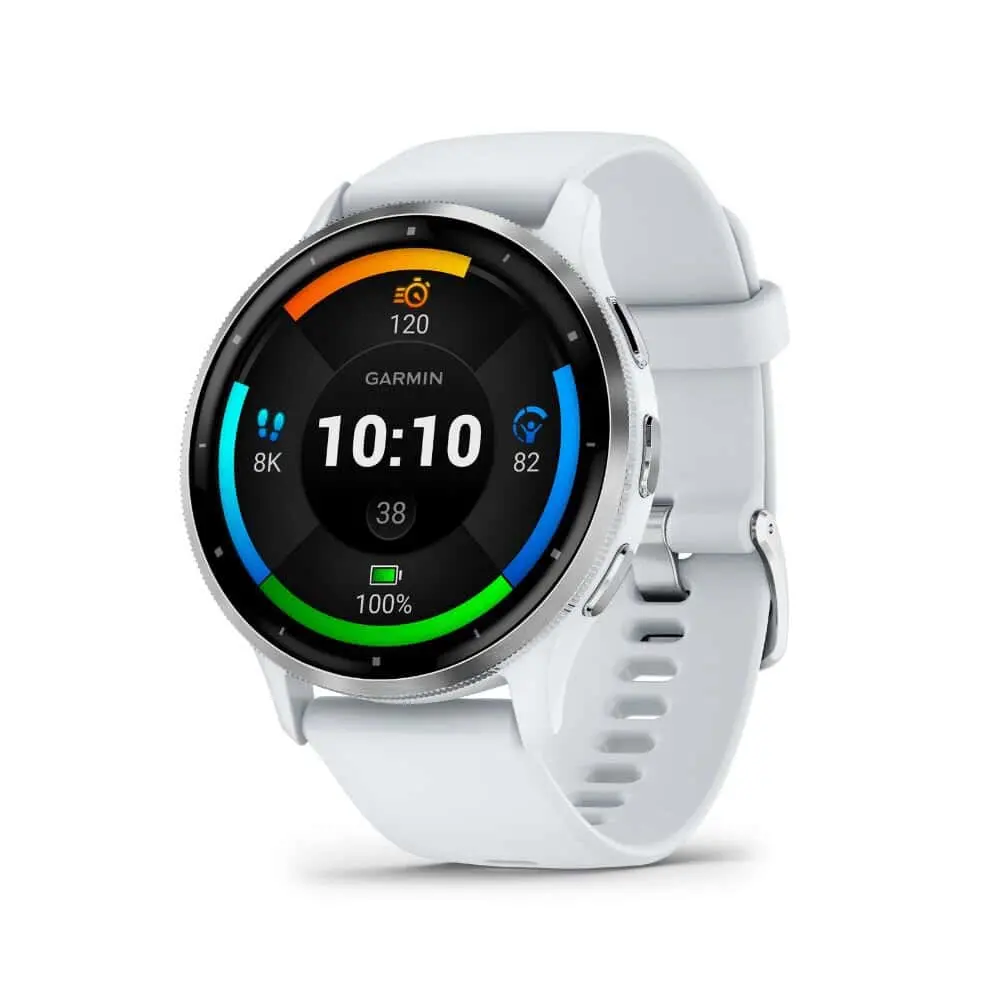
Garmin Garmin Venu 3
The most regulated device here — its ECG has been a Class IIa medical device under the EU Medical Device Regulation since January 2025 — with 14 days of battery.
 8.1BPR score
- €299Price
- ECG certified Class IIa under MDR since 15 January 2025Measured heart-rate accuracy against an ECG chest strap
- 5 of 8in Best Fitness Trackers
- 8.1BPR score 0–10
Review
What this product is
Written after the analysis, from the same sources the score is built on: the manufacturer's documentation, available studies and verified owner feedback.
This is the health-focused choice, and it has a piece of paper the others do not.
Garmin's ECG app on the Venu 3 was certified as a Class IIa medical device under EU Regulation 2017/745 (MDR) on 15 January 2025. That is a meaningfully higher regulatory bar than a general CE mark: it required a notified body to assess the clinical evidence. It does not make the watch a cardiologist, and it detects one thing — indications of atrial fibrillation — but the claim has been independently examined.
Beyond that: up to 14 days of battery, which is remarkable for an AMOLED watch; sleep coaching; a nap-detection feature that actually works; and Garmin's full training suite, subscription-free.
Limitations. At €299 it is the most expensive device here — 3.5 times the Fitbit, which also has a CE-marked ECG, if at a lower regulatory class. GNSS is single-band on this model, unlike the cheaper Forerunner 165, which is an odd omission at this price and a real one if you run in cities. And it is a large watch; small wrists should try it on.
Technical data
Specification
Figures from the manufacturer's documentation, verified against available outside sources. Values we could not confirm are marked as declared.
- ECG
- Class IIa medical device, MDR 2017/745, certified 15 Jan 2025
- Battery
- Up to 14 days
- GNSS
- Single band
- Display
- AMOLED
- Heart rate
- Garmin Elevate v5 optical
Component scores
Where the score
comes from.
Four components, equal weight, each on a 0–10 scale and each resting on a named source. The overall score is their mean — the full procedure is in the methodology.
What we liked
- ECG certified Class IIa under MDR — the highest regulatory class here
- Up to 14 days battery with an AMOLED screen
- Full Garmin training and sleep suite, no subscription
- Reliable nap detection and sleep coaching
Worth knowing
- €299 — the most expensive device in this ranking
- Single-band GNSS, despite costing more than the multi-band Forerunner 165
- Physically large
- No user-replaceable battery
Comparison
How it compares
within the category
All values come from the same analysis and are comparable only within the category Best Fitness Trackers.
| Product | Score | Measured heart-rate accuracy against an ECG chest strap | Price |
|---|---|---|---|
| Fitbit Charge 6Top score | 8.9 | ~1% deviation vs Polar H10 chest strap | €85 |
| Garmin Venu 3This product | 8.1 | ECG certified Class IIa under MDR since 15 January 2025 | €299 |
| Category average8 products analysed | 8.2 | — | — |
FAQ
Frequently asked questions
What does Class IIa actually mean?
Under EU Regulation 2017/745 a Class IIa medical device must be assessed by an independent notified body, which reviews the clinical evidence behind the claim, before it can be sold. A plain CE mark can in some cases be self-declared. It is a real difference in scrutiny — it is not a diagnosis.
From the same ranking
Other products in Best Fitness Trackers.
The same protocol, the same key parameter, the same set of sources.
-
 No. 018.9/ 10
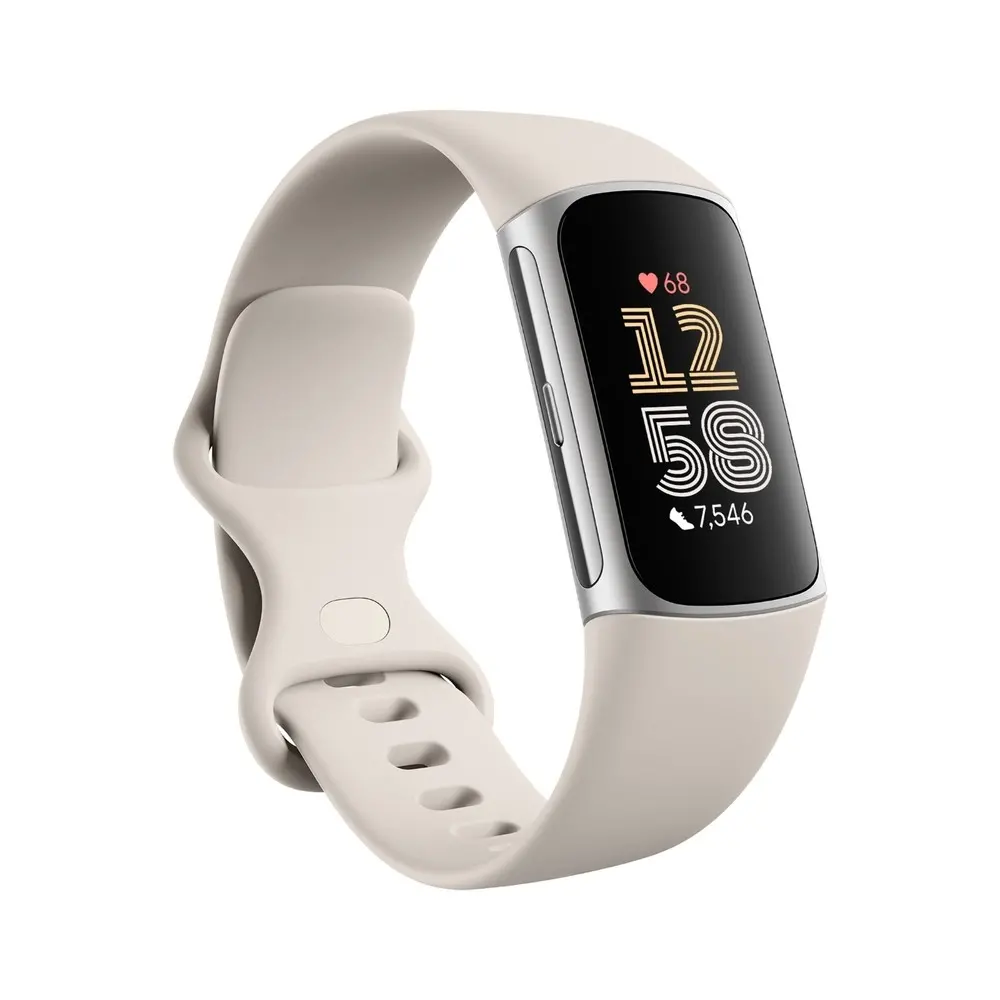
Fitbit Charge 6
Chest-strap-class heart-rate accuracy from a wrist band at around €85, with a CE-marked ECG…
-
 No. 028.8/ 10
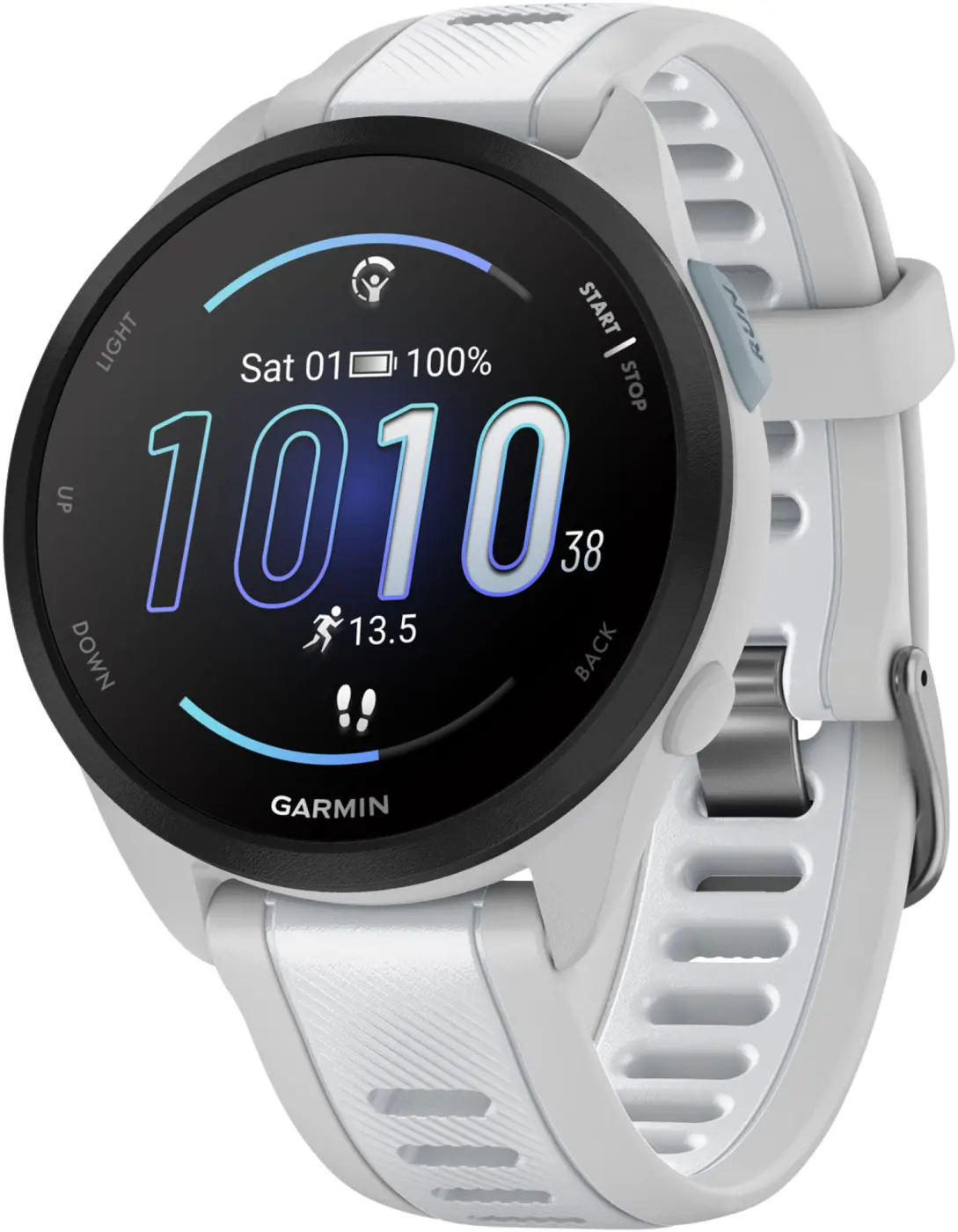
Garmin Forerunner 165
The running watch in this ranking — multi-band satellite positioning, genuine training-load…
-
 No. 038.6/ 10
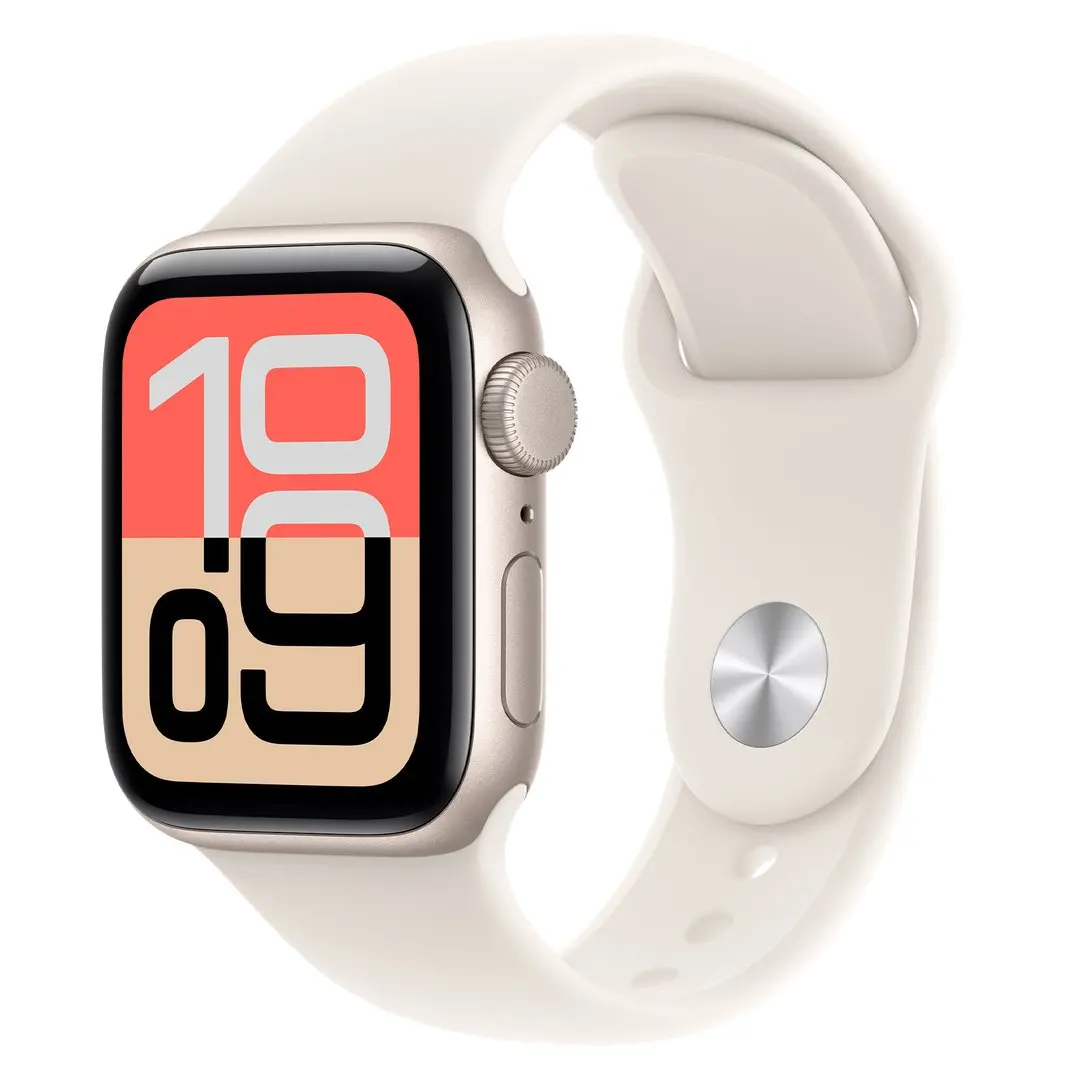
Apple Watch SE 3
The most accurate device in this ranking on both heart rate and sleep staging — and the only…
-
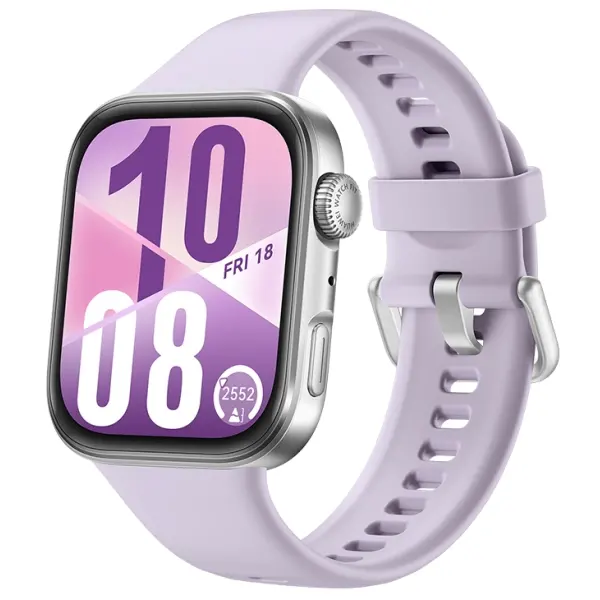 No. 048.3/ 10
Huawei Watch Fit 4
Dual-band satellite positioning at around €102 — a specification that otherwise starts near…