
3Rank 03 of 8 · Best Running Shoes for Beginners
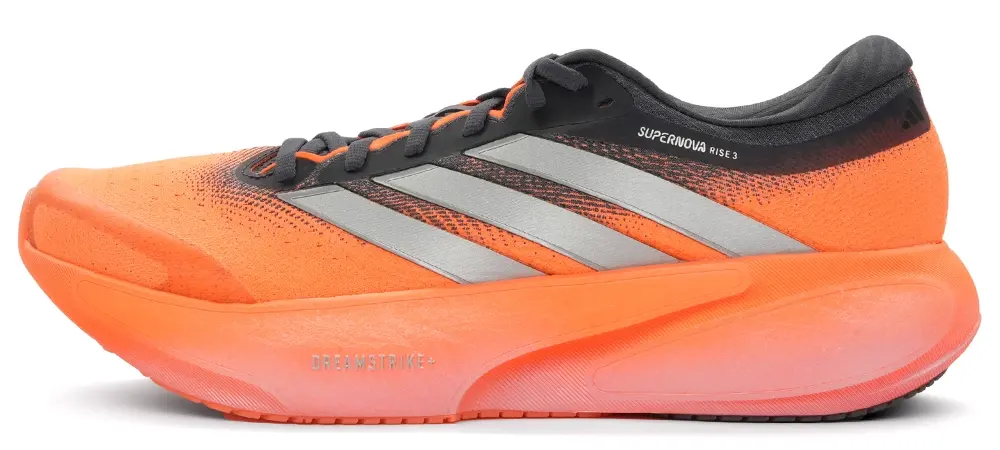
adidas adidas Supernova Rise 3
The softest midsole here at 28.6 AC on PEBA foam, the highest energy return, and the most honest spec sheet in the ranking — measured drop 7.8 mm against 8 mm claimed.
 8.7BPR score
- €85Price
- 264 g (RunRepeat lab)Lab-measured weight
- 3 of 8in Best Running Shoes for Beginners
- 8.7BPR score 0–10
Review
What this product is
Written after the analysis, from the same sources the score is built on: the manufacturer's documentation, available studies and verified owner feedback.
The best-measuring shoe in this ranking on foam quality, and the only one whose specification sheet survives laboratory scrutiny intact.
Measured drop 7.8 mm against 8 mm official. Every other shoe here differed from its claimed drop by between 1.8 and 5.3 mm. That honesty is worth noting on its own.
The midsole is Dreamstrike+, a PEBA-based foam measuring 28.6 AC — the softest of the eight, well below the 35.6 AC lab average — with energy return of 58.8% at the heel and 62.8% at the forefoot, the highest measured here. PEBA is the premium foam class; finding it in a €150 daily trainer discounted to €84.99 is unusual.
RunRepeat measured 264 g, matching the brand claim, with stack at 35.0 / 27.2 mm. The LIGHTTRAXION outsole is only 2.1 mm thick but showed just 0.8 mm wear in the Dremel test, and wet-concrete traction measured 0.94 — very high, which matters through a European winter.
The toebox is 74.5 mm, the roomiest here, with normal and wide fittings listed. RunRepeat scored it 87/100 "Great", the second-highest score in this ranking.
One unresolved specification. The previous Rise 2 carried "Support Rods" — a REPETITOR foam element, not a propulsive plate, despite what the name suggests. Whether the Rise 3 retains them is not confirmed: the lab page does not mention them and adidas's German site does not list them. If support features matter to you, verify before buying.
Breathability at 3 out of 5 is average — the one clearly ordinary number on the sheet.
Technical data
Specification
Figures from the manufacturer's documentation, verified against available outside sources. Values we could not confirm are marked as declared.
- Lab weight
- 264 g (matches brand claim)
- Lab stack
- 35.0 mm heel / 27.2 mm forefoot
- Lab drop
- 7.8 mm (official 8 mm)
- Midsole
- Dreamstrike+, PEBA-based
- Midsole softness
- 28.6 AC - softest here (lab average 35.6)
- Energy return
- 58.8% heel / 62.8% forefoot - highest here
- Outsole
- LIGHTTRAXION, 2.1 mm, 0.8 mm Dremel wear
- Wet concrete traction
- 0.94 - very high
- Breathability
- 3/5
- Toebox width
- 74.5 mm - roomiest here
- Widths
- Normal and Wide
- Plate
- None; Support Rods presence unconfirmed
- RunRepeat score
- 87/100 Great
- Price
- EUR 150 RRP; from EUR 84.99 street
Component scores
Where the score
comes from.
Four components, equal weight, each on a 0–10 scale and each resting on a named source. The overall score is their mean — the full procedure is in the methodology.
What we liked
- Softest midsole here at 28.6 AC on PEBA-based Dreamstrike+ foam
- Highest energy return measured: 58.8% heel, 62.8% forefoot
- Measured drop 7.8 mm against 8 mm claimed — the most honest spec sheet here
- Wet-concrete traction 0.94, very high
- 0.8 mm Dremel wear despite only 2.1 mm outsole thickness
- 74.5 mm toebox, the roomiest in this ranking; normal and wide fittings
- RunRepeat 87/100 Great
Worth knowing
- Breathability only 3/5, average
- Whether it retains the Rise 2's Support Rods is unconfirmed
- €150 RRP, though street price is €84.99
- PEBA foams generally compress faster than EVA over high mileage
- Thin 2.1 mm outsole, though it tested durable
Comparison
How it compares
within the category
All values come from the same analysis and are comparable only within the category Best Running Shoes for Beginners.
| Product | Score | Lab-measured weight | Price |
|---|---|---|---|
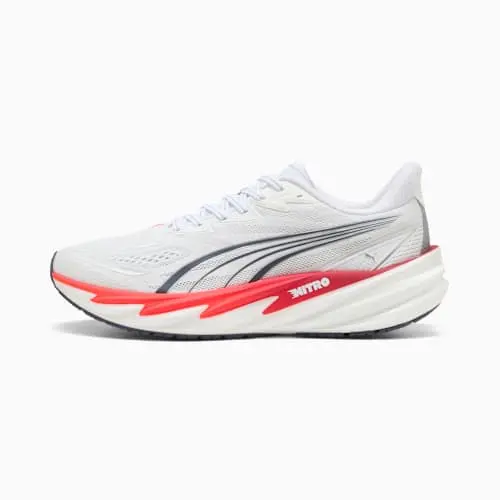
| Puma Velocity Nitro 5Top score | 8.9 | 242 g (RTINGS lab) | €130 |
| adidas Supernova Rise 3This product | 8.7 | 264 g (RunRepeat lab) | €85 |
| Category average8 products analysed | 8.2 | — | — |
FAQ
Frequently asked questions
Is PEBA foam worth seeking out?
It measures better — RunRepeat's guide puts EVA at 47-54% energy return and premium foams at 74-82%, and this shoe measured 58.8-62.8%. Whether that translates into anything a beginner notices is much less clear: most of the energy a shoe returns helps it spring back into shape rather than pushing you forward, and RunRepeat notes that the same supershoe produces responders and non-responders. Enjoy it as a nice feel underfoot rather than a performance benefit.
From the same ranking
Other products in Best Running Shoes for Beginners.
The same protocol, the same key parameter, the same set of sources.
-
 No. 018.9/ 10
Puma Velocity Nitro 5
The lightest shoe here at 242 g, on nitrogen-injected TPU with PUMAGRIP — widely regarded as…
-
 No. 028.8/ 10
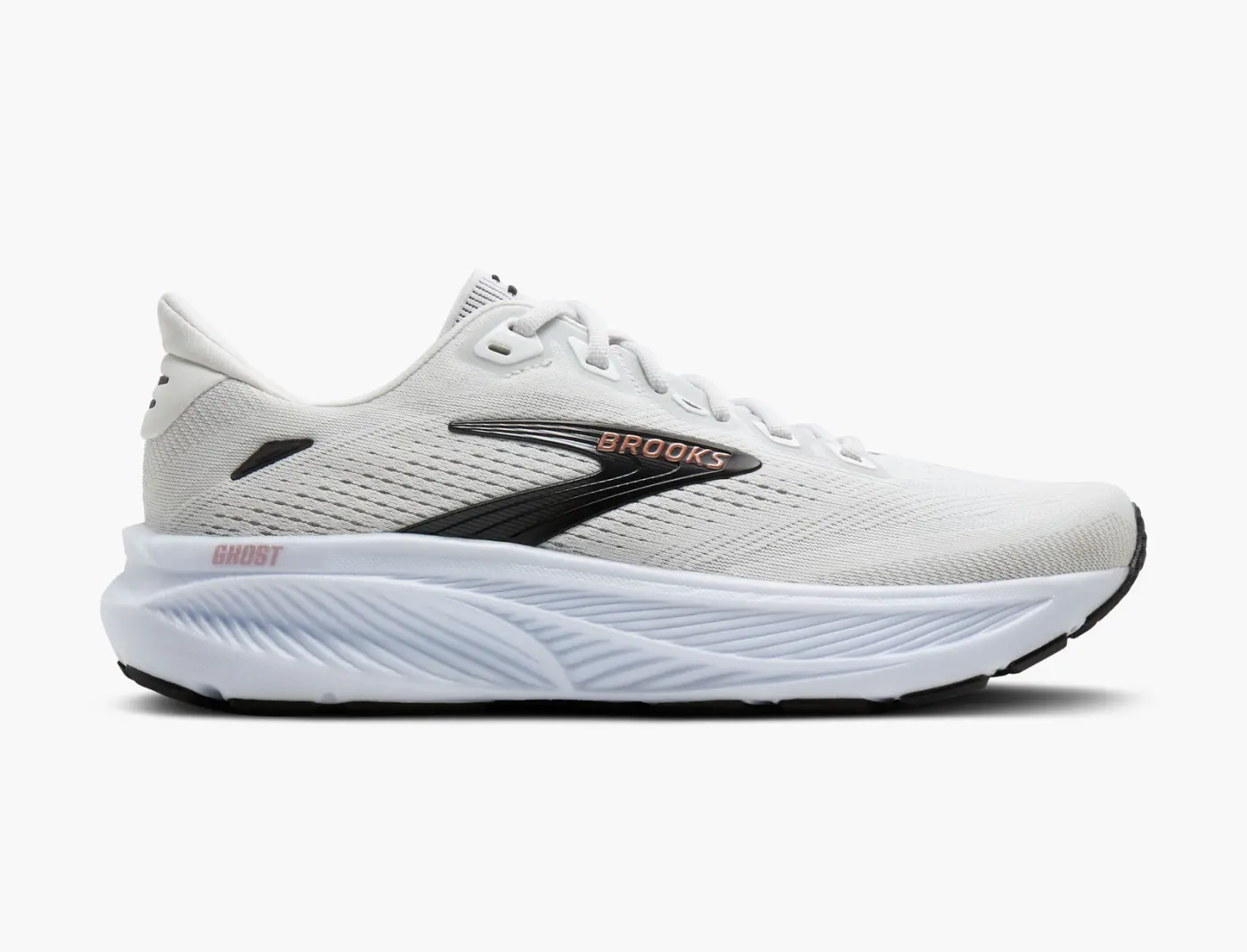
Brooks Ghost 18
The most outsole rubber here at 3.5 mm with excellent durability, a rigid heel counter that…
-
 No. 048.4/ 10
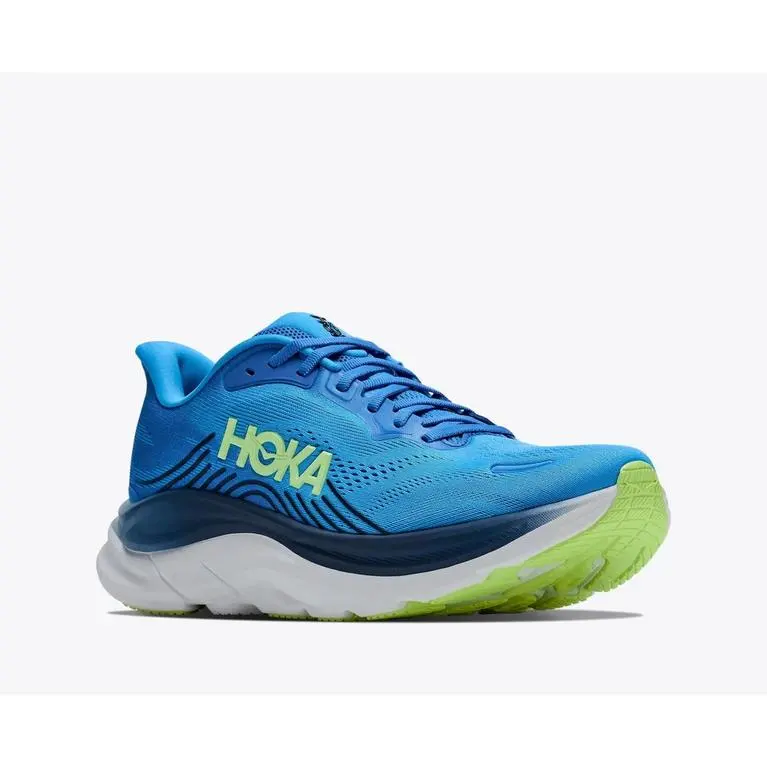
Hoka Clifton 11
The best breathability here at 93/100 and the only shoe with narrow through extra-wide…
-
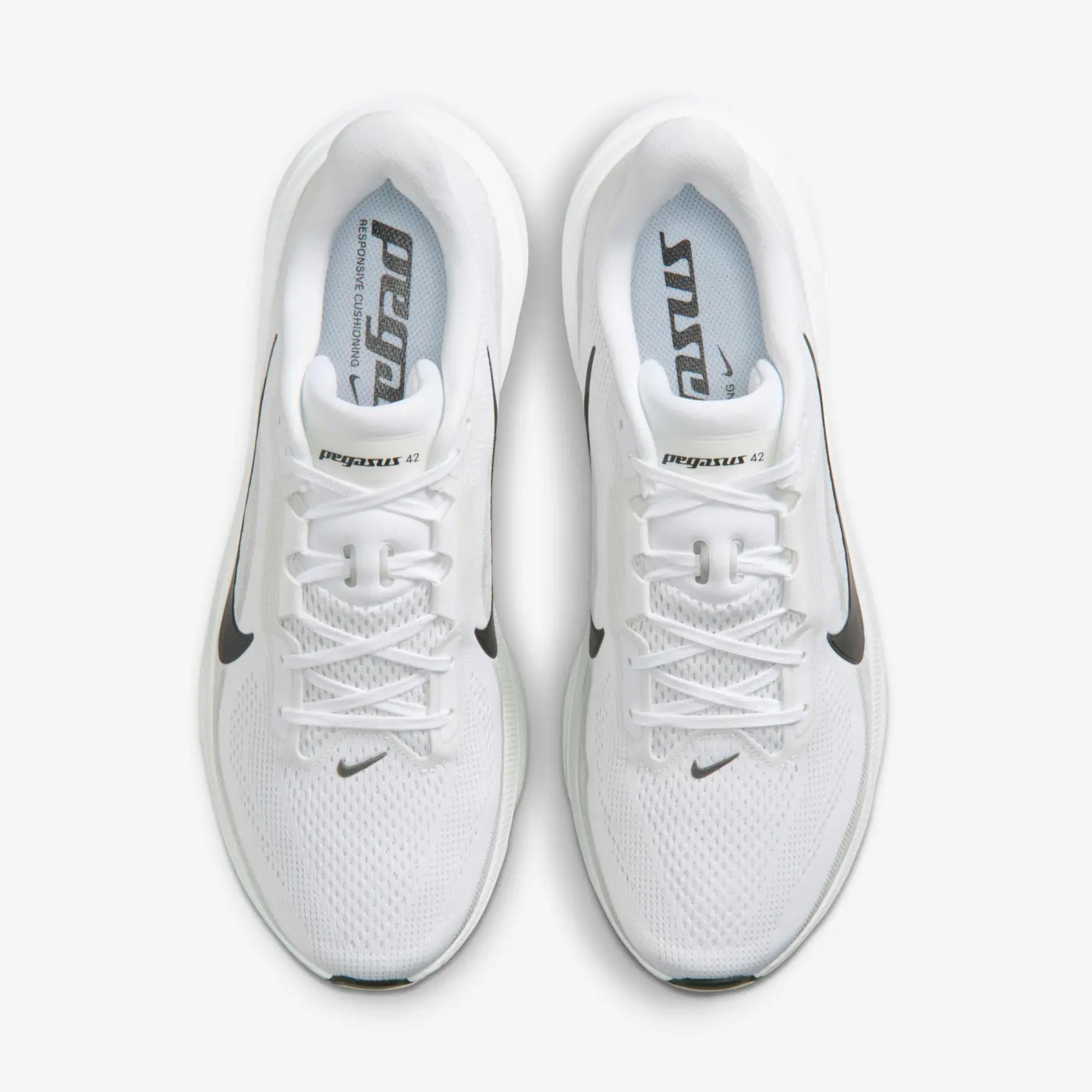 No. 058.3/ 10
Nike Pegasus 42
Outstanding breathability at 87/100, excellent 0.8 mm outsole wear, and heavily discounted…