
7Rank 07 of 8 · Best Running Shoes for Beginners
Asics Asics Gel-Cumulus 28
Soft, light and roomy at a heavy discount — but its outsole is exposed foam rather than rubber, and it measured 2.4 mm of wear, three times the best shoes here.
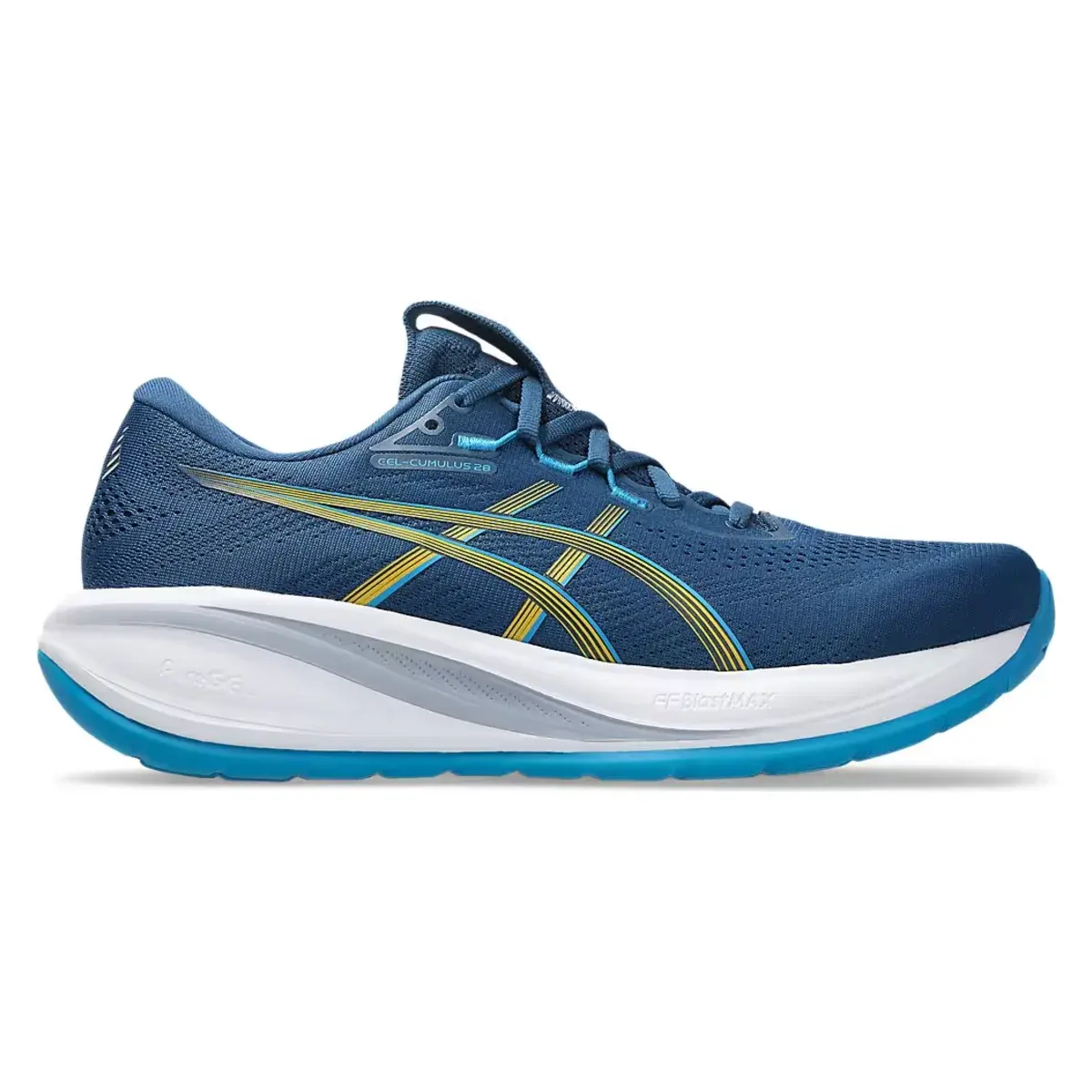 8.0BPR score
- €81Price
- 252 g (RunRepeat lab)Lab-measured weight
- 7 of 8in Best Running Shoes for Beginners
- 8.0BPR score 0–10
Review
What this product is
Written after the analysis, from the same sources the score is built on: the manufacturer's documentation, available studies and verified owner feedback.
A genuinely pleasant shoe with one specification that should decide whether you buy it.
The good part: RunRepeat measured 252 g against a 275 g brand claim — the second lightest here — with a soft 31.9 AC FF Blast Max midsole and a PureGEL heel insert. The toebox is 74.4 mm, roomy, and heel counter stiffness is 5 out of 5. RunRepeat scored it 86/100 "Great", noting that the plush cushioning, wide platform and stable geometry work especially well for heel strikers wanting a relaxed daily trainer. That is a good description of many beginners.
Now the problem. This shoe has no conventional rubber outsole. It uses exposed FluidRide foam, 5.0 mm thick — and the Dremel durability test measured 2.4 mm of wear, by far the worst of the eight and three times the 0.8 mm of the Brooks, Nike and adidas.
For a beginner this matters more than for an experienced runner, for two reasons. Form is still settling, so wear tends to concentrate unevenly at specific contact points. And a new runner has no reference for what a worn shoe feels like — you are more likely to keep running in it past the point where the outsole has gone.
The other caution is the specification sheet. Asics claims 38 / 30 mm for an 8 mm drop. RunRepeat measured 42.8 / 29.5 mm for a 13.3 mm drop — the largest lab-versus-brand disagreement in this ranking, in both stack and drop. We report both and would treat the Asics figures with caution.
Widths on Asics's German site are standard only, despite review sites listing wide and extra-wide from the US market.
At €80.99 street against a €160 RRP, this is the biggest discount in the ranking. If you run mostly on softer surfaces, or you are happy replacing shoes sooner, it is a good buy. On abrasive city pavement it is the wrong choice.
Technical data
Specification
Figures from the manufacturer's documentation, verified against available outside sources. Values we could not confirm are marked as declared.
- Lab weight
- 252 g (brand claims 275 g)
- Lab stack
- 42.8 mm heel / 29.5 mm forefoot
- Lab drop
- 13.3 mm (claimed 8 mm)
- Midsole
- FF Blast Max with PureGEL heel insert
- Midsole softness
- 31.9 AC - soft
- Outsole
- Exposed FluidRide foam, 5.0 mm - no conventional rubber
- Dremel wear
- 2.4 mm - worst here by a wide margin
- Breathability
- 3/5
- Toebox width
- 74.4 mm
- Heel counter stiffness
- 5/5
- Torsional rigidity
- 14.7 Nm
- Widths on asics.de
- Standard only
- RunRepeat score
- 86/100 Great
- Price
- EUR 160 RRP; from EUR 80.99 street
Component scores
Where the score
comes from.
Four components, equal weight, each on a 0–10 scale and each resting on a named source. The overall score is their mean — the full procedure is in the methodology.
What we liked
- 252 g measured against a 275 g brand claim — second lightest here
- Soft 31.9 AC FF Blast Max midsole with PureGEL heel insert
- 74.4 mm roomy toebox and 5/5 heel counter stiffness
- RunRepeat 86/100 Great, singled out as good for heel strikers
- Biggest discount here: €80.99 against a €160 RRP
- Wide, stable platform geometry
Worth knowing
- 2.4 mm Dremel wear — three times the best shoes here
- No conventional rubber outsole; exposed FluidRide foam instead
- Largest lab-versus-claim disagreement: 13.3 mm measured drop against 8 mm claimed
- Measured stack 42.8 / 29.5 mm against a claimed 38 / 30 mm
- Asics Germany offers standard width only
- Breathability only 3/5
Comparison
How it compares
within the category
All values come from the same analysis and are comparable only within the category Best Running Shoes for Beginners.
| Product | Score | Lab-measured weight | Price |
|---|---|---|---|
| Puma Velocity Nitro 5Top score | 8.9 | 242 g (RTINGS lab) | €130 |
| Asics Gel-Cumulus 28This product | 8.0 | 252 g (RunRepeat lab) | €81 |
| Category average8 products analysed | 8.2 | — | — |
FAQ
Frequently asked questions
How much does 2.4 mm of wear actually matter?
It determines your cost per kilometre. The Brooks, Nike and adidas all measured 0.8 mm in the same test — this shoe wore three times as fast. If you run on abrasive city pavement, expect to replace it noticeably sooner. If you run mostly on softer surfaces or park paths, the gap narrows considerably. It is not a safety issue; it is an economics one.
Why do Asics's own figures differ so much from the lab?
Measurement protocol — whether the insole is in or out, and where on the shoe the measurement is taken. RunRepeat measured 42.8 / 29.5 mm against Asics's claimed 38 / 30 mm. This is not proof anyone is lying, but it is the largest disagreement in this ranking and it is the reason we tell you not to choose between shoes on a 2 mm drop difference.
From the same ranking
Other products in Best Running Shoes for Beginners.
The same protocol, the same key parameter, the same set of sources.
-
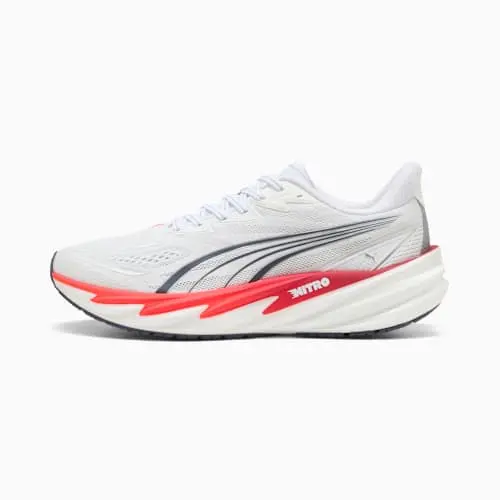 No. 018.9/ 10
Puma Velocity Nitro 5
The lightest shoe here at 242 g, on nitrogen-injected TPU with PUMAGRIP — widely regarded as…
-
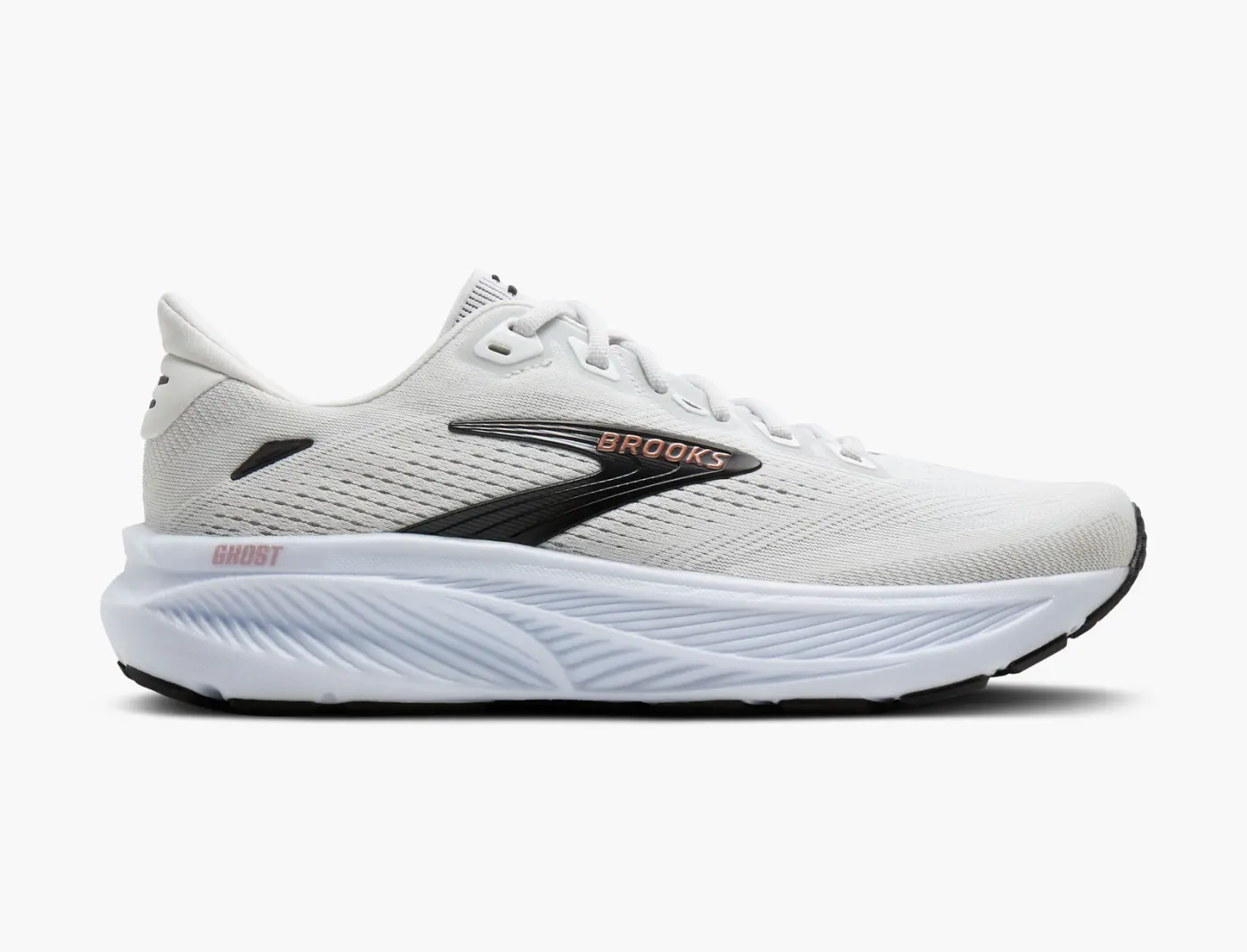 No. 028.8/ 10
Brooks Ghost 18
The most outsole rubber here at 3.5 mm with excellent durability, a rigid heel counter that…
-
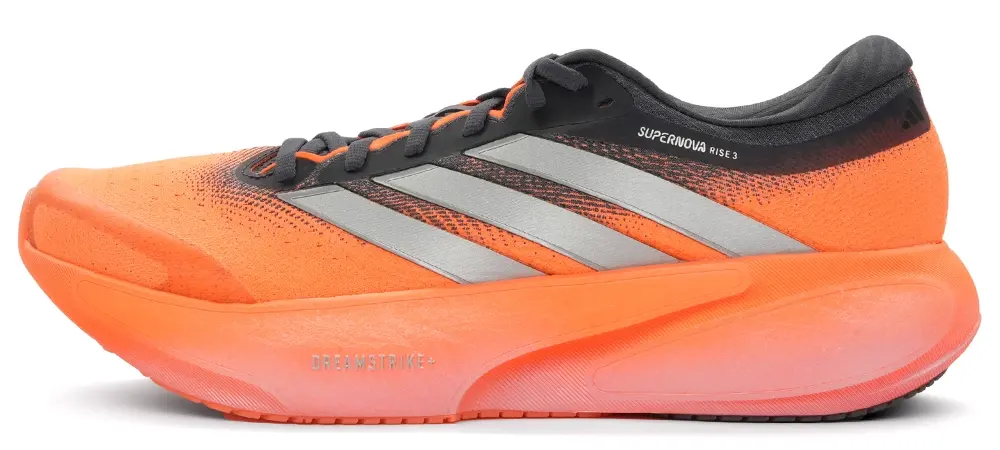 No. 038.7/ 10
adidas Supernova Rise 3
The softest midsole here at 28.6 AC on PEBA foam, the highest energy return, and the most…
-
 No. 048.4/ 10
Hoka Clifton 11
The best breathability here at 93/100 and the only shoe with narrow through extra-wide…