
8Rank 08 of 8 · Best Dishwashers 60 cm
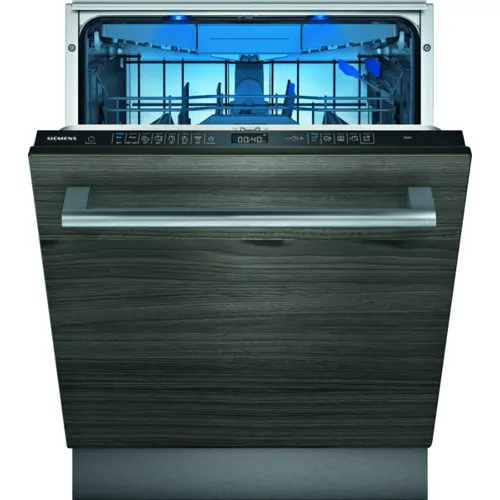
Siemens Siemens iQ500 SN65ZX49CE
A well-equipped zeolite machine with a 40 dB Silence programme — and class C at 75 kWh, the highest consumption in this ranking. Buy it for the drying and the quiet mode, not for efficiency.
 7.3BPR score
- €789Price
- 75 kWh/100 cycles — class CEnergy use, kWh per 100 eco cycles
- 8 of 8in Best Dishwashers 60 cm
- 7.3BPR score 0–10
Review
What this product is
Written after the analysis, from the same sources the score is built on: the manufacturer's documentation, available studies and verified owner feedback.
This machine is the clearest illustration in the ranking that brand tier and headline technology do not track the energy label. It is a premium-badged, feature-complete appliance with the most heavily marketed drying system on the market, and it is class C at 75 kWh per 100 cycles — the highest figure of any machine here, costing roughly €17 a year more to run than the €679 Bosch Serie 6 that is two energy classes better.
The equipment is genuinely good. Eight programmes, the varioSchublade cutlery drawer, glassZone in the upper rack, aquaStop with Siemens's water-damage guarantee, Home Connect, and a Silence programme that reaches 40 dB(A) — quieter in that mode than anything here except the AEG. Zeolite drying with a heat exchanger is the headline feature.
The EPREL registration number is 251044, a strikingly low figure that indicates early registration and points to an older platform. Water consumption of 9.5 litres and a 3 hour 55 minute eco cycle are both unremarkable.
Note what happened to Siemens elsewhere in the range. The iQ300 SN63EX02BD — a cheaper model number — is class A at 54 kWh and took ETM Testmagazin's price-performance award in issue 2/2026 with 94.1%. Its list price of €999 makes it poor value against the AEG, and it is rated at only 13 place settings, but it demonstrates that Siemens builds class A machines. This is not one of them.
Two aggregator sites publish conflicting grades for this model attributed to Stiftung Warentest — 2.3 on one, 2.1 on another. Neither could be verified against test.de, so we have not used either.
Buy this if you specifically want zeolite drying and a 40 dB quiet mode from a Siemens. Do not buy it expecting efficiency: on our arithmetic it is the most expensive machine here to run, at about €71 a year.
Technical data
Specification
Figures from the manufacturer's documentation, verified against available outside sources. Values we could not confirm are marked as declared.
- Type
- Fully integrated, 815 x 598 x 550 mm
- EU energy class
- C
- Energy
- 75 kWh per 100 eco cycles
- Water
- 9.5 litres per cycle
- Noise
- 42 dB(A) eco, 40 dB Silence - noise class B
- Place settings
- 14
- Eco programme duration
- 3 h 55 min
- EPREL registration
- 251044
- Programmes
- 8 - Eco 50, Auto 45-65, Intensiv 70, Kurz 60, Schnell 45, Glas 40, Silence 50, Favorit
- Third rack
- Yes - varioSchublade
- Drying
- Zeolith-Trocknen with heat exchanger
- Leak protection
- aquaStop with water-damage guarantee
- Connectivity
- Home Connect
- Other
- glassZone in upper rack
- Estimated running cost
- approx. EUR 71/year - highest here
- European price
- EUR 789-956
Component scores
Where the score
comes from.
Four components, equal weight, each on a 0–10 scale and each resting on a named source. The overall score is their mean — the full procedure is in the methodology.
What we liked
- 40 dB(A) Silence programme — very quiet in that mode
- Zeolite drying with heat exchanger
- varioSchublade cutlery drawer and glassZone upper rack
- aquaStop with Siemens water-damage guarantee
- 8 programmes and Home Connect
- 3 h 55 min eco cycle, shorter than most class A machines
Worth knowing
- Class C at 75 kWh — the highest consumption in this ranking
- Roughly €17/year more to run than the cheaper class A Bosch Serie 6
- 9.5 litres per cycle
- Older platform — EPREL ID 251044 indicates early registration
- Zeolite carries a documented long-term failure mode, around €350 to repair
- Siemens's own cheaper iQ300 SN63EX02BD is class A at 54 kWh
Comparison
How it compares
within the category
All values come from the same analysis and are comparable only within the category Best Dishwashers 60 cm.
| Product | Score | Energy use, kWh per 100 eco cycles | Price |
|---|---|---|---|
| AEG 9000 GI9210X2TFTop score | 9.1 | 49 kWh/100 cycles — class A | €849 |
| Siemens iQ500 SN65ZX49CEThis product | 7.3 | 75 kWh/100 cycles — class C | €789 |
| Category average8 products analysed | 8.3 | — | — |
FAQ
Frequently asked questions
Why is a premium Siemens two energy classes worse than a cheaper Bosch?
Because the energy class is determined by the eco programme's measured performance, not by the brand or the feature list. Siemens and Bosch are both part of BSH, and Siemens builds class A machines — the cheaper iQ300 SN63EX02BD is class A at 54 kWh. This particular model is an older platform, indicated by its very low EPREL registration number. Always read the label figure rather than inferring efficiency from the badge.
From the same ranking
Other products in Best Dishwashers 60 cm.
The same protocol, the same key parameter, the same set of sources.
-
 No. 019.1/ 10
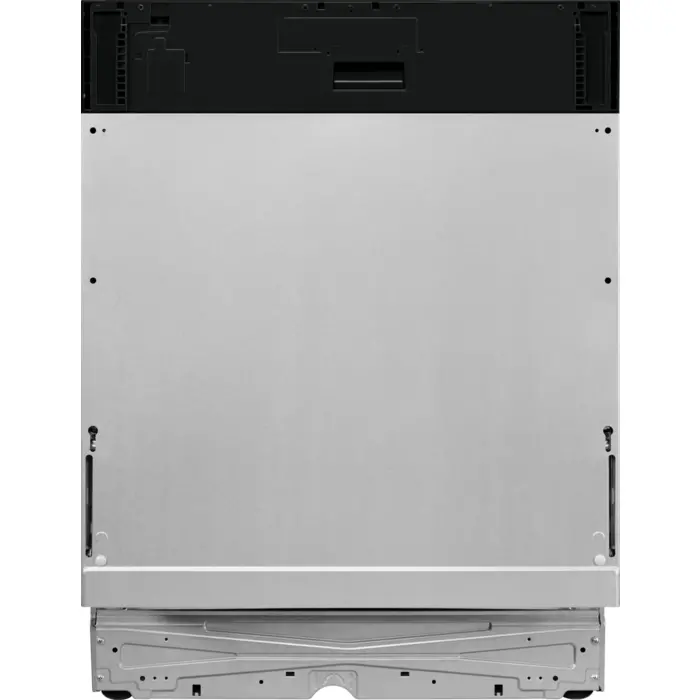
AEG 9000 GI9210X2TF
The only machine here to reach noise class A at 37 dB, and the most efficient at 49 kWh and…
-
 No. 029.1/ 10
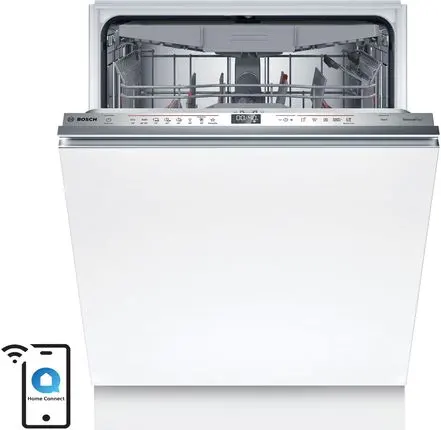
Bosch Serie 6 SMD6ECX12E
Class A at 54 kWh without any zeolite — just an auto-opening door. Joint test winner at…
-
 No. 038.7/ 10
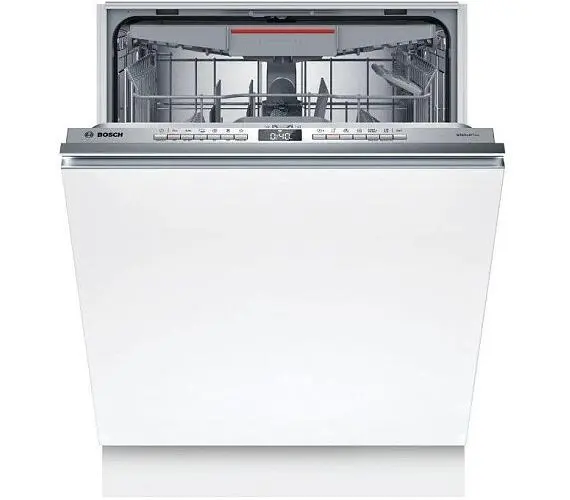
Bosch Serie 4 SMV4EVX08E
The value inflection point of the market. €99 more than the cheapest machine here buys a…
-
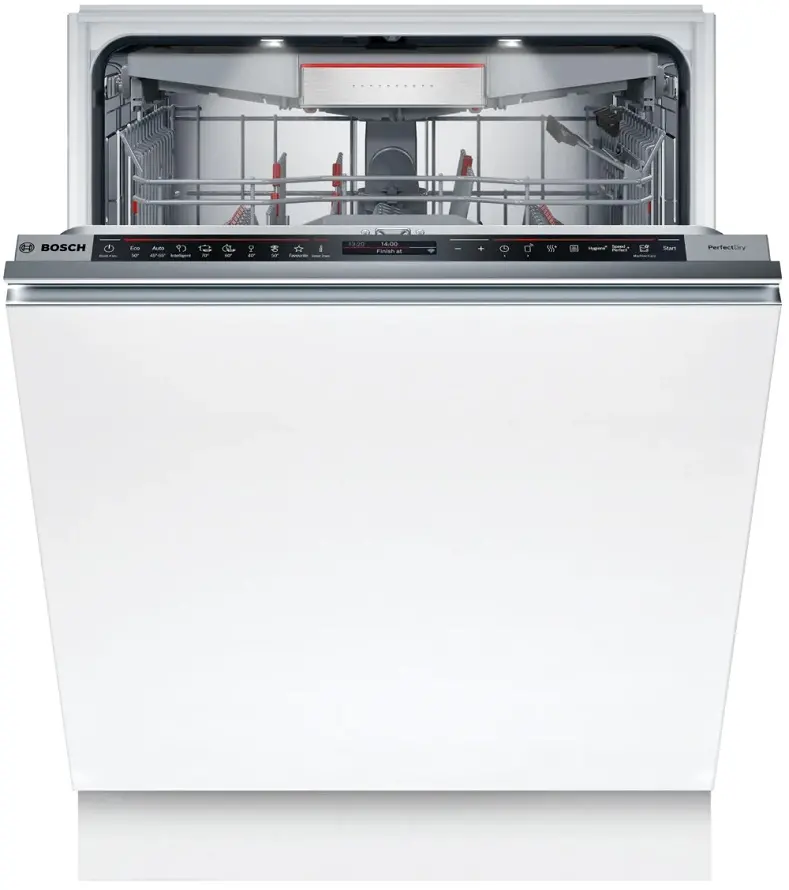 No. 048.5/ 10
Bosch Serie 8 SMD8TCX04E
Bosch's flagship, with both zeolite and auto-opening drying, TimeLight floor projection and a…