
7Rank 07 of 8 · Best 55-inch TVs Under €1000
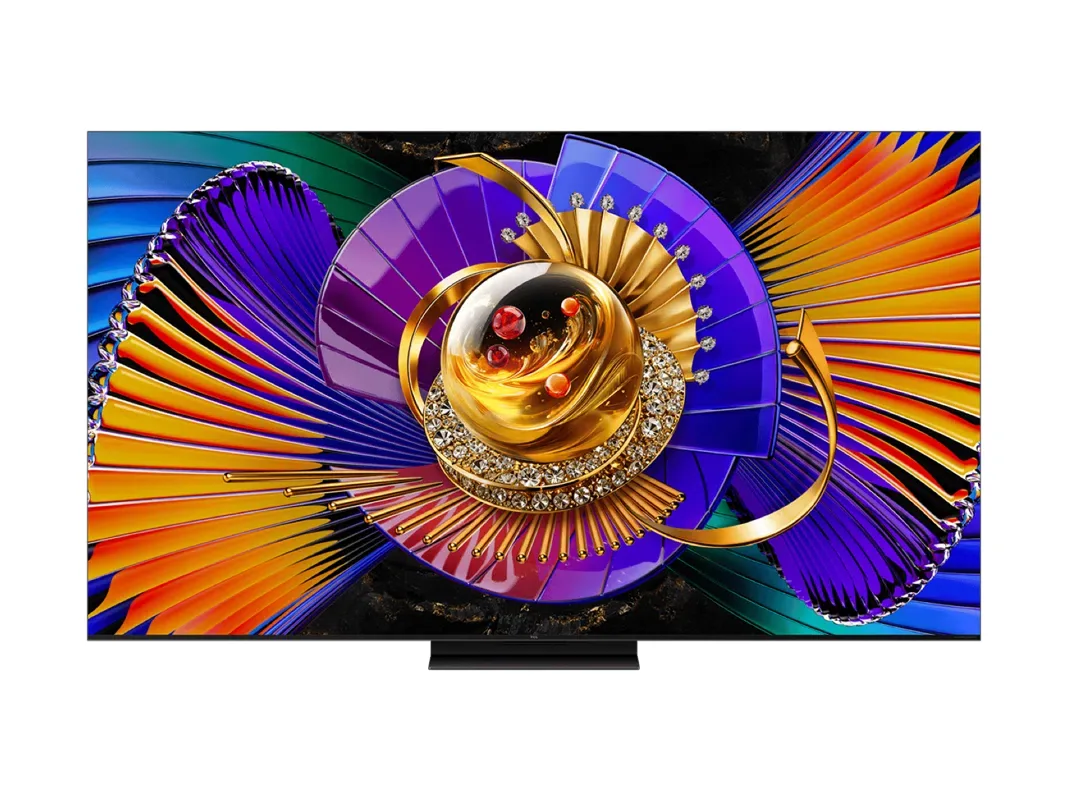
TCL TCL 55C7L
The 2026 model with the highest dimming zone count here and 1200 nits on real HDR content. Weak image processing and a EUR 899 price make it poorer value than TCL's own C7K.
 7.7BPR score
- €899Price
- 1 200 nits real content / 2 800 synthetic (choose.tv)Measured peak HDR brightness
- 7 of 8in Best 55-inch TVs Under €1000
- 7.7BPR score 0–10
Review
What this product is
Written after the analysis, from the same sources the score is built on: the manufacturer's documentation, available studies and verified owner feedback.
This is the only confirmed 2026-model-year set at 55 inches under €1000, and technically it is impressive. choose.tv measured roughly 2800 nits on synthetic patterns and — the more useful figure — 1200 nits on real HDR film content. Colour volume measured 96.7% of DCI-P3 and 90.4% of BT.2020, both strong. Contrast reached 174,100:1 full-field and 9900:1 on mixed content, dimming-assisted.
The dimming array is the densest here, though sources disagree on the count: choose.tv reports 1152 zones arranged 24 by 48, while TCL's global site lists 800 — TCL's figure may refer to a different screen size, since zone counts scale with panel area. Either way it is a finer grid than the C7K, which means less blooming around bright objects.
Gaming is well handled. 144Hz native refresh, up to 288Hz at reduced resolution, and measured input lag of about 11 ms at 60Hz and 6–7 ms at 120Hz that holds up even with Dolby Vision gaming active. Google TV with Gemini handles the smart side.
The problem is value, not capability. At €899 this sits €300–370 above TCL's own C7K, which measured higher peak brightness in Standard mode and costs roughly €550. choose.tv's central criticism is the image processing — the older Pentonic 700 chip — which shows up in upscaling and motion handling. You are paying a substantial premium for a denser dimming array and a weaker processor.
Only two of the four HDMI ports are 48 Gbps, and one of those carries eARC. The VA panel has the usual viewing angle limitations. Audio compresses noticeably above 40–50% volume. We could not verify the tuner specification, EU energy class or audio wattage from any published source.
Technical data
Specification
Figures from the manufacturer's documentation, verified against available outside sources. Values we could not confirm are marked as declared.
- Panel technology
- SQD-Mini LED, CSOT HVA 2.0 Pro
- Dimming zones
- 1152 (24x48) per choose.tv; 800 per TCL - sources conflict
- Measured peak
- approx. 2800 nits synthetic / 1200 nits real HDR content (choose.tv)
- Measured contrast (dimming-assisted)
- 174 100:1 full-field / 9 900:1 mixed content
- Colour volume
- 96.7% DCI-P3, 90.4% BT.2020
- Native refresh rate
- 144 Hz (up to 288 Hz at reduced resolution)
- Full-bandwidth HDMI 2.1 ports
- 2 of 4 (48 Gbps), one shared with eARC
- Measured input lag
- approx. 11 ms @60Hz / 6-7 ms @120Hz
- HDR formats
- Dolby Vision, Dolby Vision IQ, HDR10, HDR10+, HLG
- Smart platform
- Google TV with Gemini
- EU energy class
- Not published
- European street price
- EUR 899
Component scores
Where the score
comes from.
Four components, equal weight, each on a 0–10 scale and each resting on a named source. The overall score is their mean — the full procedure is in the methodology.
What we liked
- Highest dimming zone count in this ranking (800-1152, sources differ)
- 1200 nits measured on real HDR content, 2800 synthetic
- 96.7% DCI-P3 and 90.4% BT.2020 colour volume
- 6-7 ms input lag at 120Hz, holds up with Dolby Vision gaming
- 144Hz native, up to 288Hz at reduced resolution
- Google TV with Gemini
Worth knowing
- Poor value against TCL's own C7K at EUR 550
- Weak image processing on the older Pentonic 700 chip (choose.tv)
- Only 2 of 4 HDMI ports are full-bandwidth, one shared with eARC
- Audio compresses above 40-50% volume
- VA panel viewing angles
- Tuners, energy class and audio wattage not published
Comparison
How it compares
within the category
All values come from the same analysis and are comparable only within the category Best 55-inch TVs Under €1000.
| Product | Score | Measured peak HDR brightness | Price |
|---|---|---|---|
| TCL 55C7KTop score | 8.9 | 1 672 nits (AVForums, 55") | €549 |
| TCL 55C7LThis product | 7.7 | 1 200 nits real content / 2 800 synthetic (choose.tv) | €899 |
| Category average8 products analysed | 8.1 | — | — |
FAQ
Frequently asked questions
Is the 2026 model worth EUR 350 more than the 2025 C7K?
On the published measurements, no. The C7K measured higher peak brightness in Standard mode at roughly EUR 550. What the C7L adds is a denser dimming array, which reduces blooming, and better colour volume. What it does not fix is image processing, which choose.tv identified as its main weakness. Buy it only if blooming specifically bothers you.
Why do the synthetic and real-content brightness figures differ so much?
Synthetic test patterns are small, static bright windows that let the backlight run at maximum for a short burst. Real film content has varied brightness across the frame and sustained scenes, which triggers the power limiter. The 1200 nit figure is the one that describes what you will see.
From the same ranking
Other products in Best 55-inch TVs Under €1000.
The same protocol, the same key parameter, the same set of sources.
-
 No. 018.9/ 10
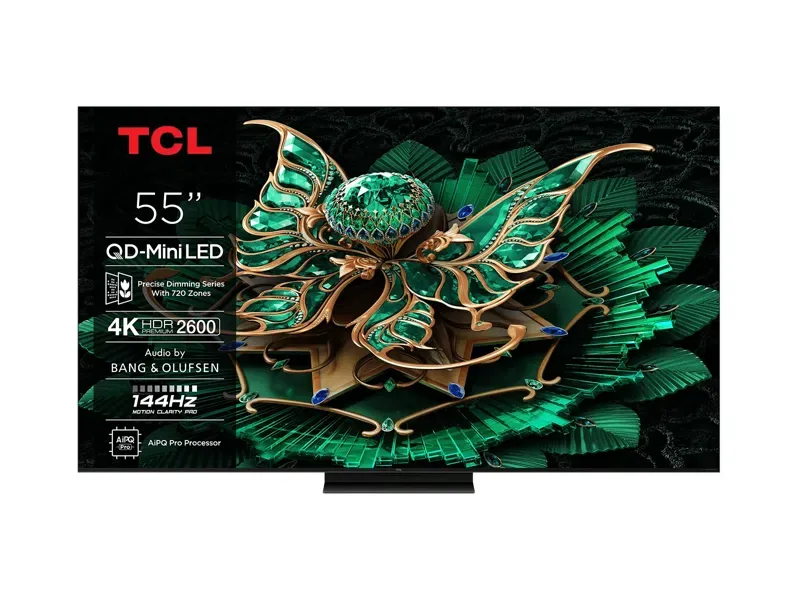
TCL 55C7K
QD-Mini LED with the highest measured brightness per euro in this class. 144Hz native, 4.7 ms…
-
 No. 028.6/ 10
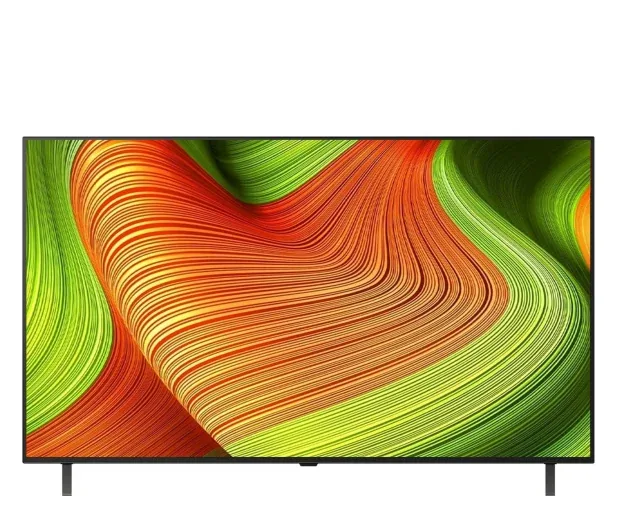
LG OLED55B5
Entry-level OLED with per-pixel emissive black, four full-bandwidth HDMI 2.1 ports and 9.1 ms…
-
 No. 038.4/ 10
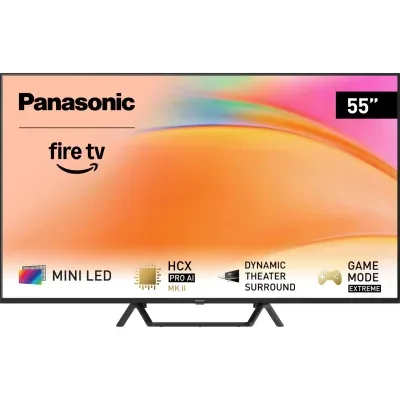
Panasonic TV-55W95B
Mini-LED with 504 dimming zones and reference-grade out-of-box accuracy — Delta E of 1.1 to…
-
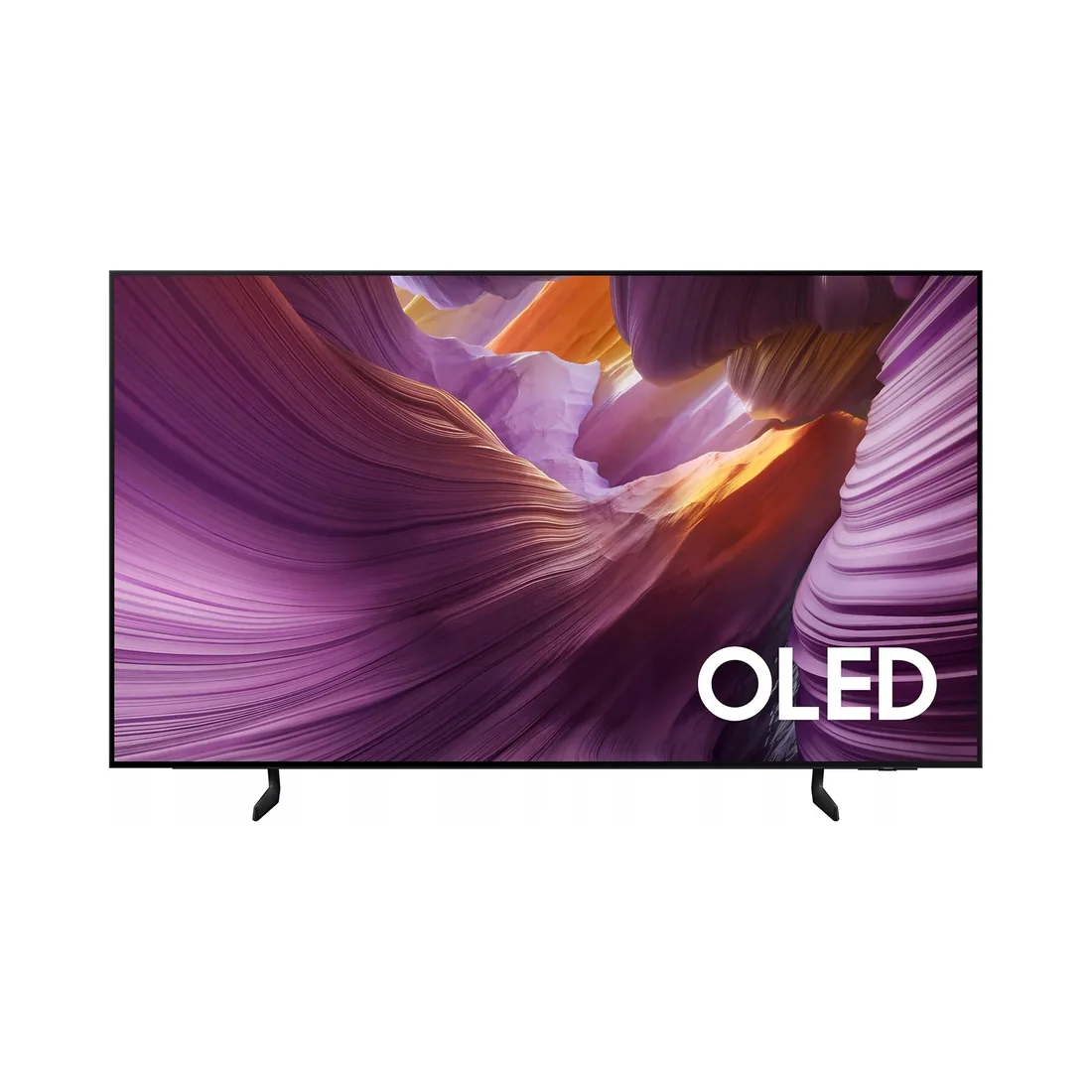 No. 048.3/ 10
Samsung QE55S85F
The brightest OLED in this ranking at 787 measured nits, with four full-bandwidth HDMI 2.1…