
AutomotiveAnalysis 119
Summer tyres 205/55 R16 — example ranking
Six tyres in the most common compact-car size, analysed under one protocol: wet grip and rolling resistance classes from the EU label, results from published industry studies, owner feedback after a season of use, and running costs at 15,000 km a year. The gap in braking distance between the first and last tyre reaches 6.8 metres in those studies — at 80 km/h that is the length of two cars.
Prices come from regular retail in May 2026 and cover a set of four tyres.
Key parameter
Wet grip (EU label class)
Wet grip class from the EU tyre label under Regulation (EU) 2020/740, set against braking results published in industry studies for this size.
-
Top score
Continova EcoRoll Prime
- A · 27.1 mWet grip (EU label class)
- €349per tyre · 205/55 R16 91H
Details+
Lowest rolling resistance in the ranking — a real saving of roughly €60 a year at 15,000 km.
- Strengths
- Lowest rolling resistance class in the ranking
- Exterior noise 68 dB
- Wet grip class A on the EU label
- Weaknesses
- Longer dry braking than the top-scoring tyre
- Limited availability in smaller retailers
8.9 / 10good
-
Vertigo GripMax Sport 5
- A · 26.4 mWet grip (EU label class)
- €428per tyre · 205/55 R16 91V
Details+
Shortest wet braking distance in the published studies and the best handling in owner feedback.
- Strengths
- Shortest wet braking in the studies: 26.4 m
- Wet grip class A on the EU label
- Consistent owner feedback after a full season
- Weaknesses
- Highest price for a set
- Higher rolling resistance than the economy leaders
8.8 / 10good
-
Halbert RoadLine 4S
- C · 29.0 mWet grip (EU label class)
- €312per tyre · 205/55 R16 91V
Details+
Best score-to-price relationship in the ranking. The compromise shows only late in the tyre's life.
- Strengths
- Lowest set price among the leaders
- Wet grip class B with steady results
- Weaknesses
- Clear drop in grip past 40% tread wear
- Noisier than the class average
8.7 / 10good
-
Vertigo TourMax Comfort
- B · 28.3 mWet grip (EU label class)
- €389per tyre · 205/55 R16 91H
Details+
Quietest tyre in the ranking and the highest comfort over poor surfaces in owner reports.
- Strengths
- Exterior noise 66 dB
- Consistently praised ride comfort
- Weaknesses
- Braking distance 3.8 m longer than the top scorer
- Average rolling resistance class
8.4 / 10good
-
Best value
Kressner UrbanDrive S2
- C · 31.5 mWet grip (EU label class)
- €279per tyre · 205/55 R16 91V
Details+
Cheapest tyre with an acceptable result. Clearly weaker than the leaders in the wet.
- Strengths
- Lowest price in the ranking
- Adequate dry performance for town use
- Weaknesses
- Wet braking distance 31.5 m
- Wet grip class C
8.2 / 10good
-
Nordwash ValueGrip 16
- C · 33.2 mWet grip (EU label class)
- €262per tyre · 205/55 R16 91H
Details+
Weakest set of parameters in the ranking. In the wet the braking distance is the longest here.
- Strengths
- Low price for a set
- Weaknesses
- Longest braking distance: 33.2 m
- Wet grip class C
- Sparse and inconsistent owner feedback
7.8 / 10fair
Scores comparable only within this categorySignificance threshold: ±0.15 pt
How this analysis was built
Four sources, one size, one protocol
The ranking covers tyres sold in the 205/55 R16 size through regular retail. For each of them we gathered the same data:
- EU label — wet grip class, rolling resistance class, exterior noise in decibels.
- Industry studies — published braking and aquaplaning results for this size from the last three seasons.
- Owner feedback after a season — verified reviews from drivers with more than 5,000 km on the tyres.
- Running cost — price of a set plus the effect of rolling resistance on fuel use at 15,000 km a year.
Where manufacturer data diverged from an outside study, the study governed the score and the discrepancy is described here.
Conclusions
Price says less about a tyre than you would think
The most expensive set in the ranking wins on wet grip class but loses on running cost — higher rolling resistance means a few hundred euros more in fuel over the life of the set.
The runner-up carries the same wet grip class at a fifth less. For an average driver that is the harder choice to argue with.
Methodology
How this score is built
The score is the mean of four component scores — each carries equal weight and each rests on a named source. The full procedure is described in the methodology.
01Composition and specification
Declared composition and specification: active ingredients and their concentrations, energy classes, standards, technical parameters — and what the manufacturer leaves unsaid.
02Evidence and studies
Verification of the manufacturer's claims against outside sources: laboratory reports, industry testing, safety data sheets, certificates and regulatory decisions.
03Owner feedback
Analysis of verified reviews written after extended use, together with recurring fault reports for the model or series.
04Cost and value
Price set against what the product actually delivers, plus costs incurred later — consumables, energy, servicing, subscriptions — over the lifespan typical for the category.
FAQ
Frequently asked questions
Is it worth paying more for a tyre from the top of the ranking?+
If you drive mostly in town and cover less than 10.000 km a year, the difference in wet grip class rarely pays for itself. With higher mileage and frequent wet-weather driving, it does.
Where do the braking figures come from?+
From EU labels and from published industry studies for this size. Every value states which source it came from. We do not carry out braking measurements of our own.
How long do these results stay current?+
Prices are checked weekly and the composition of the ranking monthly. A full re-analysis runs every twelve months, or sooner if the construction or label of a model changes.
Sources
Documents and standards
- 1. Regulation (EU) 2020/740 — tyre labelling: wet grip, rolling resistance, exterior noise.
- 2. UNECE Regulation No. 117 — requirements for noise, wet grip and rolling resistance.
- 3. ISO 28580:2018 — rolling resistance measurement method (as cited in manufacturer documentation).
- 4. Published industry test results for the 205/55 R16 size, 2024–2026 seasons.
More
Other rankings
in
Automotive.
Each category has its own protocol and its own key parameter.
-
 Automotive8.3top
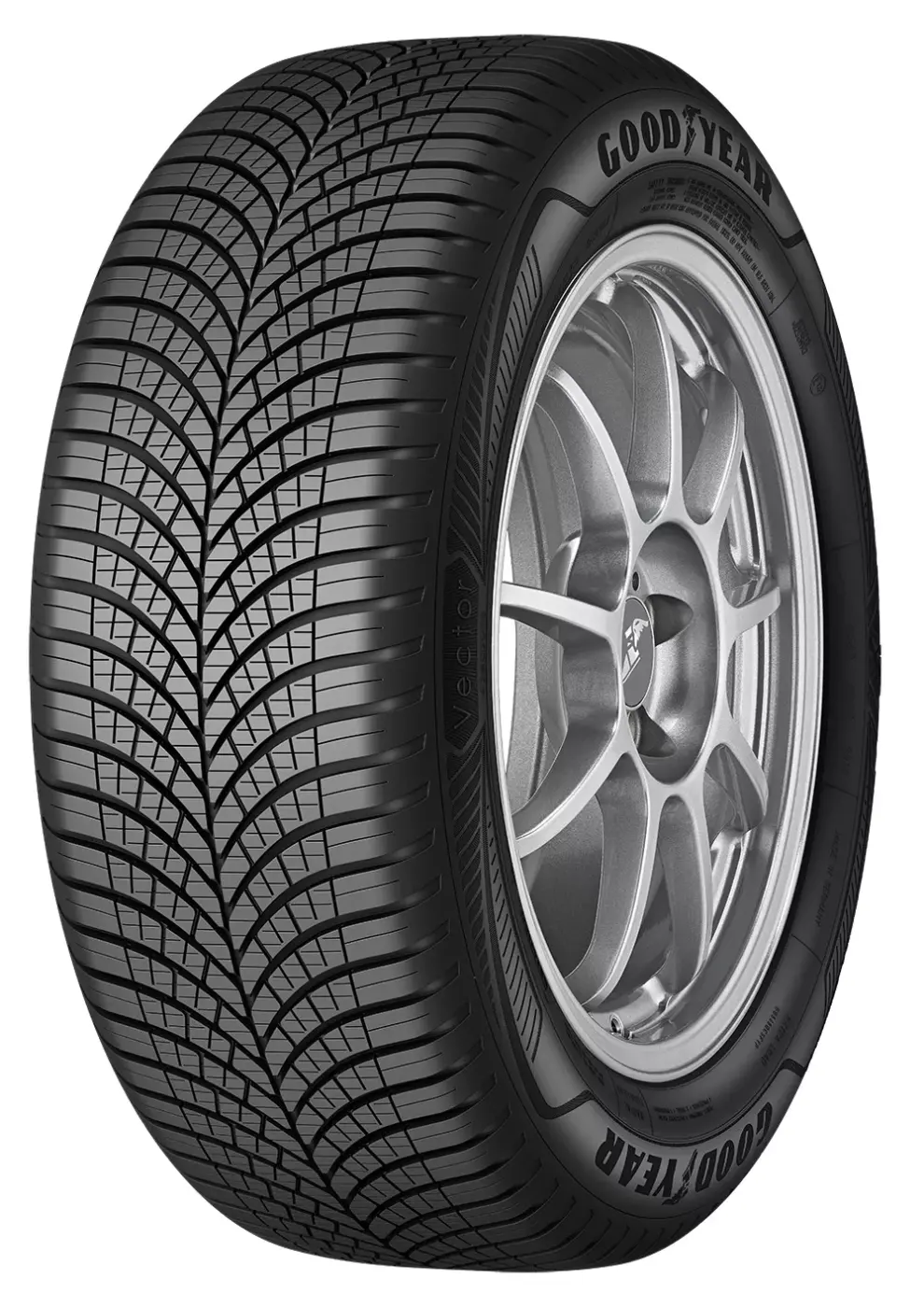
All-Season Tyres 205/55 R16
EU tyre label for the exact size: rolling resistance / wet grip / noise
-
 Automotive7.1top
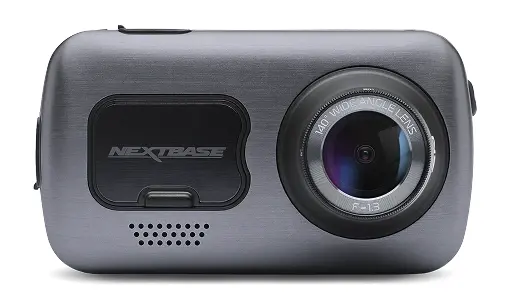
Dash Cams
Front image sensor and recording resolution/frame rate
-
 Automotive7.6top
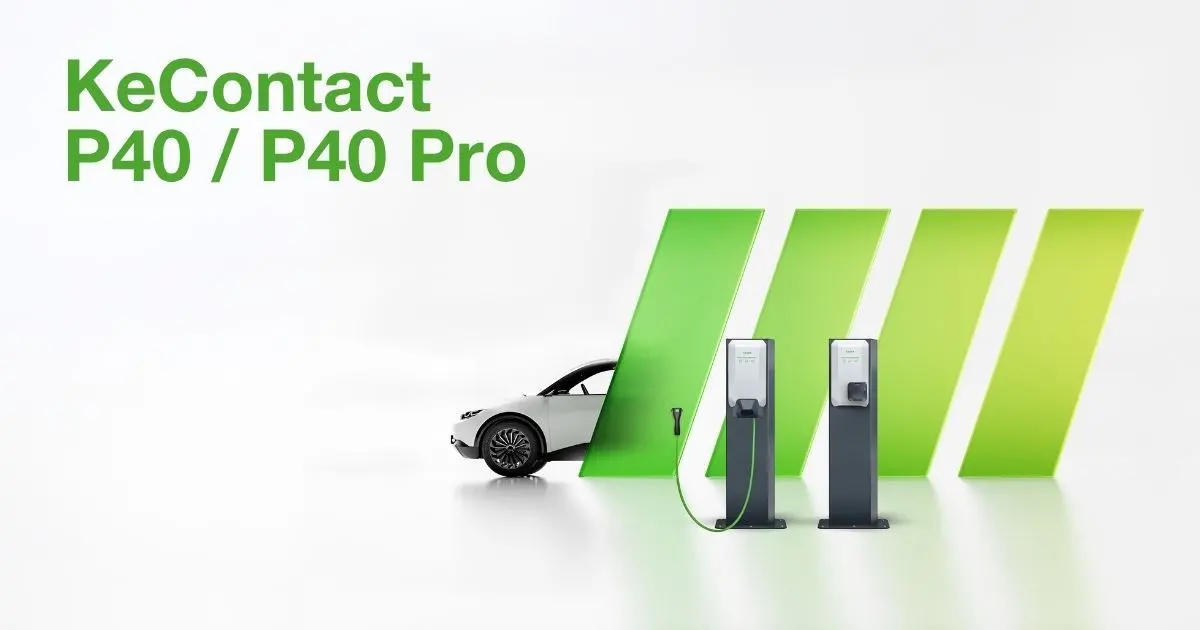
Home EV Chargers 11 kW
Integrated 6 mA DC fault detection and MID meter, as published