
7Rank 07 of 8 · Best Retinol Serums
The Ordinary The Ordinary Granactive Retinoid 2% Emulsion
Hydroxypinacolone retinoate, a retinoid ester outside the scope of the EU cap, at €13.30. But the meaning of the "2%" is genuinely contested, and that is a problem.
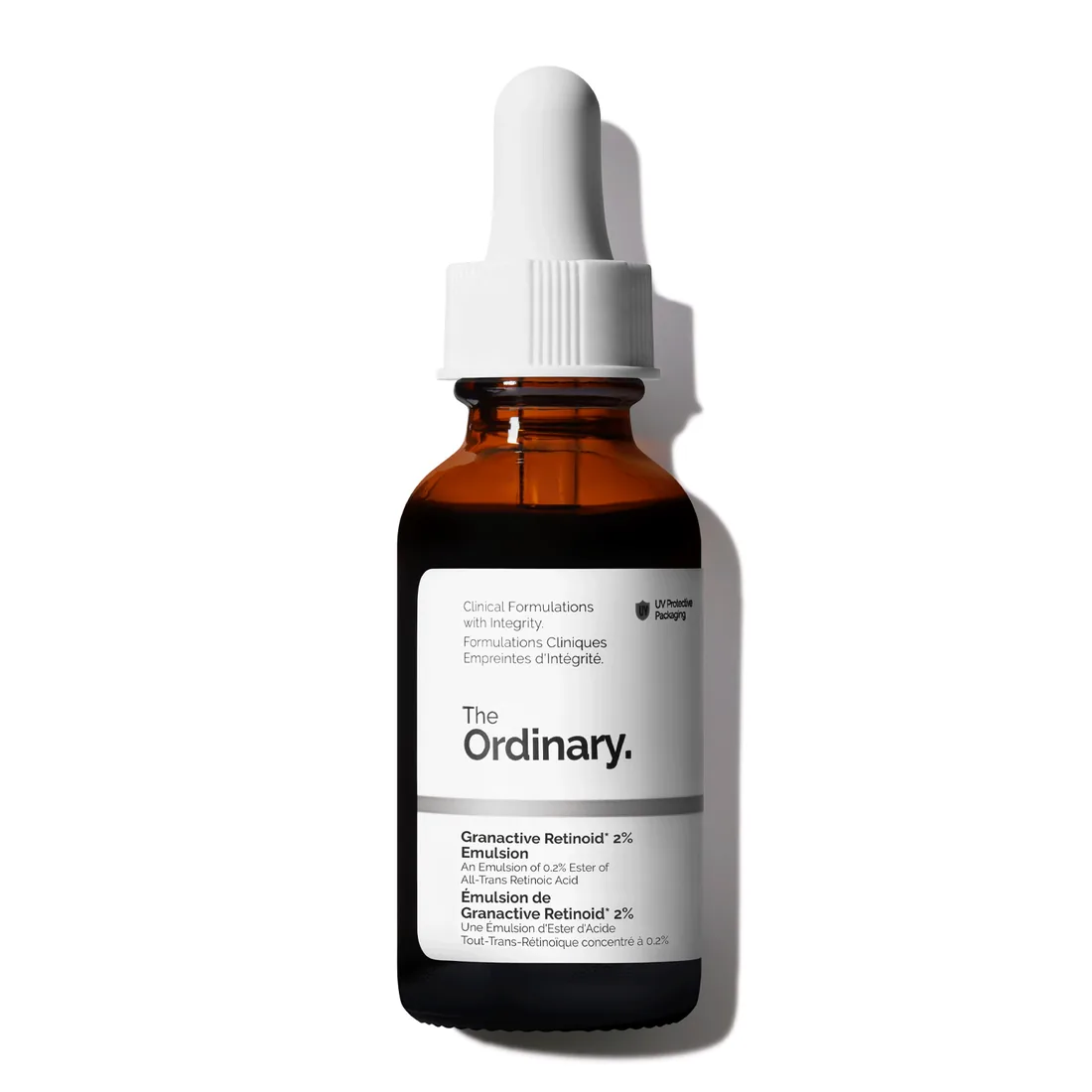 7.6BPR score
- €13Price
- Hydroxypinacolone retinoate — not covered by the EU capRetinoid form and stated concentration
- 7 of 8in Best Retinol Serums
- 7.6BPR score 0–10
Review
What this product is
Written after the analysis, from the same sources the score is built on: the manufacturer's documentation, available studies and verified owner feedback.
The cheapest way into a retinoid that the EU restriction does not touch — and the clearest example of why a percentage without context is close to meaningless.
The active is hydroxypinacolone retinoate (HPR), marketed as Granactive Retinoid. It is not retinol, retinyl acetate or retinyl palmitate, so it falls entirely outside Annex III entry 376 and is unaffected by the 0.3% cap and the May 2027 deadline. HPR is a retinoic acid ester, which in principle binds retinoid receptors more directly than retinol does.
The "2%" is where it gets difficult. The manufacturer's own ingredient glossary states the percentage refers to the active concentration. The widely held understanding in the skincare community is that it denotes 2% of a delivery complex containing roughly 10% HPR — meaning about 0.2% actual active. These two readings differ by a factor of ten, and we could not resolve which is correct. We are not going to pick the one that makes the product look better.
What can be said cleanly: HPR is well tolerated, it is genuinely exempt from the EU cap, and at €13.30 for 30 ml — €0.44 per ml — the cost of trying it is small.
What cannot be said is how it compares in strength to a 0.3% retinol or a 0.1% retinal, because the evidence base for HPR is thinner than for either. There is no published clinical trial for this product, and no independent European consumer test.
If you want a retinoid that is definitely exempt from the cap and definitely well evidenced, buy retinaldehyde instead. Retinal's mechanism is established — its biological activity is qualitatively identical to retinoic acid's, and it works via conversion to it — and the concentration on the label means what it says.
Technical data
Specification
Figures from the manufacturer's documentation, verified against available outside sources. Values we could not confirm are marked as declared.
- Retinoid form
- Hydroxypinacolone retinoate (HPR)
- Stated concentration
- 2% - meaning contested, see verdict
- Covered by EU 0.3% cap
- No
- Size
- 30 ml
- Price per ml
- approx. EUR 0.44
- Published clinical testing
- None
- Independent test result
- None found
Component scores
Where the score
comes from.
Four components, equal weight, each on a 0–10 scale and each resting on a named source. The overall score is their mean — the full procedure is in the methodology.
What we liked
- €13.30 for 30 ml — €0.44 per ml, the cheapest cap-exempt option here
- Hydroxypinacolone retinoate is outside the scope of the EU restriction
- A retinoic acid ester that binds retinoid receptors more directly than retinol
- Generally well tolerated with a low irritation reputation
- Emulsion base rather than an anhydrous oil
Worth knowing
- The meaning of "2%" is contested — brand glossary and community understanding differ tenfold
- Thinner evidence base than retinol or retinaldehyde
- No published clinical trial for this product
- No independent European test result found
- Cannot be meaningfully compared in strength to a retinol or retinal product
Comparison
How it compares
within the category
All values come from the same analysis and are comparable only within the category Best Retinol Serums.
| Product | Score | Retinoid form and stated concentration | Price |
|---|---|---|---|
| Geek & Gorgeous A-Game 10Top score | 8.8 | Retinaldehyde 0.1% — not covered by the EU cap | €19 |
| The Ordinary Granactive Retinoid 2% EmulsionThis product | 7.6 | Hydroxypinacolone retinoate — not covered by the EU cap | €13 |
| Category average8 products analysed | 7.9 | — | — |
FAQ
Frequently asked questions
Is 2% Granactive Retinoid stronger than 0.5% retinol?
Nobody can tell you honestly, and that is the problem with this product. The percentage may refer to the active itself or to a complex containing about 10% active — a tenfold difference — and the two readings come from the manufacturer's glossary and from the wider skincare community respectively. HPR also has a thinner evidence base than retinol or retinaldehyde. If you want a cap-exempt retinoid with a label figure you can rely on, buy retinaldehyde.
From the same ranking
Other products in Best Retinol Serums.
The same protocol, the same key parameter, the same set of sources.
-
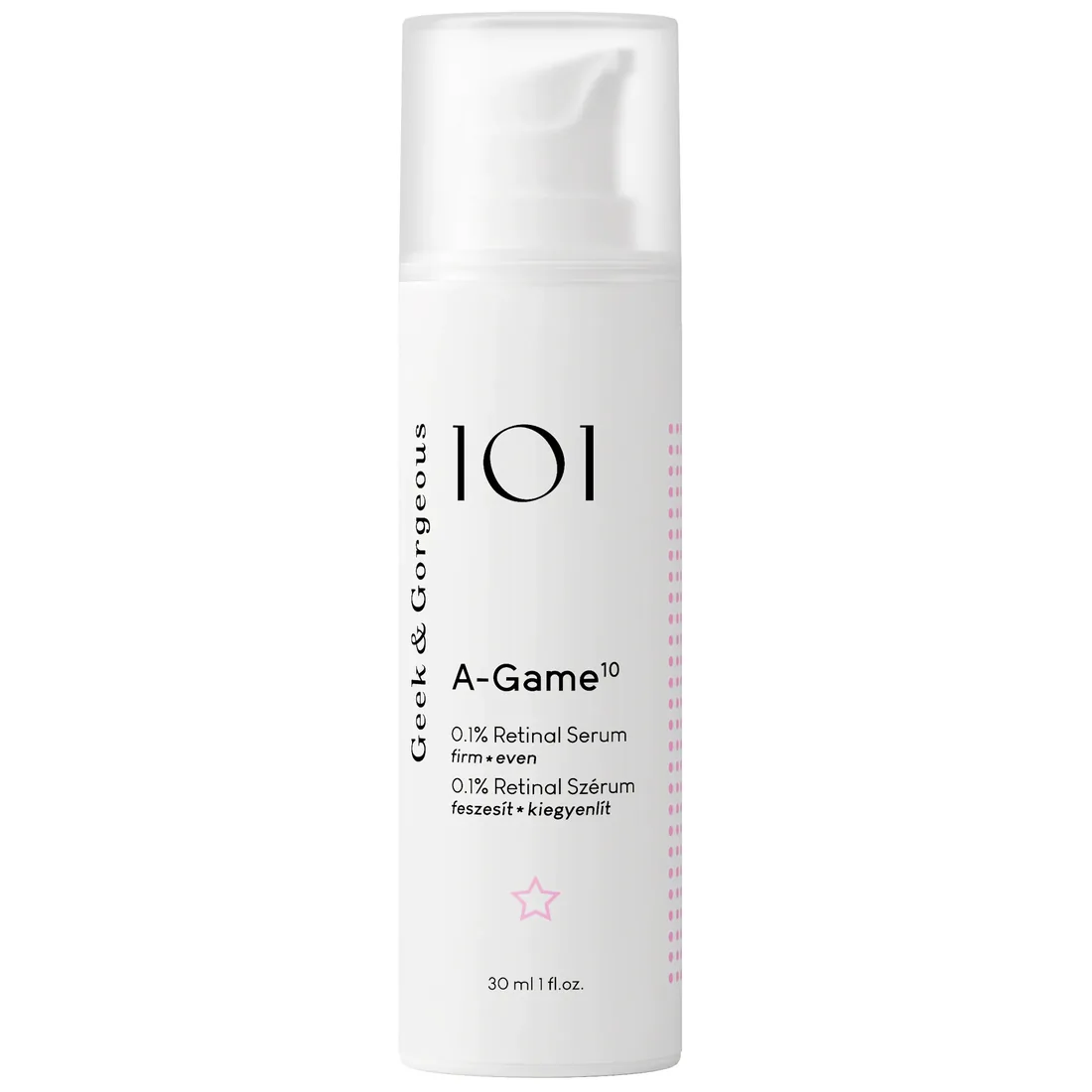 No. 018.8/ 10
Geek & Gorgeous A-Game 10
Cyclodextrin-encapsulated retinal at 0.1% for €18.80 — the same technology and a higher…
-
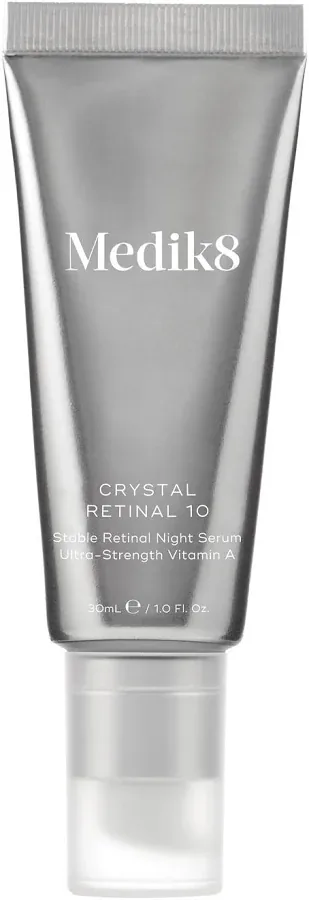 No. 028.3/ 10
Medik8 Crystal Retinal 6
Cyclodextrin-encapsulated retinaldehyde in a formula built for stability — antioxidants, a…
-
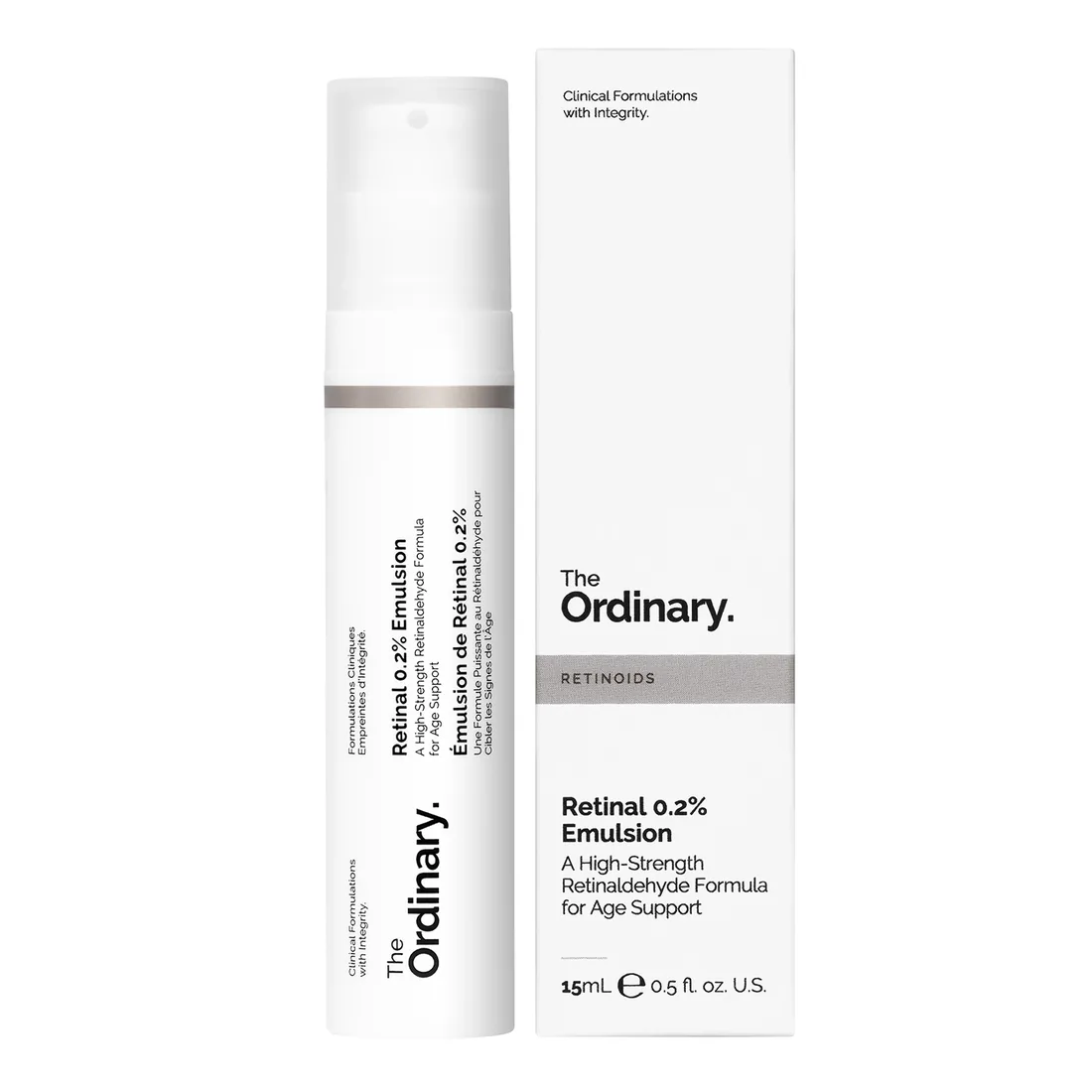 No. 038.2/ 10
The Ordinary Retinal 0.2% Emulsion
The strongest retinal here at 0.2%, in an airless pump — the right packaging for an…
-
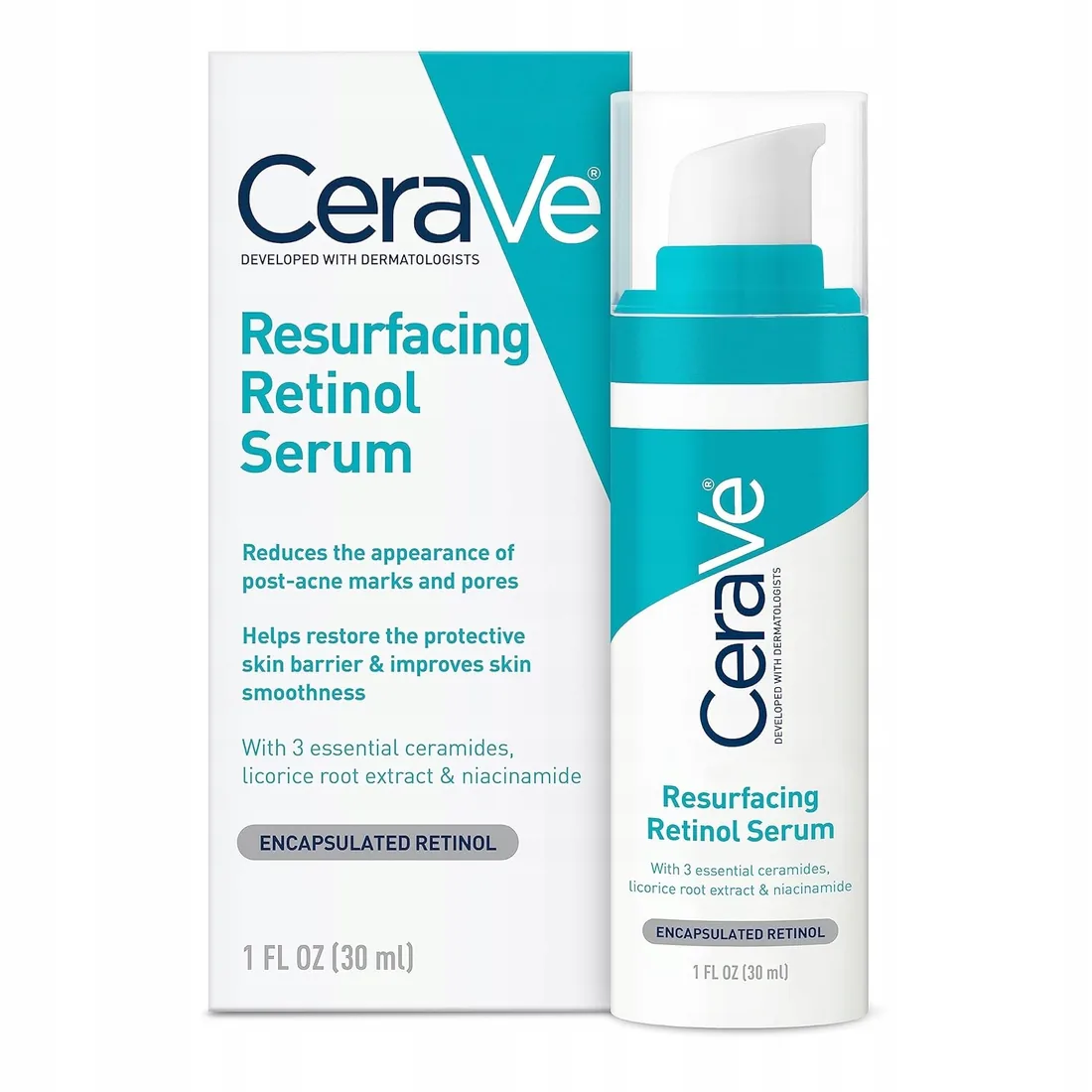 No. 047.8/ 10
CeraVe Resurfacing Retinol Serum
Encapsulated retinol with ceramides and niacinamide, formulated for blemish-prone skin. The…